
Toy Path for Logical Thinking: Toddler to Teen Roadmap
Logical thinking—the ability to analyze situations, identify patterns, make connections, and draw reasoned conclusions—is one of the most valuable cognitive…
Read MoreCategory
A skill path follows one ability — fine motor control, early reading, number sense, problem solving — from a child’s first clumsy attempt to the point where it becomes automatic. Each guide breaks that skill into the stages parents actually see at home, then suggests the kinds of toys that fit each stage and the signs that a child is ready for more.
There is no list of must-buy products here. The aim is narrower and more useful: help you work out where your child is right now, pick one or two materials that match, and recognise the moment to step back and let them consolidate. Children rarely move through these stages in a straight line, and a skill that looks stalled is often just waiting for a different kind of invitation.
If you are not sure where to start, the fine motor path and the problem-solving progression are the two most parents begin with.
41 articles
Logical thinking—the ability to analyze situations, identify patterns, make connections, and draw reasoned conclusions—is one of the most valuable cognitive…
Read More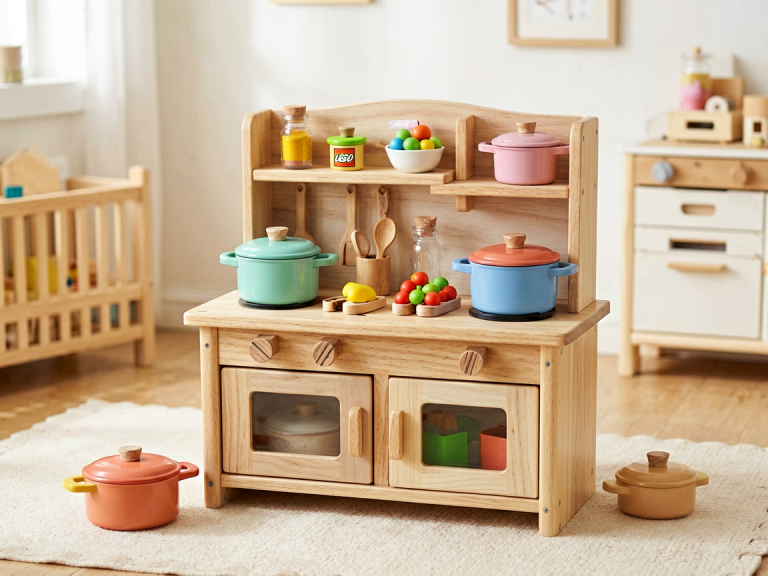
In a world increasingly defined by rapid technological change, information overload, and complex problem-solving, critical thinking has emerged as one of…
Read More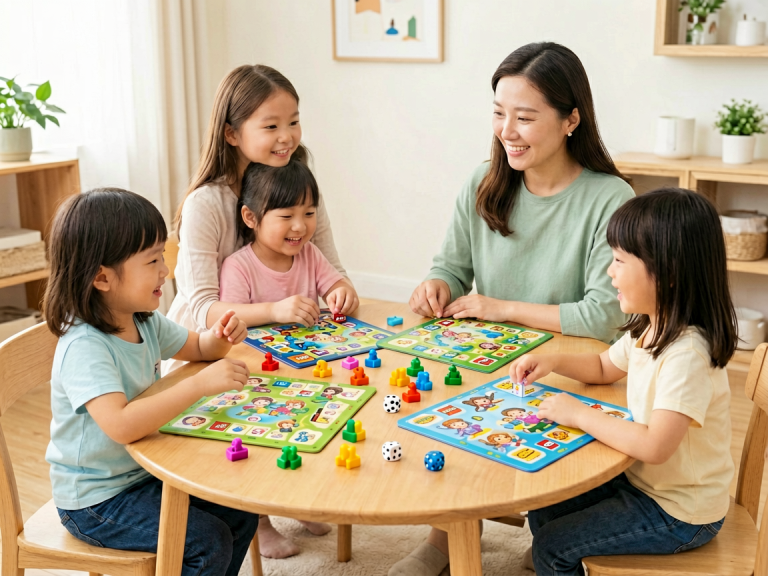
In an era defined by rapid technological disruption and information overload, the ability to think critically—to analyze, evaluate, and synthesize…
Read More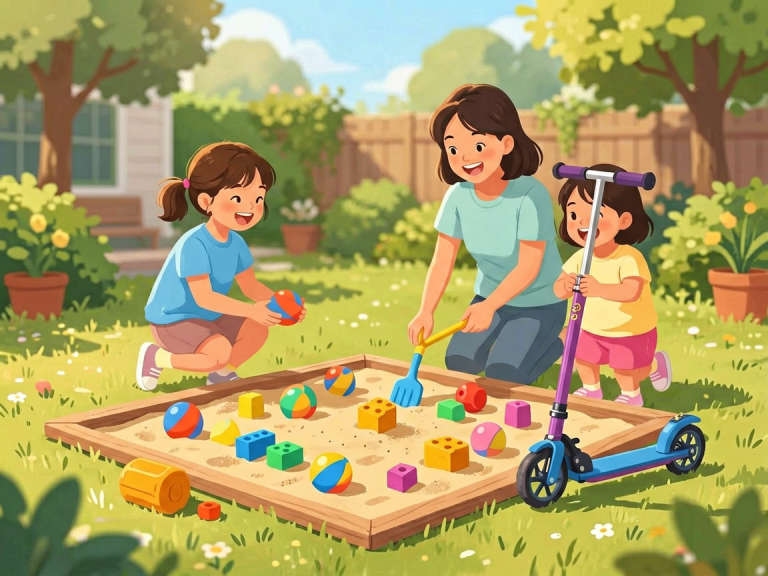
Critical thinking is often described as the ability to analyze facts, evaluate evidence, and form reasoned judgments.
Read More
In an era dominated by screens, algorithms, and instant gratification, the concept of “critical thinking” has never been more urgent—or more misunderstood.
Read More
In an age of digital saturation, where screens dominate children’s attention from infancy, the humble toy has never been more important—or more…
Read More
Quick answer: Move from a familiar action to a slightly more demanding version of that action. Age can help you find suitable products, but...
Read More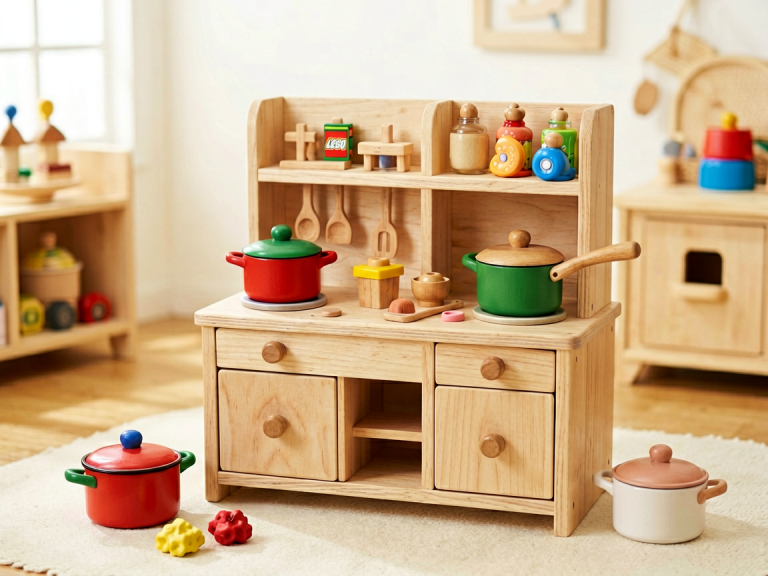
From the first grasp of a rattle to the intricate strokes of a paintbrush, fine motor skills form the invisible architecture of human independence.
Read More
From the moment a baby first grasps a parent’s finger to the triumphant moment a toddler buttons their own shirt, the journey of fine...
Read More
In an age dominated by flashing screens and passive entertainment, the humble toy remains one of the most powerful tools for childhood development.
Read More