The Budget-Smart Toy Plan: Spend Less and Play More
Toys are one of those spending categories that creeps: a small purchase here, a sale buy there, and by year end the playroom is crowded and the receipts are real. A budget-smart toy plan is not about deprivation. It is about spending deliberately on the few things that earn their space, and confidently skipping the rest.
Step One: Set an Annual Toy Number
Decide once, per year, what a reasonable toy budget is for your family, then divide it across occasions: birthdays, holidays, and one or two just-because windows. A written number turns every impulse decision into a simple question: does this fit the plan? If you already keep a gift-specific list, our birthday toy plan checklist slots straight into this step.
Step Two: Buy Fewer, Better
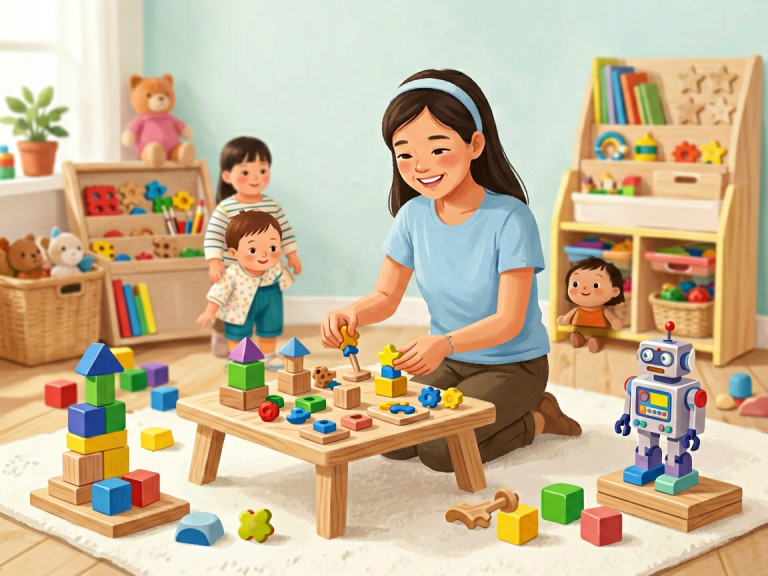
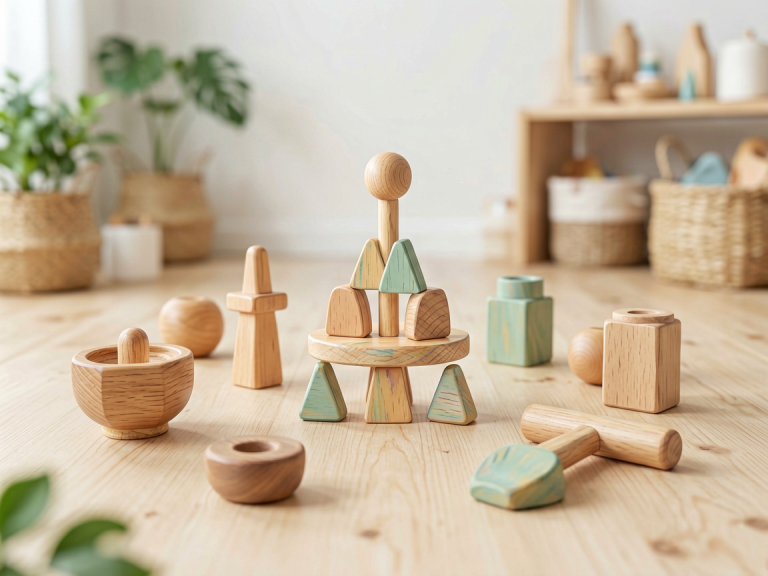
A useful rule of thumb: one open-ended toy beats three single-trick toys. Before any purchase, ask what the toy will be used for in six months, not just on opening day. Building sets, art supplies, and pretend-play props consistently age well; battery toys with one scripted trick age fastest. For a full framework on matching purchases to development, our STEM toy plan checklist walks through evaluating educational claims before you pay.
Step Three: Let Rotation Multiply Your Money
Toys you already own are the cheapest toys you will ever get. A simple rotation system, keeping a small set out and storing the rest, makes existing toys feel new every few weeks, which directly reduces the urge to buy. Many families find that a good rotation cuts impulse purchases more than any willpower does, because the “we need something new” feeling is usually just “the shelf has gone stale.”
What to Skip Without Guilt
Three spending traps are worth naming. First, the hype-cycle toy tied to a movie or trend: high price, short life. Second, the big plastic one-scene playset that dominates a room and gets ignored after a week. Third, duplicates of what a child already loves; a second kitchen rarely doubles the play. Skipping these is where the budget plan pays for itself.
Step Four: Review Once a Season
Four times a year, take ten minutes: what got played with, what is stored and forgotten, and what does the next season genuinely need? Pair the review with your rotation swaps and the whole system runs on autopilot. If you want the broader money side of planning, our toy budget plan guide covers longer-horizon questions like annual gifting totals and hand-me-down planning.
Spend less, play more is not a slogan; it is the natural result of buying deliberately, rotating what you own, and reviewing a few times a year.