The Toy Path by Age: A Parent Map From 2 to 6
Every parent ends up asking the same question at some point: what comes next? A toy that thrilled at two gathers dust at three; a puzzle mastered at four looks childish at five. The answer is not a single perfect toy but a path, one that follows how children actually grow. This page is the map, and each age has its own detailed guide linked below.
How a Toy Path Works
A toy path is simply a plan for matching toys to development as it happens. At every age, children are working on a handful of big jobs: moving with control, using language, thinking through problems, playing with others, and making sense of numbers and space. Good toys are tools for those jobs. When the tool matches the job, play stretches skills; when it does not, the toy gets ignored, no matter how much it cost.
Age Two: Cause, Effect, and First Words
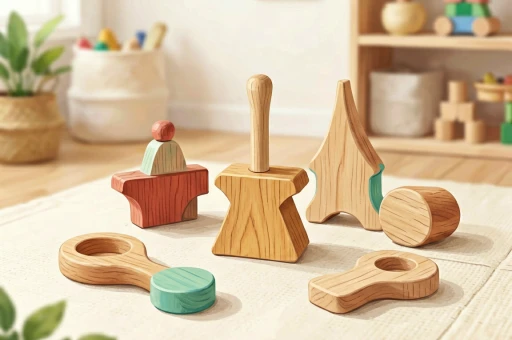
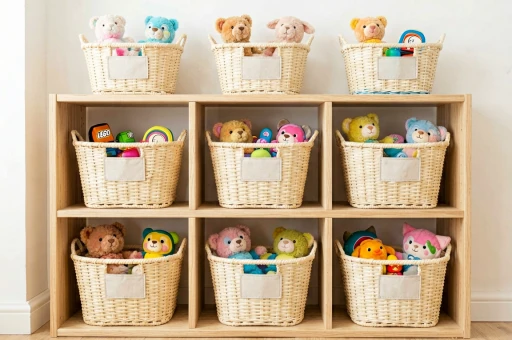
Two-year-olds learn by doing the same thing over and over: stacking, dumping, pushing, naming. The best toys are sturdy and open-ended, with results the child causes themselves. Our toy path for 2-year-olds breaks the year down stage by stage, and a simple weekly toy rotation plan for two-year-olds keeps the small set of toys fresh.
Age Three: Pretend Play Takes Off
At three, imagination becomes the main engine. Play kitchens, dress-up, and small figures turn into hours of story, and along the way children practice language, negotiation, and sequencing. The toy path for 3-year-olds explains how to choose by category rather than by character.
Age Four: Questions, Plans, and Bigger Builds
Four-year-olds start asking why constantly and building with a plan in mind. Construction sets, early board games, and problem-solving toys meet them exactly there. See the developmental toy path for 4-year-olds for the full breakdown.
Age Five: Projects and Mastery
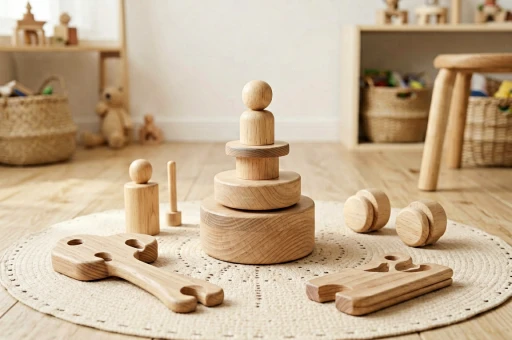
Five is the project year. Children can finish multi-step builds, follow simple science instructions, and play games with real rules. The toy path for 5-year-olds maps the shift from playing with things to working on them.
Age Six: Real Skills, Real Projects
By six, many children can read a little, plan ahead, and teach younger siblings. Toys that reward practice and mastery, from advanced building sets to strategy-lite games, fit best. The learning toy path for 6-year-olds covers the transition into school-age play.
The Three Habits That Make Any Path Work
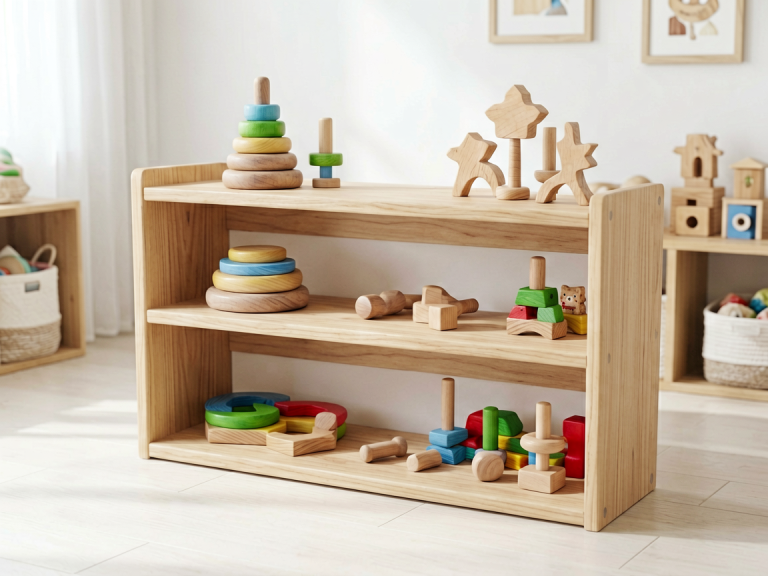
Whatever the age, three habits multiply the value of every toy on this map. First, rotate: a small set of toys out at a time keeps play deep and fresh. Second, watch before buying: the toys a child returns to tell you more than any list. Third, join in sometimes: a few minutes of genuine interest turns almost any toy into a language and connection exercise. Follow the path by age, keep those habits, and the playroom will take care of itself.