Navigating the Toy Path for 3-Year-Olds: A Developmental Guide to Playful Learning
Introduction: Why a Toy Path Matters
The third year of life is a remarkable period of cognitive, physical, and emotional transformation. A three-year-old is no longer a toddler but not yet a full-fledged preschooler; they inhabit a unique developmental landscape where curiosity explodes, language blossoms, and social awareness begins to take root. Choosing the right toys at this stage is not merely about keeping a child occupied—it is about laying the foundational stones for problem-solving, creativity, empathy, and motor coordination. The concept of a "toy path" refers to a carefully curated sequence of play materials that align with a child's evolving abilities, interests, and safety needs. Unlike a random assortment of toys, a toy path is intentional, progressive, and holistic. It respects the fact that a three-year-old's brain is forming synaptic connections at an astonishing rate, and every interaction with a toy can either nurture or neglect that growth. This article explores the essential components of an effective toy path for three-year-olds, offering practical guidance for parents, caregivers, and educators who wish to transform playtime into a rich developmental journey.
Understanding the 3-Year-Old Developmental Stage
Cognitive Milestones
At age three, children move from sensorimotor exploration to preoperational thinking, as described by Piaget. They begin to use symbols, engage in pretend play, and understand simple cause-and-effect relationships. Their attention span lengthens to about six to nine minutes for a self-chosen activity, though it remains easily distractible. Memory improves, allowing them to recall recent events and follow two-step instructions. Language explodes: vocabulary jumps from roughly 200 words at age two to over 1,000 words by age three, and they start forming three- to four-word sentences. They ask "why" constantly, demonstrating a thirst for understanding.
Physical Development
Gross motor skills become more refined: three-year-olds can walk up and down stairs with alternating feet, pedal a tricycle, catch a large ball, and jump forward with both feet. Fine motor skills advance as well: they can hold a crayon with a tripod grasp, draw circles and crosses, string large beads, use child-safe scissors with supervision, and turn pages of a book one at a time. These physical achievements mean that toys requiring coordination, balance, and manual dexterity are now appropriate.
Social-Emotional Growth
Peer play shifts from parallel play to associative play: children begin interacting with others, sharing toys temporarily (though possessiveness remains strong), and imitating each other's actions. They develop a sense of self-awareness and may show pride in accomplishments or frustration at failures. Empathy emerges in simple forms—they may offer a toy to a crying friend. They also begin to understand simple rules and can engage in structured games with adult guidance.
Key Principles for Choosing Toys Along the Path
Safety First
The toy path must be anchored in safety. For three-year-olds, avoid toys with small parts that pose a choking hazard (any part smaller than 1.25 inches in diameter or 2.25 inches in length). Ensure paints are non-toxic, edges are smooth, and batteries are securely enclosed. Consider the child's tendency to put things in their mouth—though this diminishes by age three, it is not entirely gone. Avoid toys with long cords that could cause strangulation. Check for age labels, but also use your judgment: some three-year-olds are more advanced or more cautious than others.
Open-Ended vs. Closed-Ended
A balanced toy path includes both open-ended toys (like blocks, playdough, and dress-up clothes) that encourage creativity and multiple uses, and closed-ended toys (like puzzles and shape sorters) that offer clear goals and a sense of accomplishment. Three-year-olds benefit from both: open-ended toys foster imagination and problem-solving, while closed-ended toys build perseverance and cognitive skills like categorization and sequencing.
Developmental Appropriateness
Avoid pushing a child beyond their current abilities. Toys that are too complex lead to frustration; toys that are too simple lead to boredom. The toy path should offer a "just-right" challenge—an activity that requires some effort but is achievable with persistence or minor adult assistance. For instance, a 12-piece jigsaw puzzle is appropriate for a three-year-old, but a 48-piece puzzle likely is not.
Encourage Multiple Modalities
Children learn through all their senses. The best toy path incorporates visual, auditory, tactile, and even proprioceptive input. Bright colors, varied textures, sounds that respond to actions, and materials that can be manipulated in different ways all support brain development. A toy that stimulates only one sense, like a flashing light, may hold attention briefly but offers limited educational value.
A Sample Toy Path by Category
1. Building and Construction Toys
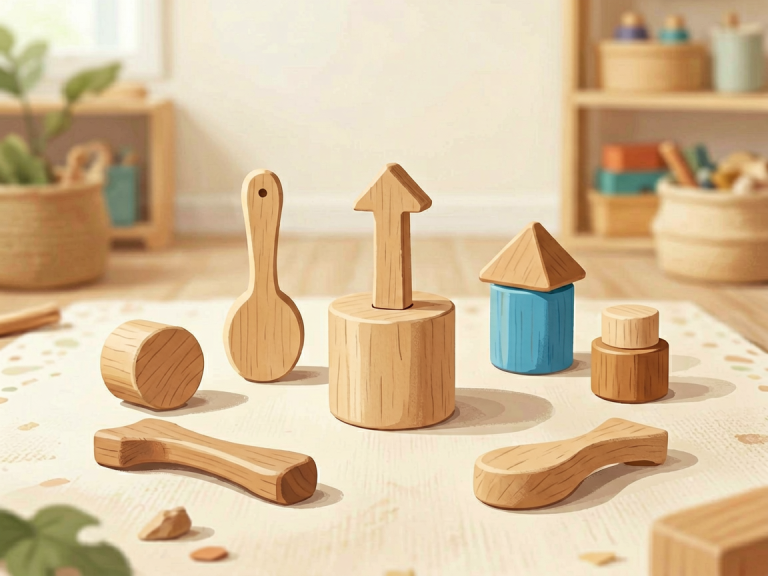
This category is the backbone of spatial reasoning and fine motor development. Start with large, soft blocks (foam or plastic) that are easy to stack. As the child gains confidence, introduce interlocking blocks like Duplo (not the smaller Lego, which is a choking hazard). Wooden unit blocks are also excellent because they offer varying sizes and shapes, allowing children to experiment with balance, symmetry, and weight. Encourage them to build towers, bridges, and enclosures for toy animals. At this age, they will enjoy knocking down their creations as much as building them—this is a natural part of exploring cause and effect.
2. Imaginative and Pretend Play
Dramatic play blossoms around age three. Provide a simple play kitchen with plastic food, pots, and utensils. Add dress-up clothes—hats, scarves, capes, and child-safe shoes. Dolls and stuffed animals become companions for nurturing play: a doll with a small blanket and bottle can spark elaborate scenarios (feeding, sleeping, going to the doctor). Toy tools, such as a plastic hammer and screwdriver, allow children to imitate adult activities. A toy phone encourages dialogue and role-playing. The key is to provide open-ended props rather than overly specific, battery-operated sets that dictate the play.
3. Puzzles and Cognitive Games
Puzzles support visual-spatial skills, hand-eye coordination, and patience. For three-year-olds, start with peg puzzles (pieces with knobs) and chunky wooden puzzles of familiar animals or vehicles. Progress to 4–12 piece jigsaw puzzles with large pieces. Memory card games with matching pairs (animals, shapes, colors) are excellent for concentration. Simple board games like "Candy Land" (with modified rules) or "First Orchard" teach turn-taking and following directions. Avoid games with complex rules or competitive pressure—cooperative games are ideal.
4. Art and Creative Materials
Three-year-olds love to make marks and explore textures. Offer chunky crayons, washable markers, and large paper (butcher paper on a floor easel works well). Playdough (homemade or store-bought) provides sensory joy and strengthens hand muscles; add plastic rolling pins, cookie cutters, and safe modeling tools. Finger painting is messy but invaluable for sensory integration and creativity. For a cleaner alternative, use a "no-mess" paint pouch that seals. Simple watercolor sets with one or two colors can be introduced with supervision.
5. Gross Motor Toys
Physical activity is crucial. A tricycle or balance bike (without pedals) develops leg strength and balance. A small slide, climbing structure, or mini trampoline (with safety net) offers vigorous movement. Balls of various sizes—soft, bouncy, textured—encourage throwing, kicking, and catching. An obstacle course using pillows, tunnels, and stepping stones promotes motor planning. At home, a simple "parachute" game with a bedsheet can be played with an adult.
6. Music and Sound Toys
Rhythm and melody stimulate auditory processing and emotional expression. Provide a set of hand percussion instruments: maracas, a tambourine, a small drum, and a xylophone. A simple music player with children's songs encourages dancing and singing. Homemade shakers (rice in a sealed bottle) are also effective. Avoid toys that produce only earsplitting electronic sounds; instead, prioritize instruments that the child controls.
7. Sensory and Calming Toys
Some three-year-olds benefit from toys that help them self-regulate. Fidget toys like squishy balls, textured rings, or pop tubes can be used during quiet time. A sensory bin filled with rice, sand, or water beads (with close supervision) provides tactile exploration. A weighted lap pad or a small, soft toy that vibrates gently can be calming for a child who is overstimulated. However, these should supplement other toys, not replace them.
Safety Considerations Along the Toy Path
Regular Inspection
Even well-chosen toys can become hazardous over time. Check for broken pieces, sharp edges, loose batteries, and frayed strings. Discard any toy that shows wear that could create small parts. Remember that three-year-olds are still developing impulse control—they may try to throw, bite, or dismantle toys.
Supervision and Environment
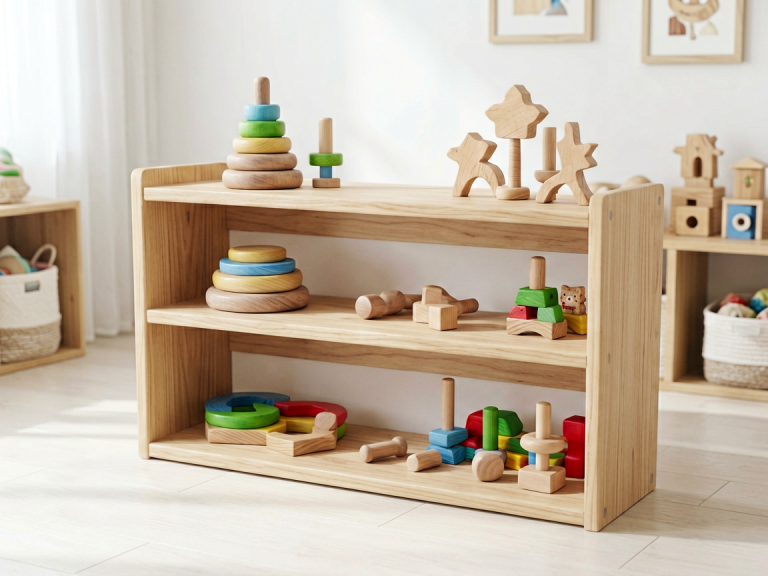
A toy path is most effective when the environment is set up for success. Store toys within the child's reach on low shelves, organized in clear bins (label with pictures if possible). Rotate toys every few weeks to maintain novelty and prevent overwhelm. Always supervise water, sand, and small-parts activities. Ensure that furniture is anchored to walls if the child climbs.
Avoiding Overstimulation
Electronic toys that flash, speak, and play music at the push of a button often do the learning *for* the child rather than encouraging active engagement. They can also overstimulate and reduce a child's attention span. The toy path should emphasize simple, quiet play that requires the child's own imagination and effort.
Conclusion: The Toy Path as a Journey, Not a Destination
Designing a toy path for a three-year-old is not about buying the latest viral product or filling a playroom with dozens of plastic gadgets. It is about observing the child, understanding their developmental needs, and selecting materials that invite exploration, persistence, and joy. The best toys are those that grow with the child: a set of blocks that first serve as stacking towers later become walls for a castle; a doll that is first dressed and undressed later becomes a friend for tea parties. The toy path is flexible, adaptable, and deeply personal. As the child approaches their fourth birthday, the path will shift again—adding more complex puzzles, early board games, and beginning art projects that require more control. But for now, the three-year-old is in a golden age of discovery, and the right toys can be the keys that unlock doors to a lifetime of learning. Remember: the most important element of any toy path is the loving presence of a caregiver who plays alongside, asks open-ended questions, and celebrates each small triumph.