The Ultimate Holiday Toy Plan Guide: How to Choose Wisely and Shop Smart
Introduction
The holiday season is a time of joy, togetherness, and, for many parents and gift-givers, the annual scramble to find the perfect toys. With endless options flooding store shelves and online marketplaces, a thoughtful holiday toy plan guide can transform the experience from stressful to delightful. Whether you are shopping for your own children, nieces and nephews, or friends’ little ones, having a clear strategy ensures that every gift brings genuine happiness, safety, and lasting value. This guide will walk you through the essential steps—from budgeting and age-appropriate selections to safety checks and shopping tactics—so you can navigate the frenzy with confidence and create a holiday memory that truly sparkles.
Assessing Your Budget and Gift List
Before you dive into toy catalogs or click “add to cart,” take a moment to set a realistic budget. The holiday season can tempt overspending, but a well-planned financial boundary keeps the focus on thoughtful giving rather than excess. Start by listing every child you plan to gift, along with your maximum spend for each. Consider pooling resources with family members for pricier items or agreeing on a price limit for group gifts. A clear budget also helps you resist impulse purchases triggered by flashy displays or limited-time discounts.
Next, prioritize the children on your list. A toddler’s interests differ vastly from a preteen’s, and a toy that delights one age group may frustrate another. Ask parents for wish lists or observe the child’s current play patterns. For example, a three-year-old who loves stacking blocks might enjoy a simple magnetic building set, while a ten-year-old obsessed with science could treasure a chemistry kit. By aligning your budget with the child’s genuine preferences, you avoid waste and ensure the toy becomes a cherished part of their playtime.
Age-Appropriate Toy Selection
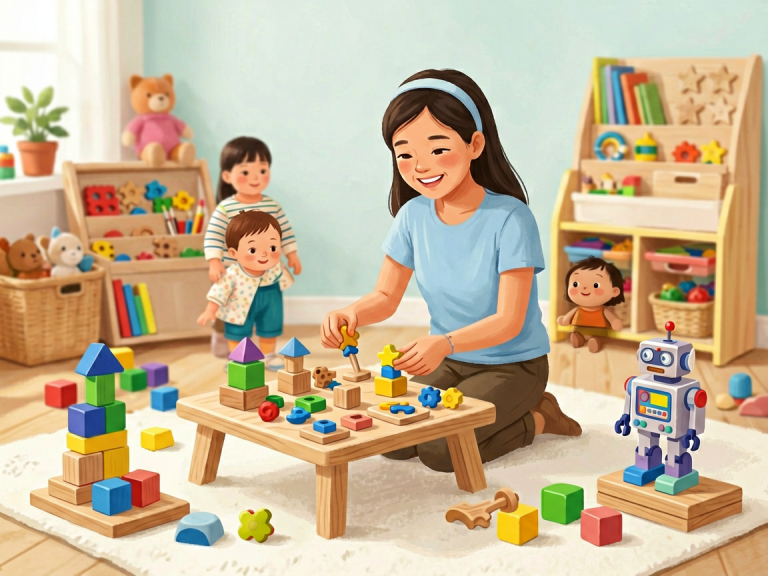
Choosing toys that match a child’s developmental stage is not just about safety—it’s about maximizing fun and learning. For infants (0–12 months), focus on items that stimulate the senses: soft rattles, crinkly fabric books, or high-contrast mobiles. At this stage, toys should be free of small parts and made from nontoxic materials. Toddlers (1–3 years) thrive on cause-and-effect toys like stacking cups, simple puzzles, and push-pull wagons. These build fine motor skills and spatial awareness.
Preschoolers (3–5 years) enter a world of imaginative play. Dress-up costumes, play kitchens, and building blocks encourage creativity and social interaction. Look for toys that support early literacy and numeracy, such as alphabet magnets or counting games. For school-age children (6–12 years), the landscape broadens to include strategy board games, science kits, construction sets, and art supplies. This group often has strong opinions, so involving them in the selection (within budget) can prevent disappointment. Teenagers (13+) may prefer hobby-specific gifts like coding tools, musical instruments, or collectible items—but always verify their current interests, as trends shift rapidly.
Safety First: What to Look For
No holiday toy plan guide is complete without a thorough safety checklist. The joy of unwrapping a gift can turn to anguish if the toy poses risks. Begin by checking for age warnings on packaging—these are not arbitrary; they reflect choking hazards, sharp edges, or electrical components unsuitable for young children. For children under three, avoid toys with small parts that can be swallowed or lodged in airways. Similarly, button batteries found in many electronic toys are extremely dangerous if ingested—always ensure battery compartments are secured with screws.
Materials matter. Look for certifications like ASTM (American Society for Testing and Materials) or CE marking in Europe, indicating the toy meets safety standards. Avoid cheap plastic items that may contain phthalates or lead. For soft toys, check that seams are sturdy and eyes or noses are securely attached. Electric toys should have proper insulation and no exposed wiring. Additionally, inspect for potential pinch points or rough edges. When shopping online, read reviews that mention safety concerns, and stick with reputable brands even if they cost a bit more. Remember, a safe toy is a gift that keeps on giving without worry.
Educational and Developmental Value
The best toys do more than entertain—they nurture growth. A well-chosen gift can spark curiosity, build problem-solving skills, and even foster emotional intelligence. For example, building sets like LEGO or magnetic tiles teach spatial reasoning and patience. Art supplies—crayons, modeling clay, or painting kits—encourage self-expression and fine motor development. Board games that require turn-taking and strategy enhance social skills and critical thinking.
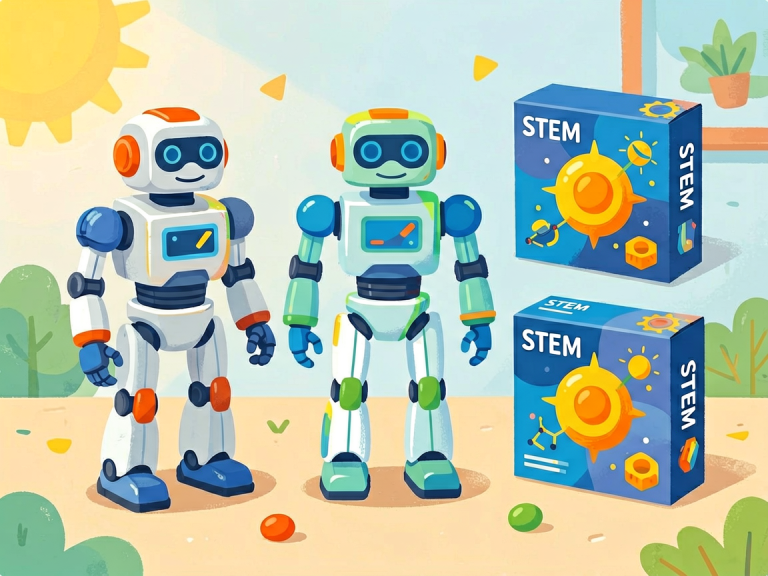
Consider STEM (science, technology, engineering, math) toys for children who show an interest in how things work. Coding robots, microscope kits, or simple circuit sets make learning hands-on and exciting. For children who love stories, interactive books with sound buttons or lift-the-flap features combine reading with discovery. Even traditional toys like dolls and action figures have value: they facilitate role-playing, which helps children process emotions and understand the world around them. When evaluating a toy’s educational potential, ask yourself: Does it encourage active engagement rather than passive consumption? Does it grow with the child, offering new challenges over time? If yes, you’ve found a winner.
Hot Trends and Timeless Classics
Every holiday season introduces a wave of trending toys—from viral TikTok sensations to movie tie-ins. While chasing the latest fad can feel thrilling, it’s wise to balance trendiness with durability. In recent years, collectible squishy toys, fidget gadgets, and themed playsets have dominated shelves. If a child has specifically asked for a trending item, try to purchase it early, as stock often sells out. However, consider whether the toy will hold interest beyond the holiday week. Many fads fade within months, leaving behind a pile of forgotten plastic.
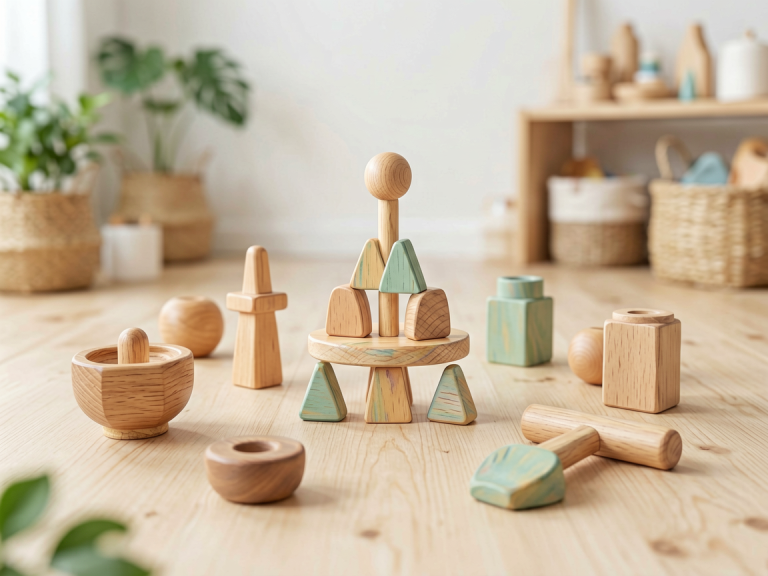
Timeless classics, on the other hand, have proven their appeal across generations. Wooden train sets, dollhouses, building blocks, and classic board games like Monopoly or Scrabble continue to delight. They often encourage open-ended play, allowing children to create their own narratives rather than following a predetermined script. By mixing one trendy item with one timeless classic, you give the child immediate excitement and long-term value. Also, don’t overlook subscription boxes—monthly deliveries of science experiments or art projects that extend the holiday spirit throughout the year.
Smart Shopping Strategies
Timing and tactics can save you money and stress. Start your holiday toy plan guide research early—ideally by November. Create a list of desired toys and monitor prices using apps or browser extensions. Major retailers often run Black Friday, Cyber Monday, and “doorbuster” deals, but beware of fake discounts. Compare prices across multiple sites, and look for price-matching policies. If you find a good deal, don’t hesitate—stock of popular items vanishes quickly.
Consider second-hand or refurbished options, especially for large items like play kitchens or ride-on cars. Many thrift stores or online marketplaces have toys in excellent condition at a fraction of the cost. Just ensure they meet current safety standards and are thoroughly cleaned. Another tip: buy for the future. If you spot a fantastic deal on a toy suitable for a child’s next age bracket, stash it away for a birthday or next holiday. This tactic works well for non-trendy items like high-quality building sets or classic books.
Shipping is another critical factor. Order well before the holiday cutoff dates to avoid delays. Read return policies in case the toy arrives damaged or isn’t what the child expected. For last-minute shopping, consider e-gift cards from toy stores or digital download codes for educational apps—these are instant and foolproof. Finally, don’t forget the wrapping: a beautifully wrapped gift adds anticipation, and reusable gift bags make the experience eco-friendly.
Wrapping Up with Joy
A successful holiday toy plan guide culminates in the moment of giving—when a child’s eyes light up and the gift becomes a catalyst for laughter and learning. Remember that the true spirit of the season lies not in the price tag or the number of packages under the tree, but in the thought and love invested in each choice. By planning ahead, prioritizing safety, matching toys to developmental needs, and shopping smartly, you ensure that every gift contributes to a joyful, memorable holiday. So take a deep breath, follow this guide, and enjoy the delight that comes from giving well. Happy holidays and happy playing!