The Thoughtful Toy Plan: A Guide to Intentional Play
Quick answer: A useful toy plan starts with what your child already uses, the space available and the safety needs of everyone in the home. There is no universal number of toys to own or fixed rotation schedule that every family must follow.
Make an inventory before buying
Use the table below for a short household review. It is a planning template, not a developmental assessment. Involve your child where appropriate, and do not discard a valued toy simply because it has not been used for an arbitrary number of weeks.
| Record | Question to ask | Possible action |
|---|---|---|
| Toy and pieces | Is anything broken, missing or recalled? | Remove from play while checking the remedy |
| Label and access | Is it suitable for this child, and can a younger sibling reach it? | Use secure separate storage where needed |
| Actual use | Does the child return to it or use it in different ways? | Keep accessible if safe and wanted |
| Space and cleanup | Can the family store and put it away? | Reduce what is out or change storage |
| New purchase | What need is not met by what we already own? | Borrow, wait or set a budget before buying |
Try rotation as an experiment, not a rule
If too many choices make the space hard to use, put some suitable toys away and see whether the arrangement works better. Keep favourites available. Rotate when interest or circumstances change; a prescribed two-week schedule is not necessary. Do not promise a particular improvement in attention, creativity or intelligence from owning fewer toys.
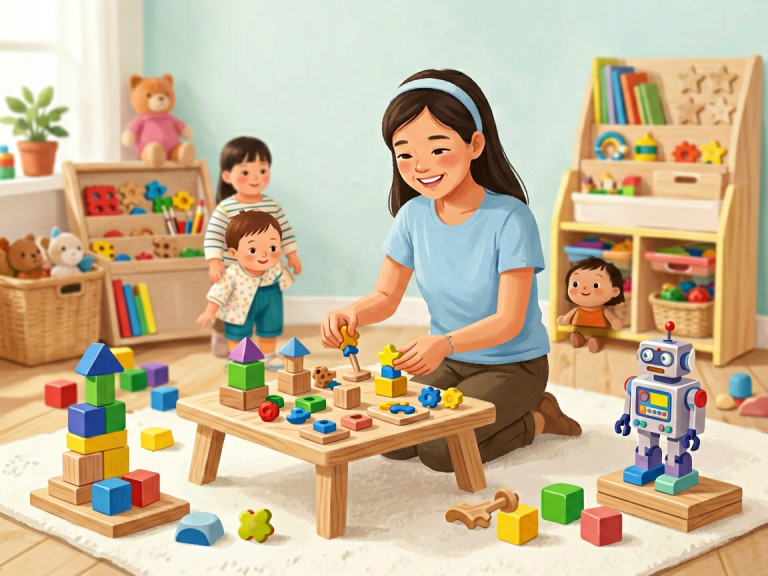
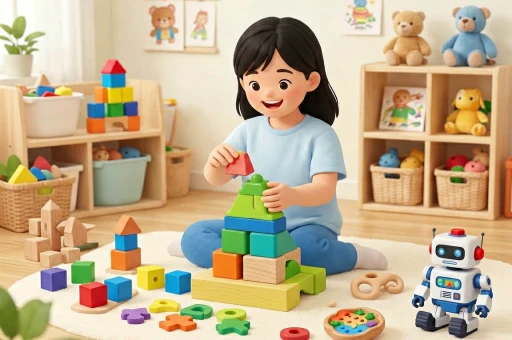
An example—not a required quota—is to leave out one building activity, one pretend-play activity and some books, then adjust based on the child’s interest and the household’s needs. The number of pieces in a set makes simple toy counts misleading.
Separate accessible play from secure storage
Low shelves can help a child reach toys that are appropriate for them. They are not a safe storage solution for an older sibling’s small parts. Put those materials where younger children cannot access them and use a separate play area when necessary. Labels and a “do not touch” instruction are not substitutes for preventing access.
Check the actual toy rather than assuming all toddler blocks, wooden toys or electronic toys have the same risks. For US small-parts requirements, see the specified test and detached-component procedure. Keep product instructions and warnings with stored sets.
Set a purchase and gift decision
- Identify an interest or practical need.
- Check whether a safe existing toy can meet it.
- Set the amount you are comfortable spending, including replacement pieces or ongoing fees.
- Check the exact model, age label, condition and seller information.
- Share a short wishlist with relatives, including books or experiences if those suit your family.
For a hand-skill goal, the fine motor selection guide can help narrow the category. For ways to vary a familiar activity, use the play progression guide.
Check second-hand toys before passing them on
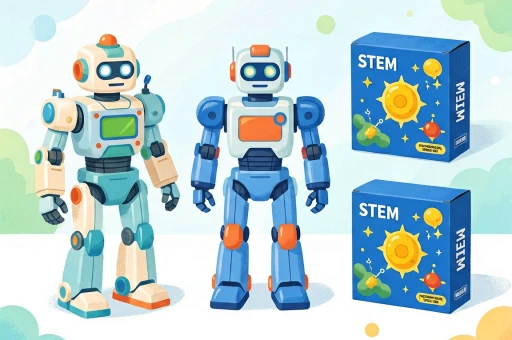
Look up the exact model in the relevant official recall database, inspect damage and missing parts, and find the original age warnings and cleaning instructions. A low price, familiar brand or “non-toxic” label is not enough. Do not sell or donate a recalled item; follow the recall remedy. If you cannot establish what the item is or whether required parts are present, do not offer it for play.
Review what actually changed
After trying the plan, record whether cleanup is manageable, whether the child can find wanted materials, and whether you bought less than you intended. These are household observations, not guaranteed savings or research results. There is no requirement to reduce your inventory by 40 percent or achieve a ten-minute cleanup. Keep the parts that help your family and change the parts that do not.
You can dig deeper with the toy plan from concept to creation.
You can dig deeper with learning toy planning mistakes.
You can dig deeper with toy plan pitfalls.
For a deeper dive, see the toy plan checklist.
For a deeper dive, see the curating play for growth.