Top Mistakes to Avoid When Planning Learning Toys for Your Child
As parents and educators, we all want to give children the best possible start in life. Learning toys—those designed to stimulate cognitive, social, emotional, and physical development—are a cornerstone of modern childhood education. However, a well-intentioned plan for selecting and using these toys can easily go awry. Without careful thought, the very tools meant to foster growth can lead to frustration, boredom, or even developmental setbacks. Understanding the common pitfalls in a learning toy plan is essential for maximizing the benefits while avoiding wasted money and missed opportunities. This article explores the most frequent mistakes and offers practical strategies to ensure your child’s playtime is truly educational and enjoyable.
1. Ignoring Age Appropriateness and Developmental Stages
One of the most pervasive mistakes is selecting toys that are either too advanced or too simple for a child’s current developmental stage. A toy labeled for ages 3–5 might contain small parts or require fine motor skills that a two-year-old simply hasn’t mastered yet. Conversely, giving a six-year-old a toy meant for toddlers will quickly lead to disinterest and under-stimulation. The result? The child either becomes frustrated and gives up, or the toy is abandoned within minutes.
How to avoid this: Always check the manufacturer’s age recommendations, but don’t rely solely on them. Observe your child’s actual abilities—can they stack blocks, hold a crayon, follow simple instructions? Choose toys that challenge just beyond their current skill level, a concept known as the “zone of proximal development.” For example, a puzzle with a few extra pieces than they are used to can build problem-solving skills without causing overwhelming frustration. Rotate toys as your child grows, and be willing to step down a level if needed.
2. Overemphasis on Electronic and Digital Toys
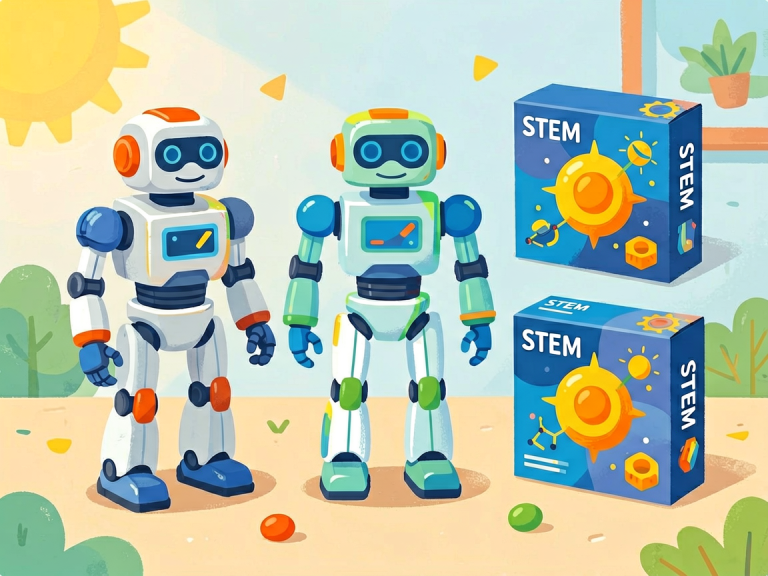
In today’s digital age, it’s tempting to fill a child’s playroom with tablets, interactive robots, and apps that promise to teach coding, math, or language. While some technology can be beneficial in moderation, an overreliance on electronic learning toys often backfires. Many digital toys are passive—the child simply watches or taps a screen—which does little to promote creativity, critical thinking, or sensory exploration. Worse, excessive screen time has been linked to attention issues and delayed language development.
How to avoid this: Aim for a balanced mix of digital and non-digital toys. Prioritize open-ended, hands-on materials like building blocks, clay, art supplies, and simple puzzles that require active manipulation and imagination. If you do use electronic toys, choose those that require physical interaction (e.g., a robot that needs to be programmed with real buttons) and limit daily screen time according to pediatric guidelines. Remember: the best learning happens through touch, movement, and human interaction, not pixels.
3. Overlooking Open-Ended Toys in Favor of “Structured” Activities
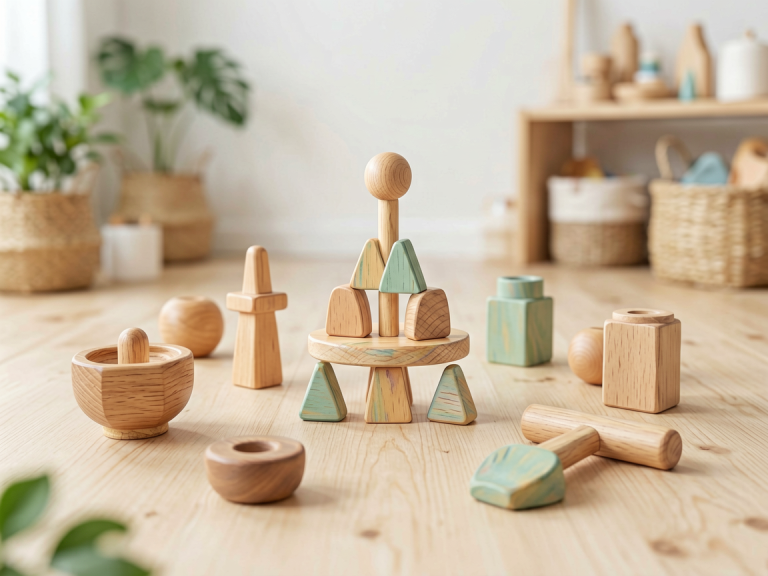
Many parents gravitate toward toys that have a clear, single purpose—like a shape-sorter that only works one way or a flashcard set for memorizing letters. While these have their place, an overabundance of closed-ended toys can stifle a child’s creativity and problem-solving abilities. Open-ended toys—such as wooden blocks, LEGO bricks, play dough, or a simple set of scarves for pretend play—allow children to invent their own uses, adapt the toy to their imagination, and explore multiple outcomes. These toys grow with the child and offer infinitely more learning opportunities.
How to avoid this: When planning your toy collection, ensure that at least 60–70% of the toys are open-ended. Observe how your child plays: if they always follow the same pattern with a toy, consider introducing materials that invite experimentation, like a box of mixed craft supplies or a set of magnetic tiles. Open-ended play fosters divergent thinking, resilience, and executive function skills that are critical for later success.
4. Buying Too Many Toys at Once or Overcrowding the Play Space
We’ve all been guilty of this: you find a great sale on learning toys, and suddenly the playroom is overflowing with options. Paradoxically, having too many toys can actually hinder learning. When a child is overwhelmed by choices, they often flit from one toy to another without deep engagement. They may never fully explore the potential of any single toy, missing out on the sustained concentration that leads to mastery. Research shows that fewer, carefully selected toys lead to longer, more focused play sessions.
How to avoid this: Adopt a toy rotation system. Store most toys out of sight and make only a curated selection available at any given time—say, 10 to 15 items. Every few weeks, swap them out. This keeps the toys fresh and exciting while encouraging deeper play. Resist the urge to buy every “educational” toy on the market; instead, invest in quality, versatile items that align with your child’s current interests and needs.
5. Neglecting Your Child’s Individual Interests and Learning Style
Another common mistake is imposing a learning toy plan that reflects the parent’s ambitions rather than the child’s natural curiosity. If your child is passionate about dinosaurs but you keep buying them math workbooks in an attempt to boost academic skills, you’ll likely meet resistance. Learning is most effective when it is intrinsically motivated. Forcing a child to engage with toys they find boring can create negative associations and lead to power struggles.
How to avoid this: Pay close attention to what fascinates your child. Do they love building? Provide construction sets, marble runs, and balance boards. Are they drawn to art? Stock up on finger paints, modeling clay, and collage materials. Use their passions as a gateway to other skills: for example, if they love cars, use toy vehicles to teach counting, colors, or even simple physics (ramps, friction). Follow their lead, and you’ll see more enthusiasm and deeper learning. Remember, a toy that aligns with a child’s interests is far more educational than a “perfect” toy that collects dust.
6. Underestimating the Importance of Social and Cooperative Play
Many learning toys are designed for solitary use—a puzzle, a single-player electronic game, or a workbook. While independent play has its benefits, children also need opportunities to learn through social interaction. Toys that encourage cooperation, turn-taking, negotiation, and empathy are crucial for emotional and social intelligence. If your toy plan lacks group games, building sets that require teamwork, or pretend-play props (like a kitchen or doctor’s kit that invites multiple children), your child may miss out on vital relational skills.
How to avoid this: Include a variety of cooperative and multiplayer toys in your rotation. Board games that require players to work together toward a common goal (e.g., “Hoot Owl Hoot!” or “Race to the Treasure”) teach patience and communication. Construction sets that are too large for one child to build alone naturally encourage collaboration. Also, consider toys that can be used for dramatic play with siblings or friends—dress-up clothes, puppets, or a simple tent. These experiences lay the foundation for successful peer relationships.
7. Focusing Solely on Academic Skills and Ignoring Physical Development
In an effort to boost cognitive abilities, parents sometimes overlook the importance of gross and fine motor skills. Learning toys that require sitting still—like tablets, flashcards, or board games—can lead to a sedentary lifestyle and underdeveloped motor coordination. Yet physical activity is directly linked to brain development; movement stimulates neural connections, improves concentration, and releases stress. A plan that neglects active, movement-based toys is incomplete.
How to avoid this: Balance cognitive toys with those that promote physical activity. Include climbing structures, balance bikes, jump ropes, balls, and obstacle course items. Fine motor toys like lacing beads, scissors, tongs, or play dough strengthen hand muscles needed for writing. Even simple activities like tossing a beanbag while reciting the alphabet combine movement with learning. Aim for at least 30–60 minutes of active play daily, and choose toys that get your child up and moving.
8. Ignoring Safety, Durability, and Material Quality
A learning toy that breaks easily or contains harmful chemicals is not only a waste of money but also a potential hazard. Many parents, in an eagerness to save money or buy trending items, purchase cheap plastic toys that may contain BPA, phthalates, or lead. Others overlook choking hazards or sharp edges. A broken toy can cause frustration, and unsafe materials can have long-term health consequences. Furthermore, poorly made toys often don’t function as intended, undermining the learning experience.
How to avoid this: Always check for safety certifications (e.g., ASTM, CE marks). Choose toys made from natural, non-toxic materials such as solid wood, organic cotton, or food-grade silicone. Avoid toys with detachable small parts for children under three. Inspect toys regularly for wear and tear, and discard any that are damaged. While it’s tempting to buy cheap, investing in a few durable, high-quality toys often saves money in the long run because they last through multiple children or years of use.
9. Forgetting Your Role as a Play Partner and Facilitator
Even the best learning toy cannot replace the value of a caring adult’s involvement. A mistake in many toy plans is leaving a child to play alone with the expectation that the toy will “teach” them everything. In reality, guided play—where a parent asks questions, models language, extends the activity, or gently challenges the child—dramatically enhances learning outcomes. Without that interaction, the toy’s potential is only partially realized.
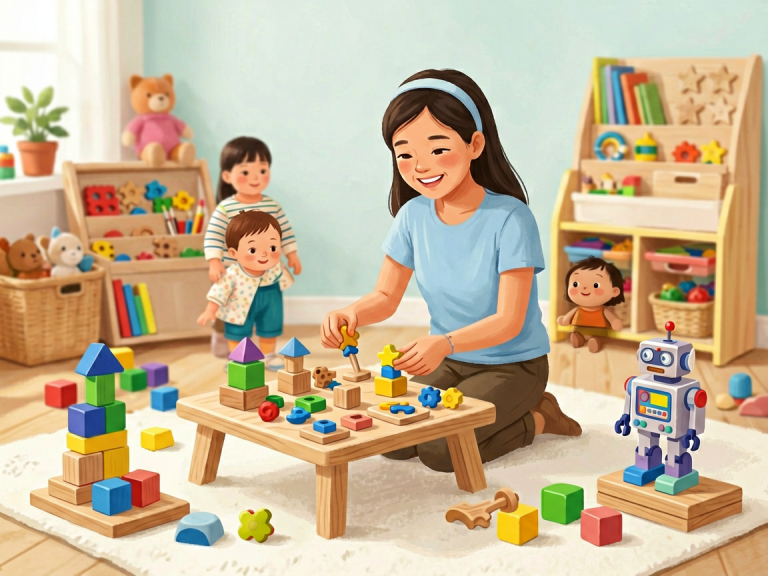
How to avoid this: Set aside time to play with your child, even if it’s just 10–15 minutes a day. When they play with a learning toy, engage by asking open-ended questions: “What happens if you put this block here?” or “How many ways can you sort these shapes?” Narrate their actions, introduce new vocabulary, and show enthusiasm. Your presence turns a passive experience into an interactive dialogue. Over time, this builds stronger bonds and deeper cognitive gains.
10. Failing to Adapt the Toy Plan as the Child Grows
Finally, one of the most overlooked mistakes is treating a learning toy plan as static. Children change rapidly—their interests, abilities, and attention spans evolve every few months. A toy that was perfect at age two may be utterly boring by age three. Parents often hold onto toys for sentimental reasons or because they were expensive, but forcing a child to play with outgrown toys can lead to regression or frustration.
How to avoid this: Regularly reassess your child’s development. Every three to six months, observe what they are naturally drawn to and what they have mastered. Donate or sell toys that are no longer challenging or interesting. Introduce new toys that target emerging skills—for instance, if your child has mastered simple puzzles, try a multi-step construction set or a strategy board game. Stay flexible and responsive to your child’s cues. The goal is not to amass a collection, but to curate a dynamic environment that grows alongside them.
Conclusion
Planning a learning toy environment is both an art and a science. While the market is flooded with options promising to make your child smarter, happier, and more creative, the real magic lies not in the toys themselves but in how they are selected and used. By avoiding these ten common mistakes—ignoring age appropriateness, leaning too heavily on electronics, neglecting open-ended play, overcrowding the play space, disregarding your child’s interests, underestimating social play, focusing only on academics, compromising on safety, failing to engage as a play partner, and refusing to adapt—you can create a rich, balanced, and joyful learning experience. Remember, the best learning toy is one that meets your child where they are and invites them to explore, imagine, and grow—with you by their side. Take a thoughtful approach, and you’ll not only avoid costly errors but also nurture a lifelong love of learning through play.