The Smart Parents Guide to a Toy Budget Plan: Balancing Fun and Finances
—
Introduction: Why Every Parent Needs a Toy Budget Plan
Walk into any toy store—or scroll through an online marketplace—and you’re immediately hit with a dazzling array of colorful boxes, blinking lights, and "educational" claims. The pressure to buy is real: your child’s pleading eyes, the birthday party invitations piling up, the holiday season’s relentless marketing. Without a plan, toy spending can quietly spiral out of control, turning a few innocent purchases into a significant drain on your family budget.
But a toy budget plan isn’t about being a scrooge or denying your child joy. It’s about intentionality. It’s a tool that helps you say “yes” to the toys that truly matter, while avoiding the clutter, guilt, and financial stress that come from impulse buys. In this guide, we’ll walk through a step-by-step approach to creating a toy budget that works for your family—one that keeps your kids happy, your home organized, and your finances healthy.
—
Step 1: Assess Your Current Toy Spending – The Wake-Up Call
Before you can build a budget, you need to know where your money is actually going. Take a month—or better, three months—to track every single toy-related expense. This includes not only new toys bought at retail, but also:
- Small impulse items at the grocery store checkout (those $2 figurines add up)
- Online purchases from Amazon, Etsy, or specialty stores
- Subscription boxes (like KiwiCo or Lovevery)
- Toys bought for gifts, party favors, or charity donations
- Accessories, batteries, replacement parts, and even storage bins
Many parents are shocked to discover they spend $100–$300 per month on toys, often without realizing it. Use a simple spreadsheet or a budgeting app to categorize expenses. At the end of the tracking period, ask yourself: *Did every purchase bring lasting value? How many toys are already gathering dust?* This honest assessment will give you the motivation to create a smarter plan.
—
Step 2: Set Realistic Monthly and Annual Limits – The Rule of Three
Now that you have a baseline, it’s time to set limits. But avoid extreme cuts—going from $200 to $0 overnight will only lead to resentment and slip-ups. Instead, use a “Rule of Three” to determine your baseline allocation:
- Fixed Essential Budget: A modest monthly amount (e.g., $20–$40) for small spontaneous purchases—like a new puzzle or a pack of crayons. This acknowledges that life with kids is unpredictable.
- Event Reserve: A separate pool for birthdays, holidays, and special occasions. Many parents set an annual cap per child (e.g., $200–$400) for all gift-giving events combined.
- Education/Quality Bonus: An extra allowance (e.g., $50–$100 per year) for high-ticket, long-lasting items such as a wooden train set, a microscope, or a high-quality art easel. These purchases should be planned well in advance and tied to a developmental milestone or a special achievement.
Write these limits down and share them with your partner (if applicable). Treat them like a contract—non-negotiable except in extraordinary circumstances. Over time, you can adjust the numbers based on your income, family size, and values.
—
Step 3: Prioritize Quality Over Quantity – The Mindful Toy Box
The single most powerful principle of a toy budget is this: one great toy is better than ten cheap ones. Cheap toys break quickly, lose their appeal after a week, and often end up in the landfill. Worse, they teach children that material acquisition is the path to happiness.
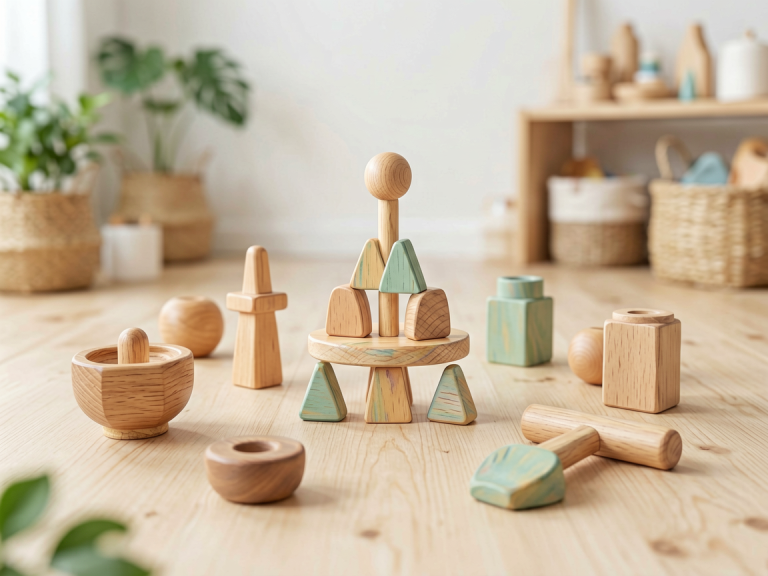
When you do spend, invest in open-ended toys that grow with your child: building blocks, magnetic tiles, art supplies, musical instruments, and dolls with interchangeable clothes. These toys encourage creativity, problem-solving, and years of reuse. Before making a purchase, ask:
- Will this toy be played with in six months? In two years?
- Does it require batteries or screens? (Generally, avoid them.)
- Can it be used in multiple ways (e.g., a cardboard box, a set of nesting cups)?
- Is it made from durable, safe materials?
Remember: a toy budget plan is not about spending *less*—it’s about spending *better*. Redirecting that $50 from four cheap plastic toys to one high-quality wooden train set actually saves money over time because you won’t need to replace it.
—
Step 4: Embrace Second-Hand and Hand-Me-Downs – The Hidden Treasure Hunt
One of the best-kept secrets of savvy parents is that used toys are often just as good as new—and sometimes better. A pre-owned wooden puzzle from a thrift store might have more charm and character than a factory-fresh plastic version. Here are practical ways to incorporate second-hand into your budget plan:
- Local Facebook Buy Nothing groups where families give away toys for free.
- Consignment sales and yard sales where you can find near-mint LEGO sets, board games, and dolls for pennies on the dollar.
- Thrift stores and charity shops—visit regularly, and learn which days they restock.
- Hand-me-down circuits among friends, cousins, and neighbors. Start a “toy library” where families swap outgrown toys every few months.
Set a rule: before buying anything new, check the second-hand market first. You’ll often find the exact same item for 50–80% less. The money saved can go into your event reserve or education bonus.
—
Step 5: Plan for Birthdays and Holidays – The Gift Calendar
Birthdays and winter holidays are the biggest budget busters. Without a plan, it’s easy to overspend in the festive frenzy. Create an annual “Gift Calendar” for each child:
- Birthday limit: Decide on a fixed dollar amount (e.g., $75) and stick to it. To make it feel special, pool the money into one “big” gift rather than many small ones.
- Holiday limit: Many families use a “four-gift rule” – something they want, something they need, something to wear, and something to read. This prevents excess while still allowing surprises.
- Wrap up the year by December: Use your event reserve only for these occasions. If you see a great deal in March, you can buy it early and save it in a “gift closet.” But be disciplined—don’t dip into the reserve for random Tuesday purchases.
Share your gift calendar with relatives. Grandparents and aunts often ask for ideas, and if you give them a specific toy (and a budget limit), you’ll avoid duplicate gifts and reduce the clutter. You can even suggest that they contribute to a single big-ticket item (like a bike or a play kitchen) instead of buying multiple small things.
—
Step 6: Involve Your Kids in the Process – The Teachable Moment
A toy budget plan isn’t just about money—it’s about raising financially literate children. When kids understand that resources are finite, they learn gratitude, patience, and decision-making. Here’s how to involve them age-appropriately:
- For preschoolers (ages 3–5): Use a visual chart with stickers. Each month, they can choose one “special toy” within a set price range. When the stickers run out, they learn that the family’s toy money is gone until next month.
- For elementary-age kids (6–10): Give them a small allowance partly designated for toys. Let them make the choice between a cheap item today or saving for a bigger one later. They’ll quickly discover that saving feels more rewarding.
- For tweens and teens (11+): Have open conversations about the family budget. Show them how much toys cost relative to other expenses (groceries, utilities). Encourage them to sell unused toys online or at a garage sale, using the proceeds for future purchases.
This process not only keeps your budget on track but also builds lifelong skills in delayed gratification and resource management.
—
Step 7: Track and Adjust Your Budget – The Flexible Framework
A budget is a living document, not a straightjacket. After three months of following your plan, review it. Ask:
- Am I consistently going over in any category? If yes, why? (Maybe your monthly “spontaneous” allowance is too low, or you need to avoid certain stores.)
- Are there seasons of the year (e.g., summer slump, back-to-school) where toy needs change? Adjust accordingly.
- Did I forget to account for toy subscriptions? Cancel unused ones.
Use a simple spreadsheet or a budgeting app (like YNAB or Mint) to track actual spending against your limits. If you find you’re consistently under budget, consider moving the surplus into savings or an education fund. If you’re over, cut back in the next month—or implement a “one in, one out” rule: when a new toy comes in, an old toy goes to donation.
—
Conclusion: The Long-Term Benefits of a Toy Budget Plan
A well-designed toy budget plan does more than save money. It reduces clutter, minimizes arguments with your child (“No, we can’t buy that today, but we can add it to your wish list”), and teaches the entire family that happiness doesn’t come from a shopping cart.
When you slow down and make intentional choices, you’ll find that your child’s play becomes richer, more creative, and more focused. They’ll learn to treasure the toys they have, and you’ll enjoy the peace of mind that comes from financial control.
So start today: grab a notebook or open a spreadsheet. Track last month’s spending, set your limits, and commit to one small change—like buying one less impulse toy per week. Over a year, that single change could save you hundreds of dollars, hours of cleanup time, and endless “I’m bored” complaints.
Your toy budget plan isn’t a restriction. It’s a gateway to more thoughtful, joyful, and sustainable play. And that’s the best gift you can give to both your child and your wallet.