The Learning Toy Pathway: A Developmental Guide for 3-Year-Olds
Introduction: Why a Toy “Pathway” Matters
At age three, children are no longer toddlers who simply mouth or shake objects. They have entered the “preschool explosion” — a period when language blossoms, imagination takes flight, and fine‑motor skills become refined enough for true manipulation. Yet the sheer variety of toys on the market can overwhelm parents and educators. A “learning toy pathway” is not a rigid curriculum but a thoughtful progression that matches a child’s current abilities while gently stretching them toward the next milestone. For three‑year‑olds, this pathway should support four key developmental domains: cognitive problem‑solving, language and communication, fine‑motor dexterity, and social‑emotional growth. The toys themselves become tools that turn play into purposeful learning, without ever sacrificing the joy that makes childhood magical.
1. The Foundation: Sensory & Cause‑Effect Toys That Still Captivate
Even though three‑year‑olds are more advanced than infants, they still crave sensory feedback. Toys that combine sight, sound, and touch lay the groundwork for later abstract thinking. Consider simple musical instruments (a xylophone, shakers, or a toddler‑safe drum). When a child strikes a key and hears a note, they are learning cause and effect — a fundamental cognitive principle. Similarly, light‑up toys that respond to pressing a button reinforce the same idea, but at this age the child can also begin to name the color of the light or the shape of the button. “Sensory bins” filled with rice, sand, or water, paired with scoops and small containers, invite open‑ended exploration. The key is to choose items that require a deliberate action (e.g., turning a crank to make a toy pop up) rather than passive stimulation. This stage of the pathway ensures that the child’s brain is wired to connect action with outcome.
2. Building Blocks of Logic: Puzzles, Matching Games, and Simple Construction Sets
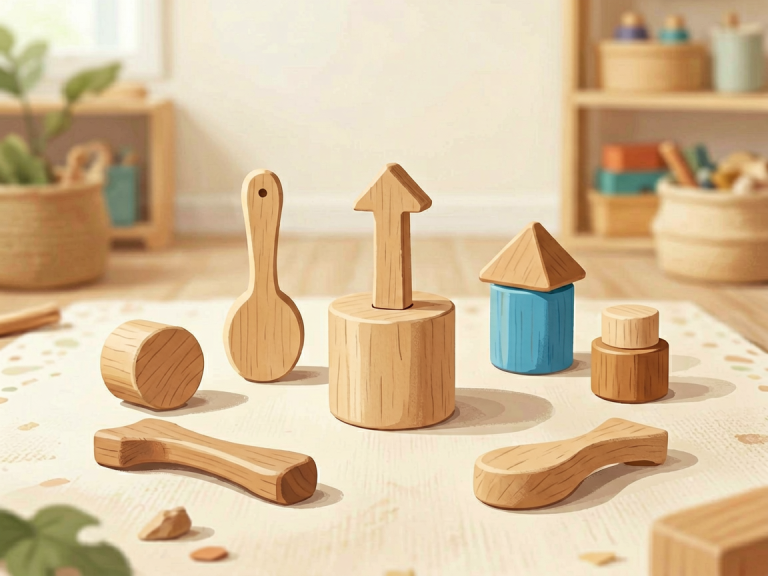
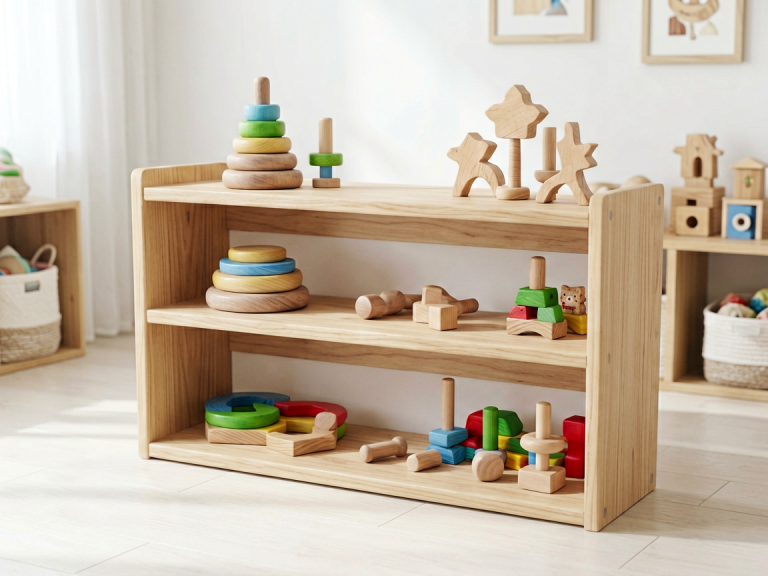
Between ages three and four, children develop the ability to recognize patterns, sort objects by one attribute (color or size), and complete simple jigsaw puzzles of four to twelve pieces. A classic wooden puzzle with knobs allows the child to practice hand‑eye coordination while learning about shapes and animals. Matching games — where the child turns over cards to find pairs — encourage memory and concentration. Construction sets like Duplo or large wooden blocks take this further: the child must plan where to place a block so the tower does not topple. These toys are not just about “playing”; they teach spatial awareness, trial‑and‑error reasoning, and persistence. A three‑year‑old who tries several times to fit a triangle piece into a square hole and finally succeeds is experiencing the joy of problem‑solving — a skill that will serve them for life.
3. Language Launchpads: Storytelling Toys, Pretend Play, and Conversation Starters
Language development at age three is explosive. The average child knows about 1,000 words and is starting to form short sentences. Toys that encourage verbal interaction are essential. Puppets, for example, allow a child to speak “through” the puppet, which can reduce shyness and boost vocabulary. A simple doctor’s kit, kitchen set, or tool bench invites role‑playing. When a child pretends to “cook” a meal and “serve” it to a stuffed animal, they are narrating actions: “Here is your soup, it’s hot!” That narration strengthens grammar and narrative skills. Picture books with flaps, textures, or sound buttons are also powerful, but at three, the child can now tell the story back to you. Use open‑ended questions: “What do you think happens next?” instead of “Is that a cow?” This transforms a passive toy into an active language laboratory. Additionally, alphabet puzzles or magnetic letters can introduce letter recognition — not through drilling, but through playful discovery.
4. Fine‑Motor Refinement: Art Supplies, Lacing Beads, and Manipulatives
Three‑year‑olds are gaining control over their small hand muscles, but they still need practice to strengthen the pincer grip that will one day hold a pencil. Art supplies are perfect for this: thick crayons, washable markers, and finger paints encourage scribbling and later guided drawing. Lacing cards with large holes and a plastic needle teach hand‑eye coordination and bilateral coordination (using both hands together). “Busy boards” with latches, zippers, buttons, and switches are commercial versions of the fine‑motor challenge, but simple homemade versions (a cardboard box with different fasteners) work just as well. Playdough, when rolled into snakes or pressed with cookie cutters, builds hand strength. These activities are not merely “busy work”; they directly support the brain’s development of neural pathways for writing and self‑care tasks like buttoning a coat. A child who can thread a bead onto a string is also learning sequencing and patience.
5. Gross Motor and Balance: Active Toys That Build Confidence
While the focus of a “learning toy path” is often on cognitive skills, a three‑year‑old’s body is developing rapidly too. Toys that encourage running, jumping, climbing, and balancing are just as educational as any puzzle. A small tricycle or balance bike teaches coordination and spatial judgment. A set of plastic stepping stones (or even pillows on the floor) challenges the child to plan foot placement. Beanbags for tossing into a bucket develop aim and hand‑eye coordination in a whole‑body context. Many parents underestimate how much outdoor or active play contributes to learning. Physical activity increases blood flow to the brain, improves mood, and helps regulate emotions. Moreover, social games like “Follow the Leader” or simple obstacle courses introduce the concept of rules and turn‑taking — critical social‑emotional skills. A toy pathway that neglects gross motor development is incomplete.
6. Social‑Emotional Tools: Cooperative Games and Emotion‑Themed Toys
Three‑year‑olds are egocentric by nature, but they are beginning to understand that others have feelings too. Toys that model emotions can accelerate this empathy. A set of “emotion cards” with faces showing happy, sad, angry, or scared allows the child to point to how they feel — a powerful alternative to a tantrum. Stuffed animals or dolls with expressionless faces (so the child can project emotions) are also valuable. Cooperative board games, where all players work together to reach a goal (rather than competing), teach that play is about collaboration, not winning. Simple card games like “Memory” can be played with a single rule: take turns. Even a classic toy telephone can be used to practice greetings and polite conversation. The pathway here aims to equip the child with the vocabulary and experience to navigate relationships — arguably the most important “skill” for kindergarten readiness.
7. Choosing the Right Path for Your Child: Quality Over Quantity
The learning toy pathway for three‑year‑olds is not a shopping list but a philosophy. It is better to have ten well‑chosen toys that serve multiple purposes than a hundred plastic gadgets that collect dust. Rotating toys every few weeks keeps interest high. Observe your child: if they are frustrated by a puzzle, step back to an easier one; if they master it quickly, introduce a slightly harder version. The path should be child‑led, with adults as observers and gentle guides. Avoid toys that promise to “teach reading” or “make your child a genius” — learning at three happens through hands‑on, sensory‑rich, emotionally safe play. The best toy is one that sparks a question: “What if I put this block here?” or “Why does the car go faster on a ramp?” That curiosity is the engine of lifelong learning.
Conclusion: A Journey, Not a Destination
The three‑year‑old year is a bridge between toddlerhood and the structured learning of preschool. The right toy pathway honors that transition by offering challenges that are just hard enough to be interesting, but not so hard that they cause despair. From a simple rattle to a complex board game, from finger paint to a balance bike, each toy on this path whispers a lesson: you can think, you can create, you can connect, you can grow. As you build your child’s toy collection, remember that the true learning happens not in the toy itself, but in the interaction — with the object, with other children, with you. The pathway is simply the map; the journey is the joy.