Building a Mindful Learning Toy Plan for Parents: From Chaos to Curated Curiosity
Introduction
In the modern household, toys are abundant. Yet many parents find themselves drowning in plastic clutter while their children lose interest within days, distracted by screens or overwhelmed by choices. The problem is not a lack of toys—it is a lack of strategy. A learning toy plan is not about buying more; it is about selecting, rotating, and engaging with toys in a way that nurtures cognitive development, fine motor skills, creativity, and emotional resilience. This article outlines a step-by-step framework for parents who want to transform toy time into intentional learning time, without sacrificing fun or breaking the bank.
—
Why a Learning Toy Plan Matters
The Pitfall of Random Accumulation
When toys are purchased impulsively—triggered by a sale, a cartoon character, or a child’s temporary whim—the result is often overstimulation. Studies in early childhood development show that too many choices can lead to shorter attention spans and reduced depth of play. A planned approach, by contrast, curates a limited set of high-quality toys that align with a child’s current developmental stage and emerging interests.
The Role of Play in Cognitive Growth
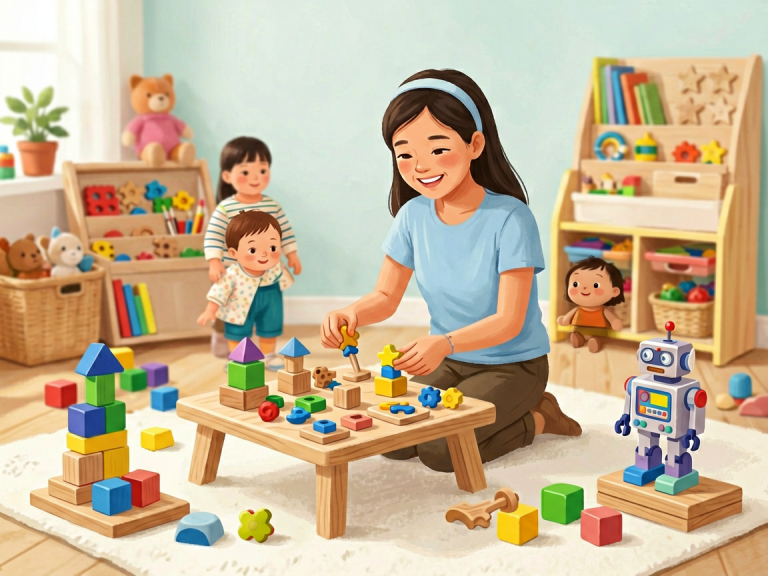
Play is the primary vehicle for learning in early years. Through play, children practice problem-solving, language, social negotiation, and spatial reasoning. A well-designed learning toy plan ensures that each toy serves a dual purpose: entertainment and skill-building. For example, a set of wooden blocks is not just for stacking; it teaches balance, symmetry, counting, and cooperation when used with siblings.
Emotional and Behavioral Benefits
When parents deliberately rotate toys every few weeks, children experience novelty without excess. This “toy rotation” method, popularized by Montessori and Reggio Emilia approaches, reduces boredom, minimizes power struggles over cleanup, and fosters deeper focus. A learning toy plan also gives parents a calm, confident role as facilitators rather than passive purchasers.
—
Core Principles of an Effective Learning Toy Plan
1. Age-Appropriate Selection
Toys must match the child’s developmental window. A toy that is too advanced frustrates; one that is too simple bores. For infants (0–12 months), sensory toys like textured balls, rattles, and black-and-white contrast cards support visual tracking and grasping. Toddlers (1–3 years) benefit from cause-and-effect toys (shape sorters, stacking cups), push-and-pull toys, and simple puzzles. Preschoolers (3–5 years) thrive with open-ended materials like magnetic tiles, playdough kits, and counting bears that introduce early math and storytelling. School-age children (5–8 years) need strategy games, science kits, and building sets that challenge logic and patience.
2. Open-Ended Over Single-Purpose
The best learning toys have no single “correct” use. A set of rainbow-colored wooden rings can be stacked, counted, rolled, sorted by color, or used as pretend currency. Open-ended toys encourage divergent thinking—the ability to generate multiple solutions to a problem. In contrast, electronic toys with a single button and a fixed outcome often limit creativity. When planning, prioritize materials like Lego bricks, Magna-Tiles, unit blocks, art supplies, and sensory bins.
3. Rotate, Don’t Abandon
Children lose interest not because they are spoiled, but because their brains crave novelty. A rotation system works like this: divide all toys into 4–5 groups. Store 3–4 groups out of sight. Keep one group accessible for 2–3 weeks, then swap. This “less is more” approach makes each toy feel new again, reduces clutter, and allows parents to observe which types of play truly engage their child. Keep a simple log or photo inventory to track what was available when.
4. Incorporate Real-World Tools
Not all learning tools come from a toy store. Measuring cups, tongs, funnels, empty spice jars, and fabric scraps can be powerful learning toys when introduced thoughtfully. A “kitchen toy kit” for a 2-year-old might include a silicone muffin pan and dried beans for scooping and pouring—building fine motor control and early math concepts. A learning toy plan should blend purchased items with household objects, emphasizing function over polish.
—
Step-by-Step Plan for Creating Your Own Learning Toy System
Step 1: Audit and Purge
Begin by collecting every toy in the home. Sort into three piles: keep, donate, and discard. Keep only toys that are in good condition, developmentally appropriate, and genuinely spark your child’s curiosity. Discard broken items and donate duplicates or toys your child has outgrown. This purge is liberating. Aim for a curated collection of no more than 20–30 core toys per child (excluding books and art supplies).
Step 2: Categorize by Skill Domain
Label your kept toys into one of six categories:
- Fine Motor & Manipulation (lacing beads, tongs, puzzles)
- Gross Motor & Balance (balls, stepping stones, tunnels)
- Sensory & Artistic (playdough, water beads, crayons, modeling clay)
- Imaginative & Symbolic (dolls, costumes, play kitchen, trains)
- Cognitive & Logic (board games, memory cards, pattern blocks)
- Language & Literacy (storytelling dice, alphabet puzzles, puppets)
This helps you see gaps. If your child has ten puzzles but zero open-ended building materials, adjust your plan.
Step 3: Design Monthly Rotation Baskets
Create 4–5 baskets or bins, each containing one or two items from each category. For example, Basket A might have: a wooden train set (imaginative), a shape puzzle (cognitive), a sensory bottle (sensory), and a pair of chopsticks with pompoms (fine motor). Label each basket with a number or month. On the first of each month, swap baskets. Keep a simple calendar reminder.
Step 4: Create “Invitations to Play”
A toy alone does not teach—the setup matters. Each time you introduce a new rotated set, take five minutes to arrange the toys on a low shelf or a tray in a visually appealing way. This is called an “invitation to play.” For example, place a set of stacking rainbow cups next to a small bowl of acorns and a tiny wooden spoon. The arrangement invites the child to experiment. Do not narrate or instruct; let them discover.
Step 5: Observe and Adapt
A learning toy plan is not static. Spend 10 minutes per week watching your child play. What do they return to again and again? What do they ignore? If a toy is consistently ignored for two rotations, consider donating it. If a child shows intense interest in dinosaurs, add a dinosaur-themed sensory bin to the next rotation. The plan serves the child, not the other way around.
Step 6: Involve the Child in Selection
For children aged 3 and up, include them in the planning process. Show them two or three potential toys for the next rotation and let them vote. This builds agency and excitement. You can also set a rule: for every new toy that comes into the home, one must leave. This teaches conscious consumption and gratitude.
—
Special Considerations for Different Ages
Infants (0–12 months): Focus on Sensory and Cause-Effect
At this stage, toys should stimulate the senses without overwhelming. Black-and-white contrast cards, soft fabric books with crinkle pages, wooden teether rings, and simple mobiles hanging over the play mat work well. Avoid loud electronic toys that overstimulate the nervous system. A learning toy plan for infants is minimal: rotate three to four items per week, and place them within easy reach during tummy time.
Toddlers (1–3 years): Balance Independence with Safety
Toddlers are driven by the desire to do things themselves. Select toys that allow for mastery, such as shape sorters with large pieces, stacking cups, simple wooden puzzles with knobs, and push toys for walking. Avoid small parts that pose a choking hazard. Introduce one new toy at a time to prevent sensory overload. The rotation period can be weekly, as toddlers’ attention spans are short.
Preschoolers (3–5 years): Encourage Pretend Play and Early Academics
Preschoolers thrive on narrative. Include a mix of open-ended toys (blocks, playsilks, animal figurines) and early academic tools (magnetic letters, counting bears, simple board games like "Hoot Owl Hoot!"). This is the ideal age for toy rotation every 2–3 weeks. Introduce a “toy library” concept: each rotation has a theme, such as “construction,” “ocean,” or “doctor.” This deepens vocabulary and context.
School-Age (5–8 years): Shift Toward Strategy and Collaboration
As children enter formal schooling, learning toys should complement classroom skills without replicating homework. Strategy board games (Chess, Ticket to Ride, Qwirkle), science experiment kits, building sets with gears and motors, and coding toys like Botley or Code-a-Pillar are excellent. Encourage cooperative play by hosting a weekly “family game night” where the rotated toy is the focus. Rotations can be monthly now, as children can revisit complex toys over time.
—
Budget-Friendly Strategies
Borrow and Swap
Public libraries often have toy lending programs. Join a local parenting group for toy swaps. Organize a “toy exchange” with neighbors once per quarter. This refreshes your rotation without spending a dime.
DIY and Upcycle
Many of the best learning toys cost nothing. Fill a repurposed shoebox with bottle caps for sorting by color and size. Make a sensory bag with hair gel and glitter inside a sealed Ziploc. Cut sponge shapes for water play. These homemade toys often hold a child’s attention longer than store-bought versions.
Invest in a Few Heirlooms
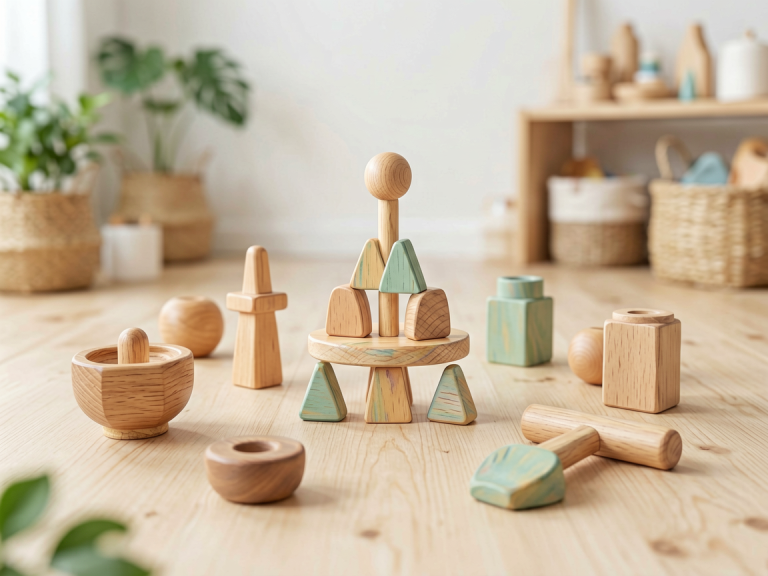
Instead of buying 20 cheap plastic toys, save for a few high-quality, timeless items: a set of hardwood unit blocks, a stainless steel play kitchen, a set of art supplies that includes real watercolor paint and brushes. These items can last through multiple children and remain engaging across ages.
—
Common Pitfalls to Avoid
- Over-scheduling Play. A learning toy plan is a structure, not a curriculum. Do not pressure your child to “learn” from every toy. Allow for free, unstructured playtime.
- Ignoring the Child’s Voice. If your child consistently rejects a toy, listen. Their resistance may indicate boredom, frustration, or a mismatch with their current developmental need.
- Rotating Too Fast. If you swap toys every few days, children never settle into deep play. Stick to a consistent schedule and resist the urge to introduce new items mid-rotation.
- Neglecting Outdoor and Physical Toys. A learning toy plan should include outdoor elements: balls, jump ropes, sidewalk chalk, sand toys. Physical play is essential for brain development and cannot be replaced by indoor toys.
—
Conclusion
A learning toy plan for parents is ultimately a gift of presence over accumulation. By thoughtfully curating, rotating, and observing, you transform the playroom into a landscape of discovery. Your child learns not only from the toys but from your intentionality: they absorb the message that play is valuable, that curiosity is honored, and that less really can be more. Start small. Audit one shelf. Choose one rotation basket. Watch what happens. The plan will evolve, and so will your child—one deep, joyful play session at a time.