Toy Path for 2-Year-Olds: A Guide to Nurturing Development Through Play
Introduction: Why the Right Toy Matters at Age Two
The age of two is a remarkable milestone in a child’s life. It is a time of rapid cognitive, motor, and social-emotional growth, often described by developmental psychologists as the "terrible twos" but more accurately recognized as the "tremendous twos." Two-year-olds are curious explorers who have begun to assert their independence, communicate with simple sentences, and engage in more complex interactions with their environment. The toys they interact with are not mere distractions; they are tools for learning, building, and understanding the world. Choosing the right toy path for a two-year-old is therefore a deliberate act of parenting that can shape a child’s curiosity, confidence, and creativity. This article explores the essential considerations, categories, and strategies for selecting toys that support the unique developmental needs of two-year-olds.
Understanding the Two-Year-Old Mindset
Cognitive Development and Learning Through Play
At two, a child’s brain is developing at an astonishing rate. Neural connections are being formed at a pace that will never be matched again. This is the period when children begin to understand cause and effect, engage in pretend play, and solve simple problems. Toys that encourage these cognitive processes are invaluable. For instance, a simple shape-sorter teaches a child to recognize patterns and spatial relationships. A set of stacking cups invites experimentation with balance and gravity. The key is to provide toys that are just challenging enough to hold interest but not so difficult that they lead to frustration. The toy path for a two-year-old should include open-ended materials that allow for multiple uses—blocks, for example, can become towers, roads, or even pretend food.
Physical Milestones: Fine and Gross Motor Skills
Two-year-olds are mastering both fine and gross motor skills. They can walk, run, and climb with increasing confidence. They are also learning to use their hands more precisely—turning knobs, pulling strings, and scribbling with crayons. Toys that promote these movements are essential. Push-and-pull toys, like a wagon or a wooden animal on wheels, help develop balance and coordination. Puzzles with large knobs encourage the pincer grasp. Art supplies, such as chunky crayons or washable markers, allow for finger strength and hand-eye coordination. A well-balanced toy path will include items that engage both the large muscle groups and the small muscles of the hands.
Language and Social-Emotional Growth
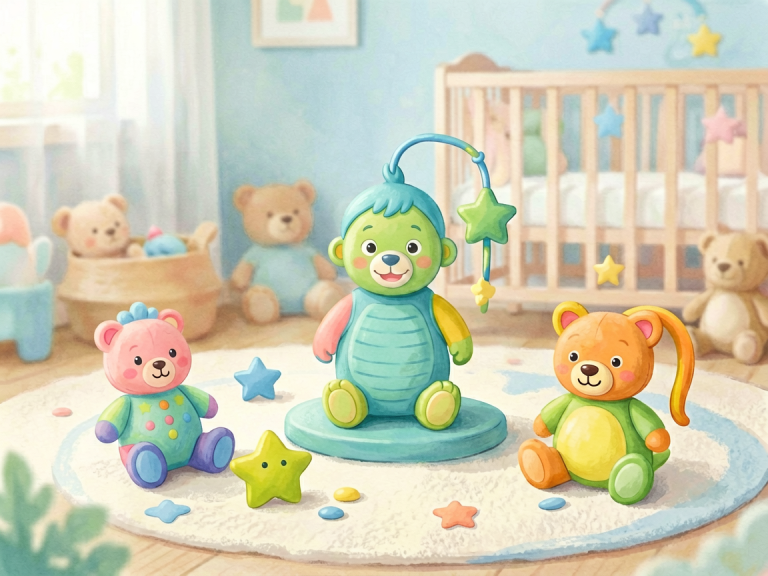
Language explodes during the second year. A typical two-year-old may know 50 to 200 words and is beginning to combine them into short phrases. Toys that encourage conversation and interaction are vital. Picture books with simple, repetitive text are excellent. Dolls and stuffed animals can be used for role-playing, which helps children understand emotions and social roles. Simple board games for toddlers, like matching games or memory cards, teach turn-taking and patience. The toy path should also include items that foster independent play, as two-year-olds are learning to entertain themselves for short periods, which builds self-regulation.
Key Categories of Toys for Two-Year-Olds
Building and Construction Toys
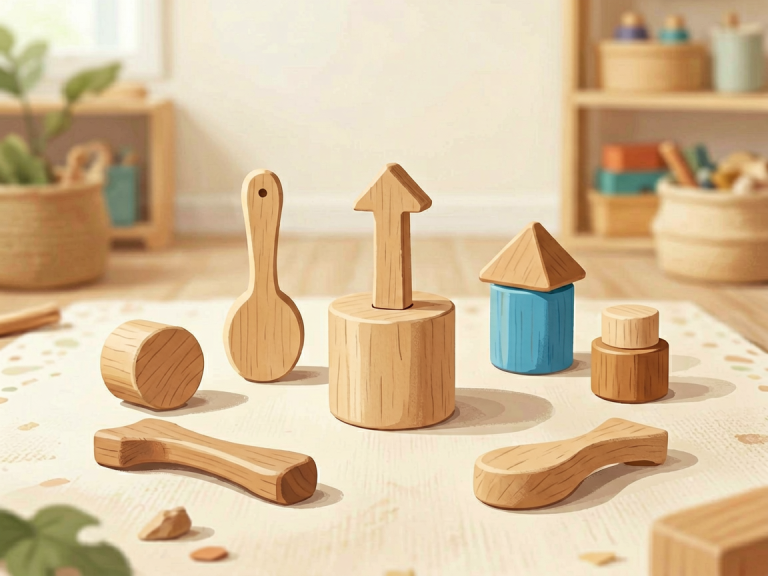
Blocks are the cornerstone of early childhood play. Wooden blocks, large interlocking blocks (like Duplo), or magnetic tiles allow two-year-olds to create structures, knock them down, and start again. This process teaches resilience, planning, and fine motor control. When choosing building toys, ensure the pieces are large enough to prevent choking hazards and are made from non-toxic materials. A set of 20 to 30 blocks is sufficient; too many can overwhelm a toddler. The toy path should include at least one building set that encourages vertical stacking and horizontal arranging.
Art and Sensory Play
Two-year-olds are natural artists. They love to smear, squish, and spread. Non-toxic finger paints, play dough, and kinetic sand are excellent choices. These materials provide sensory input that helps regulate emotions and develop tactile awareness. Art activities also support pre-writing skills. However, parents must supervise closely to avoid messes and accidental ingestion. Simple tools like stampers, rollers, and cookie cutters add variety. For a clean but equally engaging option, consider water play toys—cups, funnels, and floating toys in a shallow basin. Sensory bins filled with rice, beans, or pasta (with supervision) can keep a two-year-old engaged for long stretches.
Pretend Play and Role-Playing
Imaginative play begins to flourish at age two. Children love to imitate adults. A toy kitchen with pots, pans, and plastic food encourages role-playing and language development. A doctor’s kit with a stethoscope and bandage allows them to practice empathy and caregiving. Dress-up clothes, such as hats, scarves, and simple costumes, invite fantasy. The key is to provide realistic props that are safe and durable. Avoid tiny accessories that could be swallowed. A small dollhouse or barn with animal figures can also spark storytelling. The toy path should include at least one pretend play set that aligns with the child’s current interests—whether that is cooking, animals, or vehicles.
Movement and Outdoor Toys
Physical activity is crucial for a two-year-old’s health and mood. Ride-on toys, such as a small tricycle or a push car, help develop leg strength and balance. A small slide or a set of soft climbing blocks can be used indoors or outdoors. Balls of various sizes—soft foam balls, large beach balls, or textured balls—encourage throwing, kicking, and catching. A simple tunnel to crawl through or a pop-up play tent provides a cozy space for quiet play. Outdoor toys like a sandbox or a water table extend learning opportunities. When selecting movement toys, prioritize safety: avoid sharp edges, ensure stability, and supervise near water or heights.
Musical and Sound Toys
Music is a powerful tool for brain development. Two-year-olds respond to rhythm and melody. Simple instruments like a xylophone, maracas, a drum, or a set of bells allow them to create sounds. Musical toys that play pre-recorded songs can be fun, but open-ended instruments are better for creativity. Singing along to songs and dancing to music also support language and gross motor skills. Consider a toy that plays different animal sounds or vehicle sounds—these help with auditory discrimination. The toy path should include at least one musical instrument that the child can activate independently.
Safety Considerations in the Toy Path
Material Safety and Choking Hazards
The most critical factor in choosing toys for two-year-olds is safety. The child is still at an age where mouthing objects is common. All toys should be made from non-toxic materials—look for labels indicating they are BPA-free, phthalate-free, and lead-free. Avoid toys with small parts that can detach. A good rule of thumb: if a toy or any piece of it fits inside a toilet paper tube, it is too small for a two-year-old. Also, check for sharp edges, splinters, or loose strings. Battery compartments should be secured with screws to prevent access to small batteries, which are a serious choking and chemical hazard.
Durability and Age Appropriateness
Two-year-olds are not gentle. They throw, drop, and step on toys. Choose toys that are sturdy and well-made. Wooden toys, when finished with non-toxic paint, are often more durable than plastic alternatives—though plastic can be fine if it is thick and impact-resistant. Avoid toys with many small pieces that can be lost or scattered. Age recommendations on packaging are helpful but not always accurate; use your judgment about your child’s abilities. A toy labeled for three-year-olds may be appropriate if your two-year-old is advanced, but be cautious about potential choking hazards. Also, be mindful of noise levels: some electronic toys can be too loud and may damage hearing. Look for toys with volume control or choose acoustic alternatives.
Creating a Balanced Toy Rotation
The Importance of Limiting Choices
It is tempting to surround a two-year-old with toys, but too many options can lead to overstimulation and decreased attention span. Experts recommend a toy rotation system: keep only a few toys accessible at a time and rotate them every week or two. This keeps the child engaged and prevents boredom. The toy path should include a mix of categories—building, pretend play, art, movement, and quiet play. For example, one week you might have blocks, a doll, finger paints, a ball, and a puzzle. The next week, swap in a train set, a doctor’s kit, play dough, a ride-on toy, and a musical instrument. This approach also helps parents observe which types of play the child gravitates toward.
Storage and Accessibility
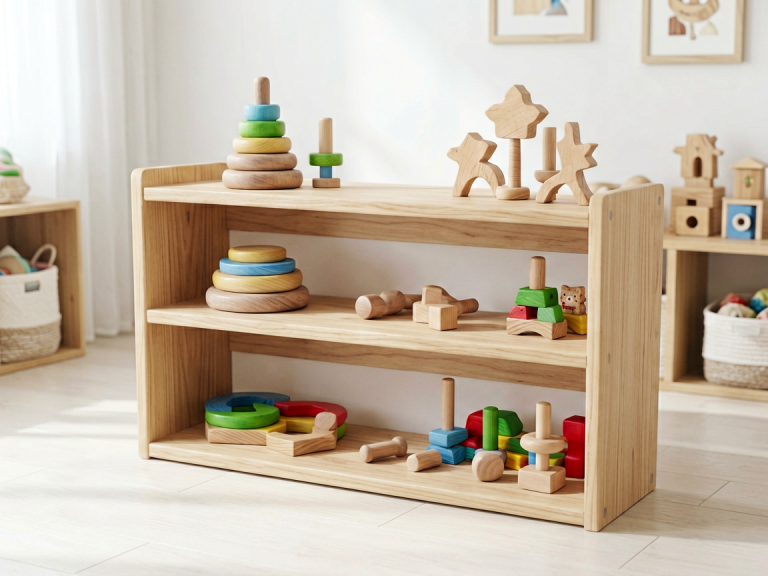
Two-year-olds are learning to put toys away, but they need a simple system. Low shelves, open bins with pictures on the outside, and a designated play mat or rug help define the play area. Avoid heavy lids or hard-to-open containers. Encouraging cleanup should be part of the play routine, but keep expectations low—sing a cleanup song and make it a game. The toy path should also include a quiet corner with a few books and a soft blanket for when the child needs a break.
Conclusion: The Ever-Evolving Toy Path
The toy path for a two-year-old is not a rigid set of rules but a flexible guide that adapts to the child’s growing abilities and interests. What fascinates a two-year-old today may be abandoned tomorrow—that is normal. The goal is not to buy every flashy toy on the market but to provide a thoughtful collection of objects that support development, spark curiosity, and most importantly, bring joy. As you walk along this path with your child, remember that the best toy is often the simplest: a cardboard box, a set of wooden spoons, or a handful of leaves. The parent’s presence, attention, and involvement are the true catalysts for learning. So choose wisely, play often, and watch your two-year-old blossom through the magic of play.