The Ultimate Guide to the Best Beginner Puzzle Toys: Building Skills One Piece at a Time
Puzzles have long been celebrated as more than just a pastime. They are miniature challenges that engage the mind, encourage perseverance, and reward curiosity. For anyone new to the world of puzzles—whether a young child, an adult seeking a gentle cognitive workout, or a senior looking to keep the brain sharp—the right starting point makes all the difference. A poorly chosen puzzle can lead to frustration, while a thoughtfully selected one can spark a lifelong love for problem-solving. This guide explores the best beginner puzzle toys, explaining why they are ideal for novices and how they can build foundational skills in a fun, low-pressure way.
What Makes a Puzzle Toy Beginner-Friendly?
Before diving into specific recommendations, it is helpful to understand the qualities that define a truly beginner-friendly puzzle toy. First and foremost, simplicity matters. Beginners need puzzles that have a clear, achievable goal—matching a shape, completing a small picture, or sorting pieces by color. The number of pieces should be small, and the pieces themselves should be large and easy to handle. Chunky wooden pieces, for example, are far more forgiving than tiny jigsaw pieces that require fine motor dexterity.
Second, the puzzle should offer immediate feedback. When a piece fits correctly, it should be obvious—either through a satisfying click, a visual alignment, or the completion of a recognizable image. This instant reward system keeps learners motivated and builds confidence.
Third, beginner puzzles often incorporate familiar themes. Animals, vehicles, everyday objects, or simple geometric patterns resonate with new puzzlers because they can mentally predict the outcome. The cognitive load is reduced, allowing the beginner to focus on the process rather than deciphering abstract designs.
Finally, durability and safety are crucial. Beginners are likely to drop pieces, chew on them (in the case of toddlers), or apply rough handling. High-quality materials such as solid wood, non-toxic paint, and rounded edges ensure the toy can withstand enthusiastic use.
Top Recommendations for Beginner Puzzle Toys
Now let us explore some of the best beginner puzzle toys available. These selections cater to different ages and interests, but all share the core principles of simplicity, engagement, and skill-building.
Wooden Chunky Puzzles for Toddlers and Preschoolers
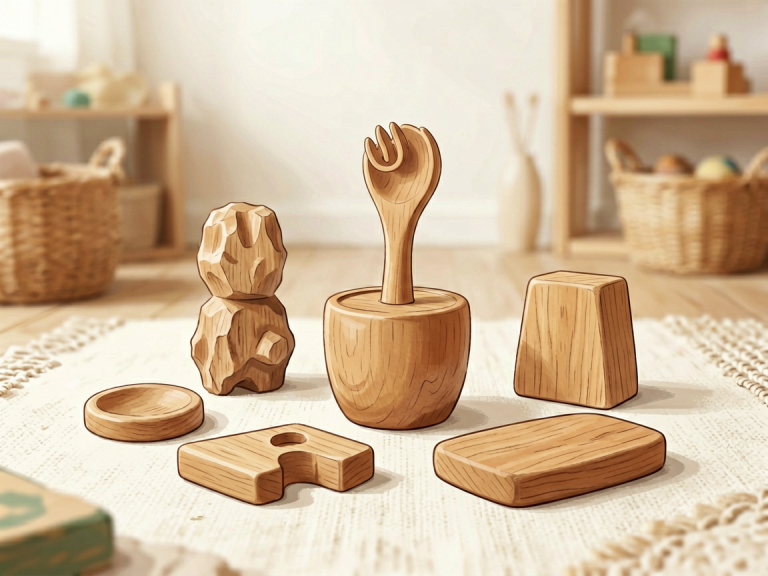
For the youngest beginners, wooden chunky puzzles are the gold standard. Each piece is thick, easy to grasp, and stands alone as a familiar shape—a dog, a car, an apple. The puzzle board has corresponding cutouts, and the child simply places each piece into its matching spot. Brands like Melissa & Doug offer sets with themes such as farm animals, dinosaurs, or transportation. The pieces are large enough to prevent choking hazards, and the bright colors stimulate visual perception. These puzzles teach cause and effect, shape recognition, and hand-eye coordination. Best of all, they require no reading or complex instructions, making them accessible from around 18 months old.
Floor Puzzles with Oversized Pieces
As children grow a little older (ages 3 to 5), floor puzzles become an excellent next step. These puzzles have large, thick cardboard pieces that are easy to manipulate on a flat surface. A 24-piece floor puzzle depicting a colorful jungle scene or a map of the world offers a gentle challenge. The pieces are oversized, so there is no risk of losing them under furniture, and the images are engaging enough to hold attention. Working on the floor also encourages gross motor movement and spatial awareness. Parents can participate, turning the activity into a collaborative bonding experience.
Shape Sorting and Peg Puzzles
Shape sorters are classic beginner puzzles that combine fine motor skills with logical thinking. A cube or board with cutouts for different geometric shapes (circle, square, triangle) requires the child to match each piece to its corresponding hole. Some advanced versions incorporate pegs that must be aligned correctly. These toys teach children about shapes, colors, and spatial relationships. They are particularly good for developing problem-solving strategies because the child must rotate and test each piece before it fits. For older beginners, peg puzzles with letters or numbers add an educational twist, introducing early literacy and numeracy concepts.
Simple Jigsaw Puzzles for Older Beginners
Adults or older children who are new to jigsaw puzzles might feel intimidated by a 1,000-piece landscape. The key is to start with small counts—say, 50 to 100 pieces. Look for puzzles with clear, high-contrast images that are easy to piece together. For instance, a photograph of a bright sunflower or a simple cartoon character works well. Some brands offer "beginner" jigsaw series with piece shapes that are more regular (e.g., all pieces are roughly the same size and shape) to reduce complexity. Additionally, puzzles with a border image printed on the box can serve as a visual guide. These small jigsaws build pattern recognition, patience, and the habit of sorting edges from interiors—a foundational jigsaw technique.
Logic Puzzles and Pattern Blocks
Not all beginner puzzles are jigsaws. Logic puzzles, such as simple tangrams or pattern block sets, introduce abstract thinking through geometry. A beginner tangram set might have only four or five pieces, with a guide showing how to form a house, a bird, or a boat. Pattern blocks (wooden or plastic shapes in different colors) allow the user to replicate designs from a card. These toys are excellent for developing spatial reasoning, symmetry understanding, and creativity. They are also highly open-ended—once the beginner masters the given patterns, they can invent their own, extending the play value indefinitely.
Magnetic Puzzle Boards
Magnetic puzzles offer a twist that appeals to many beginners. A magnetic board with interlocking pieces—such as a set of magnetic shapes that form a vehicle—can be assembled on any metal surface. The magnetic connection makes pieces easier to stick together and less likely to scatter, which reduces frustration. For children, magnetic dress-up dolls (where you choose outfits for a magnetic character) are a fun, non-traditional puzzle that teaches matching and coordination. For adults, magnetic travel puzzles with small piece counts are ideal for beginners who want to puzzle on the go.
How to Choose the Right Beginner Puzzle Toy
Selecting the perfect puzzle among so many options can be overwhelming. Here are practical guidelines to help you decide.
First, consider the age and developmental stage of the beginner. A one-year-old needs chunky wooden pieces, not a 100-piece jigsaw. A five-year-old might enjoy a floor puzzle but would struggle with abstract logic puzzles meant for age 8+. Always check the manufacturer’s age recommendation, but also observe the individual’s fine motor skills and attention span. If the puzzle is too easy, the child may lose interest; if too hard, they may give up. The sweet spot is a puzzle that requires a few minutes of concentrated effort but can be completed with reasonable persistence.
Second, think about interests and themes. A child who loves dinosaurs will be far more motivated to complete a dinosaur puzzle than a generic flower one. Similarly, an adult beginner who enjoys nature photography will stay engaged with a landscape puzzle. Matching the puzzle’s subject to the user’s passions intrinsically boosts motivation.
Third, evaluate the piece size and material. For young children, avoid small pieces that could be swallowed. For older beginners, consider whether they prefer the texture of wood versus cardboard, or if they need extra grip due to arthritis or dexterity issues. Puzzles with knobs or handles on each piece can be very helpful for those with limited hand strength.
Fourth, assess the level of detail. A puzzle with many similar colors (e.g., an all-blue sky) is more difficult than one with distinct areas of color. Beginners should start with puzzles that have clear boundaries between different sections—for example, a house with a red roof, green grass, and a blue sky. This segmentation makes it easier to sort pieces by color or region.
Finally, consider the social aspect. Some beginners prefer solo puzzle time, while others enjoy working with a partner or in a group. Cooperative puzzles, where multiple people can contribute simultaneously, can be a great entry point for families. Look for puzzles that are large enough for two or three hands to work without conflict.
Tips for Getting Started with Puzzle Toys
Even the best beginner puzzle toy needs the right environment to shine. Here are tips to set up a successful first puzzle experience.
Create a dedicated puzzle space. A flat, well-lit surface free from distractions is ideal. A table or a clean floor works well. For small pieces, a felt mat or a puzzle tray can keep pieces from sliding off. Having a stable workspace prevents accidental knockdowns, which can be discouraging.
Sort pieces before starting. Teach the beginner to separate edge pieces from interior pieces, or to group pieces by color. This sorting step is a puzzle in itself and helps develop organizational skills. For very young children, you can presort the pieces into small piles to reduce overwhelm.
Use the box image as a guide. Place the box cover nearby so the beginner can refer to it. For jigsaw puzzles, a reference picture is essential. Some puzzles even include a poster of the image that can be placed underneath the transparent puzzle board.
Celebrate small victories. Always acknowledge each correct placement, especially in the beginning. Verbal praise or a high-five reinforces positive feelings. If a piece doesn’t fit, model a calm response: “That one didn’t work. Let’s try turning it around.” This teaches resilience without pressure.
Introduce timers for gentle challenge. Once a beginner has completed a puzzle a few times, you can challenge them to beat their own time. However, avoid turning it into a competition with others. The goal is personal growth, not speed.
Rotate puzzles regularly. Having two or three puzzles available and swapping them every couple of weeks keeps the experience fresh. Beginners will build skills faster if they are exposed to different types—jigsaws, shape sorters, logic puzzles—so they don’t fixate on one method.
Conclusion
The world of puzzle toys is vast, but for beginners, the journey starts with a single piece. Whether it is a chunky wooden animal puzzle for a toddler, a 50-piece jigsaw for a curious child, or a simple tangram set for an adult exploring a new hobby, the right puzzle toy can unlock cognitive benefits that last a lifetime. It teaches patience, attention to detail, spatial reasoning, and the joy of solving a problem. By choosing a puzzle that is appropriately challenging, engaging in theme, and physically comfortable, you set the stage for success. Remember: every expert puzzler was once a beginner who matched one piece at a time. So pick a toy, clear a space, and let the fun begin. The satisfaction of that final piece clicking into place is a reward everyone deserves to experience.