Introduction: Why Toy Rotation Matters
Title: The Art of Toy Rotation: A Comprehensive Guide for Parents to Simplify Play, Reduce Clutter, and Foster Deeper Learning
Every parent knows the scene: a living room carpet buried under a mountain of plastic dinosaurs, half-assembled puzzles, forgotten dolls, and noisy electronic gadgets. Your child, surrounded by abundance, complains, “I’m bored!” You feel overwhelmed by clutter, guilt about the money spent, and frustration that none of these toys seem to hold attention for more than five minutes. Enter the concept of toy rotation—a simple yet transformative parenting strategy that can restore order, spark creativity, and deepen your child’s engagement with play.
Toy rotation is not about throwing away toys or restricting your child’s access. Rather, it is a deliberate system of curating a small selection of toys for a set period—usually one to four weeks—and then swapping them out with a fresh batch stored away. This method, rooted in Montessori and child-development principles, respects a child’s natural need for novelty while honoring their deep, focused play. When done consistently, a toy rotation schedule benefits the whole family: less mess, fewer conflicts, and more meaningful playtime.
In this guide, I will walk you through the philosophy behind toy rotation, a step-by-step plan to create your own schedule, practical tips for different ages, and how to handle common challenges. By the end, you’ll be equipped not just with a system, but with a mindset that transforms how your child interacts with their toys.
1. The Science Behind Toy Rotation: Why “Less Is More”
Before diving into schedules, it helps to understand *why* toy rotation works. Research in early childhood development shows that when young children face too many choices, they often become overwhelmed. Instead of selecting one toy and engaging deeply, they flit from item to item, producing a scattered, shallow play experience. This phenomenon, called “overchoice,” can lead to shorter attention spans, increased frustration, and even more demanding behavior.
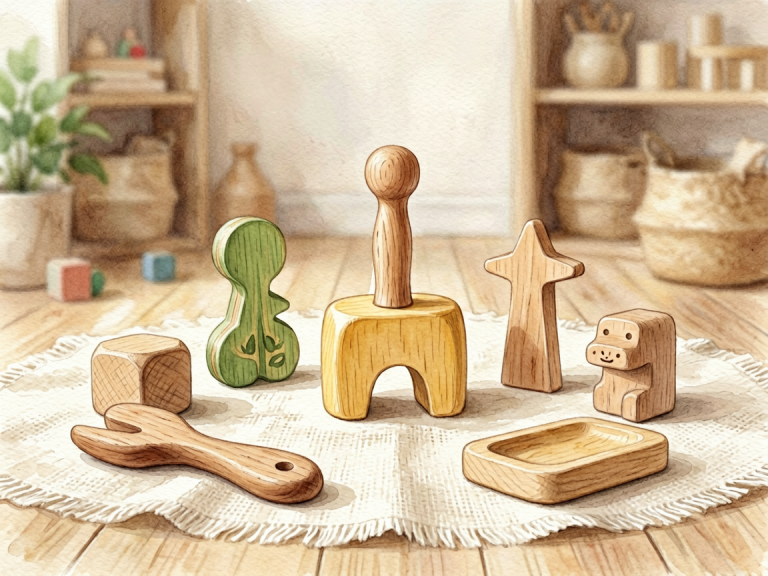
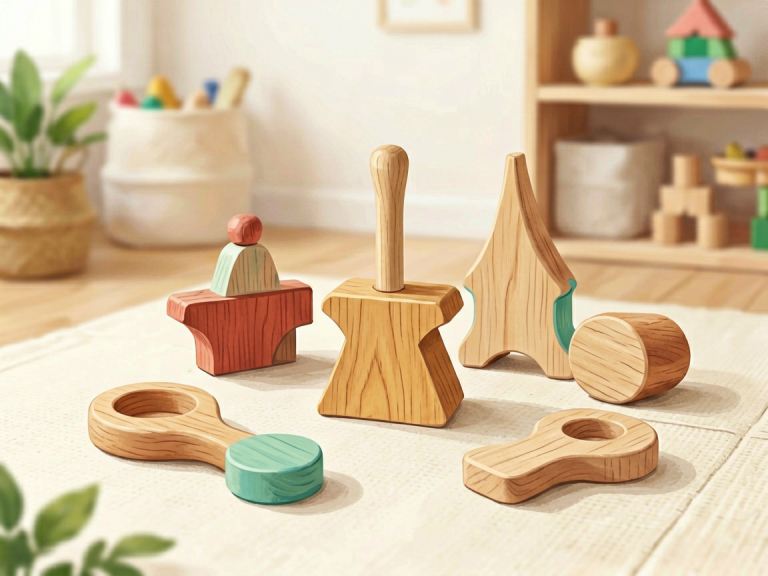
Conversely, when only a limited number of toys are available—say, five to eight items—a child naturally slows down. They explore each toy more thoroughly, discovering multiple ways to use it. A set of wooden blocks, for instance, can become a castle, a road, a counting tool, or a tower to knock down. This deep, uninterrupted play is the foundation for problem-solving, creativity, and concentration.
Furthermore, the *novelty effect* works in your favor. When toys are hidden for a few weeks and then reintroduced, they feel fresh and exciting again, as if your child received a gift. You don’t need to keep buying new toys; you simply reuse what you already own. This not only saves money but also fosters a sense of appreciation in your child for what they have.
2. Creating Your Toy Rotation Schedule: A Step-by-Step Plan
Building a rotation system does not require military precision. The goal is to create a rhythm that feels natural for your family. Here is how to design one that works for you, your child’s age, and your available space.
Step 1: Audit Your Toy Collection
First, gather every toy from every corner of the house. Yes, even that dusty box under the bed. Sort them into categories: building/construction, pretend play, puzzles, art supplies, sensory items, vehicles, musical toys, etc. As you sort, discard or donate anything broken, missing pieces, or no longer age-appropriate. This is a crucial decluttering step—do not skip it. A toy rotation system only works if you genuinely pare down to quality items.
Step 2: Divide Into “Baskets” or “Bathes”
Now, divide your remaining toys into roughly four to six groups. Each group should contain a balanced mix of categories. For example, Group A might include a set of wooden blocks, a play kitchen with two pots, a fire truck, a simple puzzle, and a sensory bin filled with rice and scoops. Group B might include Duplo bricks, a doctor’s kit, a shape sorter, a doll, and a set of stacking cups. Aim for 5–8 toys per group for toddlers, and 8–12 for older preschoolers. The exact number depends on your child’s temperament and your home size.
Step 3: Choose a Rotation Cadence
Most parents rotate every one to three weeks. Toddlers (18 months–3 years) benefit from shorter cycles—about once a week—because their attention spans are still short and they crave variety. Preschoolers (3–5 years) can handle two-week rotations, while kindergarteners (5–6 years) often do well with three-week cycles. You can also adopt a “two-basket” system: have one basket out and one in storage, and swap them every two weeks. Over time, you’ll notice when your child starts losing interest—that is your cue to rotate.
Step 4: Prepare the Storage
You need a system for the toys not in use. Clear plastic bins with lids work well because you can see inside (though labeling is still helpful). Store them in a closet, garage, or under a bed—out of sight, out of mind for your child. Keep the rotation schedule simple: label each bin with a number (Bin 1, Bin 2, etc.) and the intended rotation week if you are following a calendar. Alternatively, you can keep a list on your phone.
Step 5: Introduce the System to Your Child
Do not dump all the toys at once. Choose the first group and arrange them neatly on shelves or in a low-open basket. Explain to your child, “These are your toys for this week. Next week, we’ll get new ones from the special closet!” Some children may initially resist seeing familiar toys disappear. Reassure them that their favorites will come back again. A visual calendar with stickers can help if your child thrives on routine.
3. Adapting the Schedule for Different Ages and Stages
No two children are alike, and toy rotation should flex with your child’s development. Here are age-specific considerations:
Infants and Younger Toddlers (0–18 months): At this stage, sensory exploration is key. Rotate very few objects—three to four items at a time—such as a rattle, a soft block, a mirror, and a textured ball. Rotate every few days. Safety is paramount: avoid small parts.
Older Toddlers (18 months–3 years): Use open-ended toys: blocks, animal figures, shape sorters, stacking rings, and simple puzzles. Rotate weekly. Watch for signs of fatigue: if your child ignores the toys for two days in a row, swap them early. Include one novel item per rotation (perhaps a toy they haven’t seen in a while) to spark curiosity.
Preschoolers (3–5 years): This is the golden age for rotation. Use themed bins: a “construction week” with blocks, trucks, and a hard hat; a “pretend play week” with a doctor kit, stethoscope, and stuffed animals. Rotate every two weeks. Include art supplies (crayons, paper, stickers) but change them with each rotation to avoid stale paper piles.
Early School-Age (5–7 years): Children at this age may have more complex toys like board games, craft kits, or building sets. Rotate every three to four weeks. Involve your child in the process—ask them which toys they’d like to save for next month. This builds decision-making skills and ownership.
4. Practical Tips for a Smooth Toy Rotation Routine
Implementing a new system often feels daunting. Here are battle-tested strategies to make it stick:
- Set a recurring calendar alert. Many parents rotate on a weekend morning when they have more time. A 20-minute reset each Saturday works wonders. Bring the stored bin out, swap toys, and tidy the play area.
- Keep one “always available” zone. For security, allow a small shelf or basket of “permanent” toys—such as your child’s favorite lovey, a few books, or a special comfort item. Rotation should not feel punitive.
- Use the rotation to teach responsibility. Have your child help you clean up the current batch before bringing out the new one. This reinforces the “one thing at a time” principle and reduces the chaos of all toys everywhere.
- Rotate books and puzzles together. Books are toys too! Rotate a selection of 5–8 picture books with each toy rotation. Your child will rediscover forgotten stories with the same enthusiasm.
- Don’t rotate everything. Some large items, like a play kitchen or a dollhouse, can stay out year-round. Instead, rotate the accessories that go with them—dishes, food, dolls, furniture.
- Embrace imperfection. You will inevitably miss a rotation or feel that a particular bin was a flop. That is okay. Toy rotation is a flexible tool, not a strict rule. Adjust based on your child’s mood and your energy level.
5. The Surprising Benefits Beyond Clutter Control
While the most obvious benefit of toy rotation is a tidier home, the deeper rewards are even more profound. Parents who adopt this system often report:
- Reduced fighting between siblings. When fewer toys are available, children learn to negotiate, share, and take turns naturally. There is less sensory overload and fewer arguments over “that toy.”
- More independent play. With curated, quality toys, children can engage for longer periods without parental intervention. You might even enjoy a cup of hot coffee while your toddler builds a tower in peace.
- Enhanced creativity. Because toys are fewer, children must use them in more imaginative ways. A set of wooden blocks becomes a spaceship, a castle, a farm, all in the same week. This flexibility boosts executive function and divergent thinking.
- A calmer home environment. Toy clutter is a visual stressor for both adults and children. Seeing a tidy play area calms the nervous system and sends a subtle message: “You can focus here.” Many parents find that their child’s overall mood improves after implementing rotation.
- Financial savings. You will stop buying new toys to address boredom. Instead, you’ll rediscover the magic of old ones. Birthdays and holiday gifts can be cycled into your rotation system, extending their novelty across months.
Conclusion: Start Small, Stay Consistent
Toy rotation is not a quick fix, but a long-term lifestyle shift. If you are feeling overwhelmed by the idea of sorting through years of accumulated toys, start with just one area—perhaps your toddler’s favorite bin of cars. Pick three cars and put the rest in a shoe box in the closet. In one week, swap them. That’s it. You don’t need to overhaul everything overnight.
The beauty of a toy rotation schedule is that it grows with your family. As your child ages, you can refine the system, involve them in decision-making, and even teach them to manage their own playthings. What begins as a practical way to reduce mess becomes a profound lesson in mindfulness, gratitude, and the joy of simple, deep play.
So take a deep breath. Grab a storage bin. And remember: you are not just organizing toys; you are creating an environment where your child’s imagination can truly soar. Happy rotating!