The Ultimate Guide to Toy Rotation: A Parent’s Strategy for Reducing Clutter and Boosting Play
Introduction
Every parent knows the scene: a living room floor buried under a mountain of plastic dinosaurs, half-assembled puzzles, and squeaky rubber ducks. Despite owning dozens of toys, your child often says, “I’m bored,” while you trip over scattered blocks for the tenth time in an hour. This paradox—too many toys yet not enough engagement—is a modern parenting struggle. The solution is not to buy more toys but to manage them intelligently. Enter the toy rotation system, a simple yet transformative method that restores order, sparks creativity, and saves your sanity.
A toy rotation system involves dividing your child’s toys into smaller, curated groups and swapping them out periodically, rather than keeping everything accessible at once. This approach is rooted in developmental psychology and minimalism, offering benefits that go far beyond a tidy home. In this article, we’ll explore why toy rotation works, how to implement it step by step, and how to troubleshoot common challenges. By the end, you’ll have a practical roadmap to reclaim your space and rekindle your child’s wonder.
Why Toy Rotation Works: The Science Behind the Strategy
Children thrive on novelty and challenge. When a toy is constantly available, it loses its appeal and becomes part of the background noise. Research in early childhood development shows that excess choice can overwhelm young children, leading to shorter attention spans and shallow play. A toy rotation system limits the number of options at any given time, which actually deepens engagement. With fewer toys, a child is more likely to focus, experiment, and use imagination to transform a simple set of blocks into a castle or a spaceship.
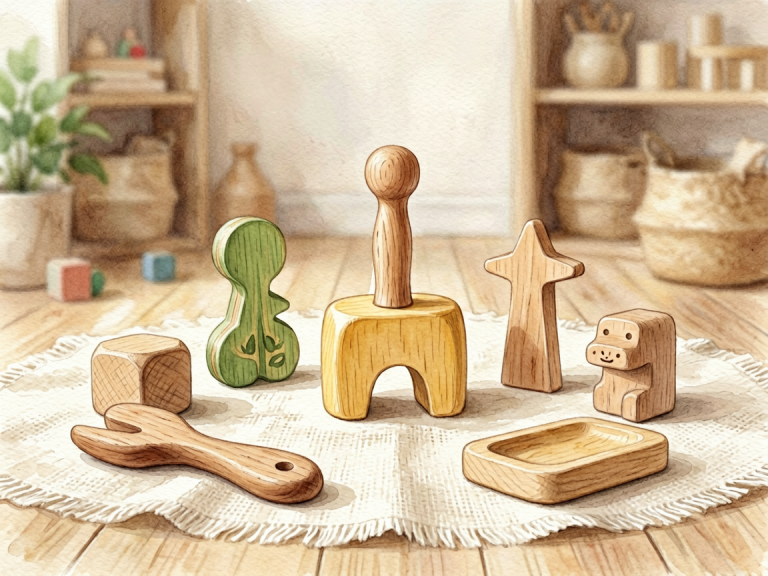
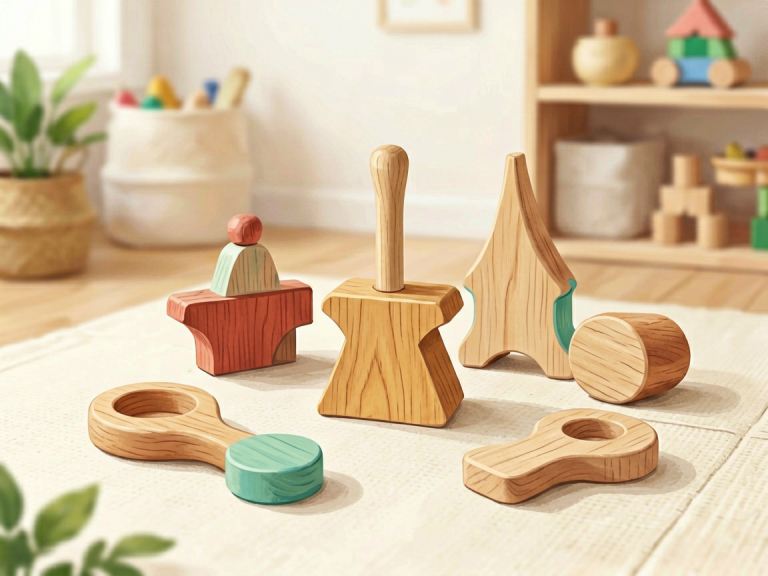
Moreover, a rotating system reduces sensory overload. A cluttered environment competes for a child’s attention, making it hard to settle into sustained play. By keeping only 8–12 toys (or fewer, depending on age) visible at a time, you create a calmer space. This aligns with Montessori and Waldorf philosophies, which emphasize simplicity and order. The periodic introduction of “new” toys (actually old ones from storage) also mimics the excitement of gift-giving without the cost or environmental impact.
How to Implement a Toy Rotation System: Step-by-Step
Step 1: Declutter and Categorize
Before you can rotate, you need to know what you have. Gather all toys from every corner—bedrooms, playrooms, car trunks, Grandma’s house. Sort them into broad categories: building toys (blocks, LEGO), pretend play (kitchen sets, costumes), puzzles and games, arts and crafts, sensory toys (playdough, water beads), and vehicles. Discard broken or missing-piece items. Donate toys your child has outgrown. Be ruthless: the goal is quality over quantity.
Step 2: Divide into Sets
Based on your child’s age and interests, create 3–4 separate sets of toys. Each set should offer a balanced mix of categories. For example, Set A might include a set of wooden blocks, a train set, two puzzles, a dress-up cape, and a shape sorter. Set B could have magnetic tiles, a doctor’s kit, a stacking game, and a set of animal figurines. The key is variety: include open-ended toys (like blocks) that encourage creativity alongside closed-ended ones (like puzzles) that build specific skills.
Step 3: Store the Extra Sets
Choose a storage location that is out of sight and out of reach of your child. Clear plastic bins with lids are ideal because you can see the contents. Label each bin with the set number or a list of contents. A high closet shelf, a garage shelf, or under-bed storage works well. Avoid stacking bins so high that they become inaccessible—you’ll need to rotate them every 1–2 weeks.
Step 4: Introduce the First Set
Place only one set of toys in the designated play area. Arrange them neatly on low shelves or in baskets so your child can see every item. Resist the urge to add extra “just in case” toys. For the first few days, your child may seem uninterested or even ask for missing favorites—this is normal. Give it time.
Step 5: Observe and Rotate on Schedule
Set a timer or a calendar reminder to rotate toys every 7–14 days. The exact frequency depends on your child’s age and attention span. Toddlers may need weekly rotations; preschoolers can handle two weeks. Pay attention to which toys your child gravitates toward and which are ignored. Use this information to refine future sets. When rotating, simply swap the current set with a fresh one. Return the old toys to storage for a month or two before reintroducing them—this ensures the novelty is genuine.
Tips for a Successful Toy Rotation
- Involve your child (age-appropriate). For children over 3, let them help choose which toys go into the next rotation. This gives them a sense of ownership and reduces resistance.
- Respect “special toys.” Some children have a comfort object (a favorite stuffed animal or blanket) that should never be rotated. Keep it always accessible.
- Use rotation as a cleanup tool. Because fewer toys are out, cleanup becomes faster. Teach your child that before a new set appears, the current one must be put away. This builds routine and responsibility.
- Don’t fear boredom. Boredom is not a problem to solve; it’s a catalyst for creativity. If your child complains, resist the urge to add more toys. Instead, suggest simple activities like drawing or building a fort with pillows.
- Rotate books too. Extend the system to books—a separate rotation of 8–10 picture books can reignite a love of reading.
Common Challenges and How to Overcome Them
“My child screams when I put toys away.”
This is especially common with toddlers who are still learning object permanence. Acknowledge their feelings (“I see you’re sad the trucks are going away”) but stay firm. Explain that the trucks are taking a nap and will come back later. Consistency builds trust; after a few rotations, most children accept the system.
“I don’t have enough toys to make multiple sets.”
You don’t need a massive toy collection. Even 20–30 well-chosen items can be divided into 3 sets. Consider rotating items from different play categories—for instance, one set could focus on sensory play, another on pretend play. Also, borrow from friends or visit the library for temporary additions.
“My child only wants one toy from the current set.”
That’s perfectly fine. The goal is not for them to play with every toy; it’s to have focused, deep play with whatever captures their interest. If they spend two weeks playing exclusively with wooden trains, that’s a win. Trust the process.
“I keep forgetting to rotate.”
Set a recurring alarm on your phone. Better yet, tie rotation to a regular event—every Friday after school, or every other Sunday morning. Over time, it becomes a habit.
The Long-Term Benefits of Toy Rotation
Beyond the immediate effects of a cleaner home and more engaged play, a toy rotation system teaches children valuable life skills. They learn to appreciate what they have, delay gratification, and care for their belongings because each toy feels special again. Parents often report that children become more creative, inventing games with ordinary objects rather than relying on electronic gadgets. Additionally, the system reduces impulsive toy buying—you’ll think twice before adding to the pile when you know you’ll just have to store it.
Economically, toy rotation extends the lifespan of toys. Instead of being thrown aside after a week, a set of blocks can remain exciting for years if it appears periodically. Environmentally, it cuts down on consumption and waste. And for parents, the peace of mind that comes from a manageable, tidy space is priceless.
Conclusion
The toy rotation system is not a perfect, one-size-fits-all solution, but it is a powerful tool for any parent overwhelmed by plastic chaos. It requires an upfront investment of time—an afternoon of sorting and organizing—but the payoff is a calmer home, a more focused child, and a renewed sense of control. Start small: choose a single shelf or one corner of the playroom. Observe how your child responds. Adjust as needed. Before long, you’ll wonder why you didn’t try it sooner.
In a world that constantly tells us we need more, toy rotation whispers a different truth: less is truly more. Less clutter, less distraction, less stress. More creativity, more focus, more connection. Give it a try—your child’s imagination will thank you, and so will your living room floor.