The Ultimate Guide to Avoiding Common Birthday Toy Plan Mistakes
—
Introduction: Why a Thoughtful Toy Plan Matters
A child’s birthday is a milestone filled with joy, laughter, and often, a mountain of gifts. Among all the presents, toys hold a special place—they are not just objects of play but tools for learning, creativity, and emotional development. However, many parents, relatives, and friends fall into the trap of making impulsive or ill‑considered decisions when planning birthday toys. Without a clear strategy, the excitement can quickly turn into disappointment, clutter, or even safety hazards.
In this comprehensive guide, I will walk you through the most common mistakes people make when planning birthday toys—and, more importantly, how to avoid them. Whether you are a parent, a grandparent, or a family friend, these insights will help you choose gifts that are meaningful, safe, and perfectly suited to the child’s age and interests. A well‑planned toy is not just a present; it is an investment in a child’s happiness and growth. Let’s explore the pitfalls and pave the way for a truly memorable birthday.
—
Mistake #1: Ignoring the Child’s Actual Interests
One of the most frequent errors is buying a toy based on what *you* think is cool, educational, or nostalgic, rather than what the child genuinely enjoys. A well‑meaning parent might purchase a complex science kit because they remember loving chemistry as a child, only to find that the birthday boy or girl is more interested in dinosaurs or art. This mismatch leads to the toy being abandoned after a few minutes, wasting money and causing disappointment.
How to Avoid It:
Take a few minutes to observe the child’s daily play patterns. What themes do they gravitate toward? Do they love building, role‑playing, drawing, or solving puzzles? Talk to the child’s parents or teachers for insights. Even a simple question like, “What’s your favorite thing to do when you play?” can reveal a treasure trove of information. Remember, the best toy aligns with a child’s current passion, not your own childhood memories.
—
Mistake #2: Overlooking Age Appropriateness
Age recommendations on toy packaging are not just arbitrary numbers—they are based on safety standards, cognitive abilities, and fine‑motor skills. Buying a toy that is too advanced can frustrate a child, while a toy that is too simple may bore them. For instance, giving a 2‑year‑old a set of small building blocks with tiny parts poses a choking hazard, while a 10‑year‑old might find a baby rattle insulting.
How to Avoid It:
Always check the manufacturer’s age range and read reviews from other parents. More importantly, consider the child’s individual developmental stage. A 4‑year‑old who has been practicing with crayons for a year may be ready for a slightly more advanced art set than the standard 3‑5 range suggests. When in doubt, consult with the child’s pediatrician or early childhood educator. It is far better to choose a toy that offers a gentle challenge than one that causes tears or is left untouched.
—
Mistake #3: Falling for the “More Is Better” Trap
The excitement of a birthday can lead to an avalanche of toys. Parents often load up on multiple gifts, and guests may bring additional presents. While generosity is wonderful, an overwhelming number of toys can actually backfire. Too many options can overstimulate a child, making it difficult for them to focus on any single toy. It also contributes to a cluttered playroom and can teach a consumerist mindset that equates happiness with quantity.
How to Avoid It:
Adopt the “one meaningful gift” principle. Instead of buying five cheap toys, choose one high‑quality item that the child will treasure. If you want to give variety, consider a single, versatile toy like a well‑designed building set or a digital drawing tablet that offers multiple functions. Alternatively, you can create a “gift experience” where the toy is combined with an activity—for example, a kite plus a trip to the park. This approach reduces clutter and encourages deeper engagement.
—
Mistake #4: Neglecting Safety and Durability
Safety should never be an afterthought. Many toys, especially cheap imported ones, may contain toxic paints, sharp edges, or detachable small parts that pose choking hazards. Even toys that appear safe can become dangerous if they break easily. A broken plastic piece can become a sharp projectile, and batteries can leak acid if the toy is not constructed properly.
How to Avoid It:
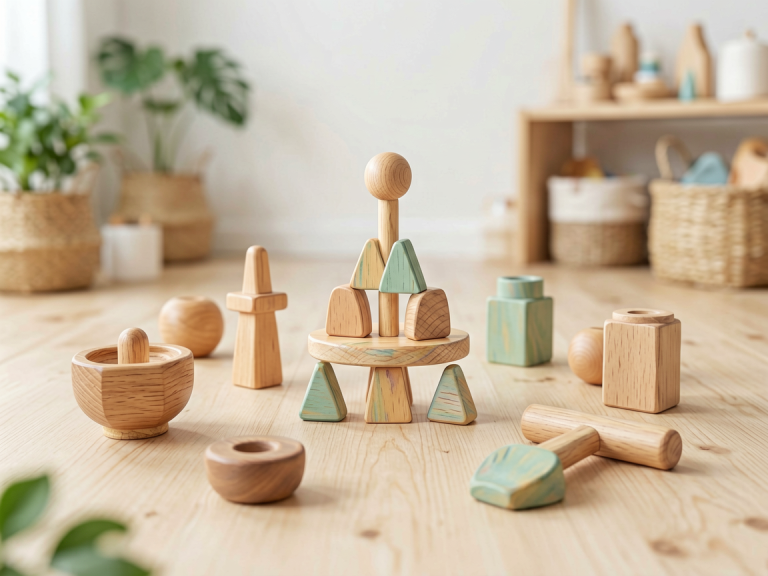
Look for toys that meet international safety standards (such as ASTM or CE marking). Choose brands known for quality and durable materials—wooden toys, for example, often outlast plastic ones and are less likely to splinter if made well. Check for loose parts, secure battery compartments, and non‑toxic finishes. If the toy requires assembly, follow instructions carefully to ensure stability. For infants and toddlers, always avoid toys with strings longer than 12 inches, which pose strangulation risks.
—
Mistake #5: Prioritizing Electronic Over Classic
In the digital age, flashy electronic toys with lights, sounds, and screens are often the first choice. While they can be entertaining and educational, they also have downsides: they can overstimulate, reduce imaginative play, and contribute to screen addiction. Many classic toys—building blocks, dolls, art supplies, and puzzles—encourage creativity, problem‑solving, and social interaction in ways that electronic gadgets cannot replicate.
How to Avoid It:
Balance is key. If you do choose an electronic toy, make sure it has an “off” switch and is used in moderation. Better yet, consider hybrid toys that combine physical play with minimal technology, such as a musical instrument that lights up when touched, or an interactive storybook that reads aloud. For the core gift, lean toward open‑ended toys that can be used in multiple ways—like a set of magnetic tiles or a dollhouse. These classics never go out of style and foster endless creativity.
—
Mistake #6: Forgetting the “Longevity” Factor
Many toys are designed to be trendy—think movie‑themed action figures or fidget spinners—but their appeal fades quickly. A child might obsess over a character for a month, then abandon the toy entirely. Investing in a toy that has a short lifespan is both environmentally and financially wasteful.
How to Avoid It:
Look for toys that promote long‑term engagement. Building sets (like LEGO or magnetic blocks) can be reconfigured in countless ways, growing with the child. Art supplies, science kits, and board games also offer replay value. Another strategy is to choose toys that can be shared with siblings or friends, encouraging social play that extends their life. If you must buy a popular character toy, pair it with a more durable, open‑ended item to balance the gift.
—
Mistake #7: Ignoring the Parents’ Wishes
Parents are the primary gatekeepers of the home environment. They have a clear idea of what toys would be welcome—or irritating. A loud drum set or a messy slime kit might be a child’s dream but a parent’s nightmare. Similarly, a toy that takes up too much space or requires constant supervision can strain household harmony.
How to Avoid It:
Before making a purchase, subtly ask the parents what they would appreciate. For example, “Does your child have a favorite toy brand? Is there anything you’d prefer not to get?” Many parents will appreciate the consideration. If you want to surprise the child, choose a toy that is easy to clean, relatively quiet, and compact. Alternatively, consider a gift certificate to a toy store or an online educational toy subscription, allowing the family to decide what fits best.
—
Mistake #8: Overlooking the Emotional and Social Benefits
Toys are not just objects—they are tools for emotional growth. A child might need a doll to role‑play nurturing, a set of action figures to act out stories, or a board game to learn turn‑taking. Unfortunately, many buyers focus solely on entertainment value and miss the chance to support social‑emotional development.
How to Avoid It:
Think about the child’s current life stage. Are they learning to share? Choose cooperative board games. Are they dealing with a new sibling? A doll or stuffed animal can help them practice caregiving. Are they shy? Puppets or dress‑up costumes can encourage self‑expression. By selecting toys that address emotional needs, you not only entertain but also nurture the child’s inner world.
—
Mistake #9: Rushing the Choice
A birthday often sneaks up on us, leading to last‑minute shopping. Under time pressure, we grab the first shiny toy we see, often overpaying or settling for a less‑than‑ideal option. This results in a gift that feels impersonal and may even duplicate something the child already owns.
How to Avoid It:
Plan ahead. Start brainstorming at least three weeks before the birthday. Use this time to research, talk to the child, and compare prices. Create a shortlist of two or three carefully chosen items. If you are unsure, you can always ask the child directly (but subtly) or check their wish list. A well‑thought‑out gift shows that you care, and the child will feel that love.
—
Mistake #10: Overvaluing “Educational” Labels
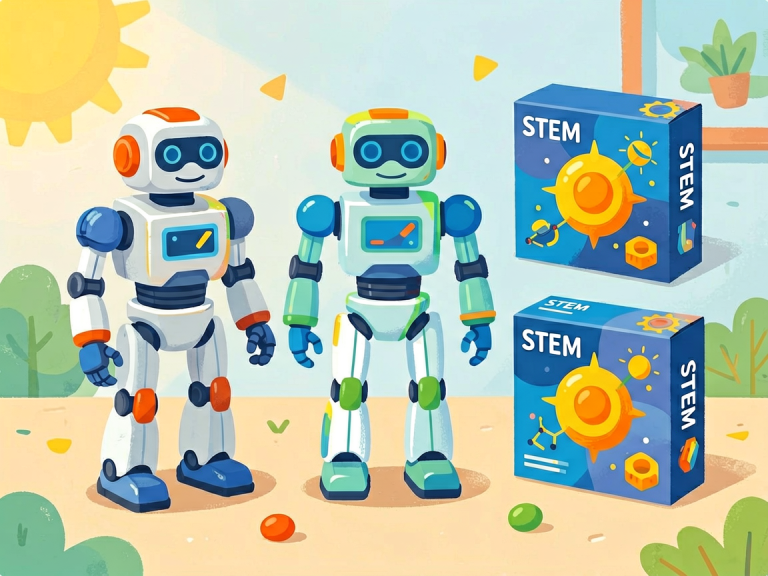
“Educational toy” is a marketing buzzword that can be misleading. A toy labeled “STEM” might promise hours of learning, but if it’s too complex or boring, a child will quickly lose interest. Conversely, a simple toy like a ball or a jump rope can teach physics, coordination, and exercise—without any fancy branding.
How to Avoid It:
Evaluate the toy on its content, not its label. Does it encourage active participation rather than passive consumption? Does it allow for open‑ended exploration? A truly educational toy should be fun first and educational second. For example, a cardboard box can be more educational than an expensive electronic toy because a child can turn it into a spaceship, a fort, or a car. Trust your instincts and observe what naturally engages the child.
—
Conclusion: A Thoughtful Gift Is a Gift of Love
Planning a birthday toy doesn’t have to be stressful. By avoiding these common mistakes—rushing, ignoring interests, prioritizing quantity over quality, and forgetting safety or parents’ preferences—you can choose a gift that brings genuine joy and lasting value. Remember, the goal is not to buy the most expensive or popular toy, but to show the child that you understand and care about who they are. A well‑chosen toy becomes a conduit for cherished memories, creative adventures, and quiet moments of learning.
Next time you prepare for a birthday party, take a deep breath. Step back from the store shelves overflowing with flashing plastic and instead focus on the child’s unique spark. With a little thought and empathy, your gift will be the one they remember long after the birthday candles have been blown out. And that is the greatest gift of all.