The Complete Playroom Plan Checklist: Designing a Safe, Functional, and Fun Space for Kids
Creating a playroom that truly works for both children and parents requires more than just throwing toys into a spare room. A well-planned playroom can foster creativity, encourage independence, and minimize daily messes—but only if you approach the project with a systematic checklist. This comprehensive guide will walk you through every critical step, from assessing your space to selecting the final decorative touches. Whether you are converting a basement, repurposing a guest bedroom, or carving out a corner of the living room, this playroom plan checklist ensures nothing is overlooked.
Step 1: Assess Your Space and Set a Budget
Before you buy a single storage bin or paint sample, take a long, honest look at the room you intend to transform. Measure the length, width, and ceiling height, and note the location of windows, doors, electrical outlets, and any built-in features. These dimensions will dictate furniture size, traffic flow, and even the type of light you can expect. Next, determine a realistic budget. Factor in costs for paint, flooring, furniture, storage systems, safety equipment, and décor. Remember to set aside 10–15% of your total budget for unexpected expenses, such as fixing uneven floors or adding extra shelving. A clear financial boundary will keep your project on track and prevent last-minute impulse purchases that compromise the room’s functionality.
Step 2: Define the Playroom’s Purpose and Age Range
A playroom designed for a toddler looks vastly different from one meant for a tween. Begin by clarifying who will use the space and how they will use it. Will it serve as a quiet reading nook for a preschooler, an arts-and-crafts hub for school-age children, or a multipurpose area for siblings of different ages? List the primary activities: imaginative play, building blocks, board games, art projects, music, or even physical movement like climbing or dancing. This purpose-driven approach ensures that every element you add—from the height of the shelves to the type of flooring—supports the intended use. If multiple age groups are involved, consider zoning the room (covered later in this checklist) so each child has a dedicated area that meets their developmental needs.
Step 3: Safety First – Key Considerations
Safety is non-negotiable in any playroom, especially for younger children. Start by anchoring all heavy furniture—bookshelves, dressers, and TV stands—to the wall using anti-tip brackets. Cover electrical outlets with tamper-resistant plates or sliding covers. Inspect windows: ensure cords from blinds or curtains are out of reach, and install window guards if the room is above the first floor. Check for sharp corners on tables or countertops; consider adding soft corner guards. If you have a door, install a child-proof lock or a door stopper to prevent slammed fingers. For toys, vet every item for choking hazards, toxic materials, and small magnets. Finally, create a clear emergency plan: post a list of emergency numbers and make sure the room has a functional smoke detector and a clear path to an exit.
Step 4: Storage Solutions for Maximum Organization
A clutter-free playroom is a safe and inviting playroom. Begin by categorizing toys into groups: building toys, puzzles, art supplies, ride-on vehicles, dress-up costumes, and so on. Then choose storage that matches both the child’s age and the available space. Open bins and low shelves work best for toddlers who need to see and reach their toys independently; clear containers make it easy to locate items without dumping everything out. For older children, consider labeled cubbies, pegboards for art supplies, and wall-mounted shelves for books. Avoid over-stuffing—a good rule is to keep only the toys that are actively used and rotate the rest in and out of storage. Incorporate a “return to home” system: assign a specific spot for each item and teach children to put things away after play. This not only teaches responsibility but also extends the life of the toys.
Step 5: Furniture and Layout Planning
Once storage is decided, plan the furniture layout with traffic flow in mind. Leave at least two to three feet of open space in the center of the room for active play. Position seating areas (small chairs, floor cushions, or a child-sized sofa) near windows for natural light, but avoid placing furniture directly under windows where children could climb. If the room includes a reading nook, add a beanbag or a soft rug with a bookshelf alongside. For art or activity tables, choose surfaces that are easy to clean (laminate, melamine, or washable vinyl) and at a height appropriate for the child’s standing or seated posture. Remember to incorporate a parent-friendly zone—a comfortable chair or a small desk where an adult can supervise or join the fun without crouching on the floor.
Step 6: Flooring and Wall Treatments
Flooring takes the most abuse in a playroom, so durability and ease of cleaning are paramount. Carpet offers cushioning for falls but stains easily; if you choose carpet, opt for a short-pile, stain-resistant variety and use washable rugs in high-traffic areas. Hard surfaces like laminate, luxury vinyl plank, or sealed cork are excellent choices because they clean quickly and resist damage from spilled glue or marker caps. For extra comfort, layer a thick, non-slip play mat or interlocking foam tiles over the hard floor. On the walls, consider a semi-gloss or satin paint finish that wipes clean. Or go even further: install a chalkboard wall, a magnetic whiteboard, or a peel-and-stick mural that transforms the room’s energy. Avoid wallpapers that are difficult to repair if torn.
Step 7: Lighting and Electrical Safety
Proper lighting affects mood, safety, and the ability to focus. Maximize natural light during the day—sheer curtains or blinds that block UV rays while letting in daylight are ideal. For overhead lighting, choose fixtures with diffusers to reduce harsh glare. Avoid dangling cords or heavy pendant lamps that a child could pull. Instead, install flush-mount ceiling lights or track lighting. Add task lighting for specific activity zones: a small desk lamp for art, a dimmable wall sconce for a reading nook, and nightlights along baseboards for late-night bathroom trips. Remember to secure all electrical cords against baseboards or use cord covers. Keep power strips out of reach or enclose them in cord boxes. If you plan to have electronics like a tablet or a small TV, mount them securely and hide all wires.
Step 8: Incorporate Zones for Different Activities
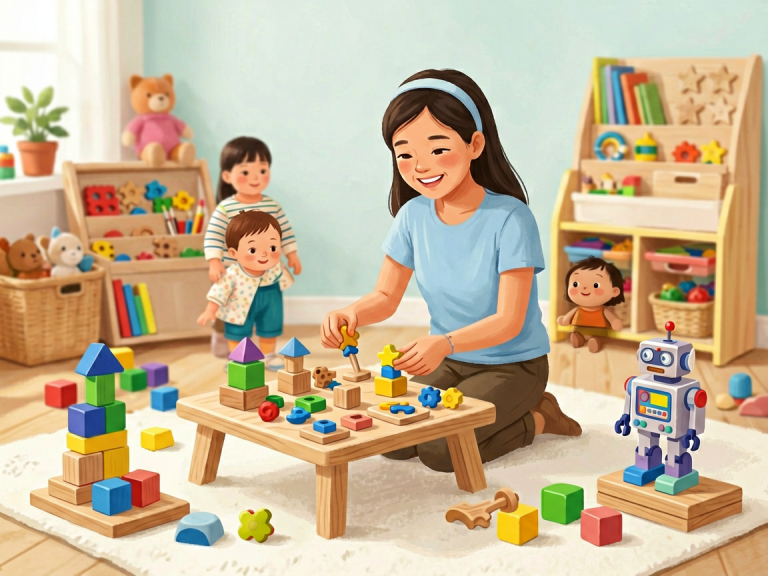
One of the most effective strategies for a successful playroom is creating distinct zones that support different types of play. A typical layout might include: a quiet zone with books, puzzles, and soft seating; a creative zone with an art table, easel, and supplies stored nearby; a building zone with blocks, LEGO tables, and floor mats; and a dramatic play zone with a play kitchen, costumes, or a puppet theater. Clearly define each zone using rugs, low room dividers, or changes in flooring material (e.g., a soft rug in the quiet area vs. a wipe-clean mat in the art zone). Label each zone with pictures or words so children can learn to self-regulate and transition between activities. This structure mimics the Montessori philosophy and encourages focused, independent play.
Step 9: Choose Durable and Washable Materials
Children are messy by nature, so every material in the playroom should be chosen for resilience. Look for furniture with rounded edges, solid wood or high-quality MDF construction, and finishes that resist scratches and moisture. For upholstery, select fabrics labeled “stain-resistant” or “easy-clean,” such as microfiber, crypton, or outdoor fabrics. Avoid light-colored linens that show every crayon mark. For art supplies, invest in washable paints, markers, and glue. For the floor, ensure any rug is machine washable or spot-cleans easily. Even the walls can be protected: install a chair rail or wainscoting in the lower half of the room so sticky fingers and scuff marks are easier to wipe away. Remember that durability also means longevity—choose classic designs and neutral bases that can adapt as the child grows, rather than trendy themes that will need replacement in a year.
Step 10: Personalize with Decor and Theme
Once the structural and safety elements are in place, it’s time to add personality. Involve your child in the decorating process—let them choose a color palette, pick out wall art, or decide on a theme (space, jungle, fairy tale, or simply rainbow). However, keep the theme flexible. Instead of a permanent mural that limits future changes, use removable wall decals, themed fabric curtains, and interchangeable accessories like throw pillows or rugs. Display the child’s own artwork in inexpensive frames or on a gallery wall with clip frames that allow easy swaps. Add a few plants (child-safe and non-toxic) for a touch of nature. Finally, include a special “welcome” sign or a name banner above the door to make the space feel truly theirs. The goal is to create a room that sparks joy and imagination without overwhelming the senses.
Final Checklist: Before You Declare the Playroom Complete
Before you officially open the playroom, run through this quick final audit:
- All heavy furniture anchored to walls
- Outlets covered and cords secured
- Toys sorted and stored in accessible bins
- Flooring clean and non-slip
- Lighting bright but not harsh
- Zones clearly defined with visual cues
- Emergency numbers posted and smoke detector working
- A clean-up routine established with your child
- A small first-aid kit stored out of reach but accessible to adults
A well-planned playroom is not just a place to keep toys—it is an environment that nurtures growth, independence, and creativity. By following this comprehensive checklist, you will avoid common pitfalls, save money, and create a space that both you and your children will love for years to come. Happy planning