The Ultimate Holiday Toy Plan Checklist: Your Guide to Stress-Free Gifting
The holiday season is a time of joy, family, and—let’s be honest—a fair amount of shopping chaos. For parents, grandparents, aunts, and uncles, finding the perfect toy for the little ones in your life can quickly turn from a heartwarming mission into a frantic last-minute scramble. Whether you are navigating crowded stores or clicking through endless online listings, having a clear, organized plan is the difference between a memorable gift and a regrettable impulse buy. This is where a comprehensive holiday toy plan checklist steps in. By breaking down the process into manageable, thoughtful steps, you can ensure that every present you choose brings genuine happiness, fosters development, and fits seamlessly into your family’s lifestyle. In this article, I will walk you through a ten-point checklist designed to cover everything from budgeting to post-holiday storage, so you can approach your holiday toy shopping with confidence, clarity, and a touch of festive cheer.
—
1. Set a Realistic Budget and Stick to It
Before you even browse a single toy catalog, establish a firm budget. Holiday spending can easily spiral out of control, especially when you see children’s eyes light up at a flashy advertisement. Start by determining the total amount you’re willing to spend on toys this season. Then, allocate a portion for each child or recipient. Remember to factor in hidden costs: shipping fees, gift wrapping supplies, batteries, and assembly tools. A helpful trick is to use the “one-for-them, one-for-me” rule: for every high-ticket item you buy for a child, consider balancing it with a smaller, more affordable gift. This prevents financial strain while still delivering a meaningful haul. Use a simple spreadsheet or a budgeting app to track every purchase. When you hit your limit, stop. The best gift is one that doesn’t come with a side of guilt.
—
2. Know the Recipient: Age, Interests, and Needs
A toy that delights a four-year-old may bore a ten-year-old, and a gift that seems cool to you might miss the mark entirely. Create a “recipient profile” for each child on your list. Note their exact age, developmental stage, and any specific passions. Do they love dinosaurs, space, art, or building blocks? Are they an active kid who needs outdoor toys, or a quiet one who enjoys puzzles and books? Also consider practical needs: does the child have any allergies (to certain materials like latex or scents) or sensory sensitivities? For example, a child on the autism spectrum might prefer soft, textured toys over loud, flashing ones. Take time to observe or ask parents discreetly. The more personal the gift, the more cherished it becomes.
—
3. Prioritize Safety and Quality
Nothing ruins the holiday spirit faster than a broken toy or a trip to the emergency room. When selecting toys, always check for safety certifications. In the United States, look for the ASTM (American Society for Testing and Materials) label or the CPSC (Consumer Product Safety Commission) compliance mark. For European markets, the CE mark is standard. Avoid toys with small parts for children under three years old, as these pose choking hazards. Check for sharp edges, toxic paints, or loose strings that could entangle. Quality matters too: a cheaply made toy may break within days, causing disappointment and waste. Read user reviews, especially those that mention durability. For wooden or plush toys, ensure they are free from lead and phthalates. Your checklist should include a quick safety scan before any purchase.
—
4. Consider Educational and Developmental Value
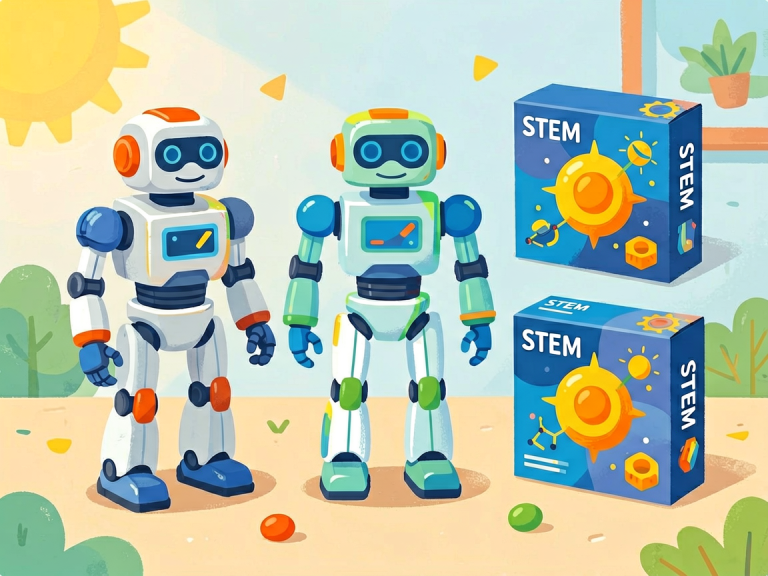
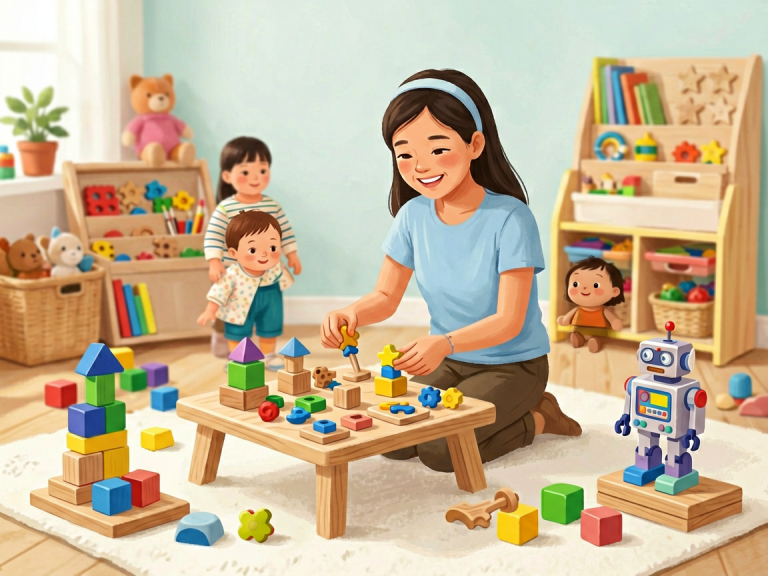
Great toys are not just fun—they also teach. When building your holiday toy plan, ask yourself: what skills does this toy encourage? Does it promote problem-solving (puzzles, construction sets), creativity (art supplies, musical instruments), physical activity (bikes, jump ropes), or social interaction (board games, role-play sets)? Open-ended toys—like building blocks, magnetic tiles, or play dough—offer the most long-term value because they adapt to a child’s growing imagination. For school-aged children, consider STEM kits, coding toys, or science experiment sets that make learning feel like play. Remember that the best educational toys are those that spark curiosity without feeling like a homework assignment. Balance screen-based toys (tablet games, interactive robots) with hands-on, tactile options to ensure a well-rounded play experience.
—
5. Think About Sustainability and Ethics
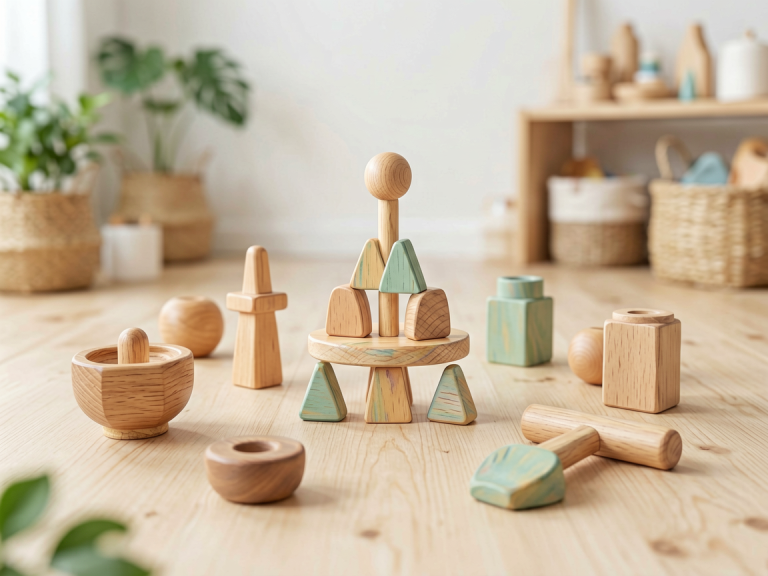
In an era of climate awareness, many families are shifting toward more sustainable gift-giving. Your holiday toy checklist can include eco-friendly choices without sacrificing fun. Look for toys made from sustainable materials: wood from certified forests, organic cotton, recycled plastics, or natural rubber. Avoid excessive plastic packaging and single-use batteries. Choose toys that can be passed down or sold second-hand after use—durability is key. Additionally, consider the ethics of the manufacturers. Are they known for fair labor practices? Do they donate a portion of profits to children’s charities? Supporting brands with transparent supply chains reinforces positive values. Another sustainable option is to gift “experiences” instead of physical items—like a class pass to a pottery studio, a zoo membership, or tickets to a children’s theater. These create memories without adding clutter.
—
6. Plan for Storage and Organization
A toy is only as good as its ability to be stored neatly and accessed easily. After the holiday frenzy, parents often struggle with an avalanche of new toys that don’t fit in existing bins. When you select gifts, think about their physical footprint. Will the toy require a dedicated shelf, a corner of the living room, or a large box in the garage? If space is limited, favor compact toys or those that can be disassembled and stored flat. Also consider the organization system: label bins by category (building toys, art supplies, vehicles) and include the child’s name if multiple kids share. Some parents find it helpful to follow the “one in, one out” rule: for each new toy that arrives, an old or outgrown one is donated or recycled. Include storage bins, shelf dividers, or a toy chest as part of your gift list. The gift of organization is truly a gift to the whole household.
—
7. Create a Shopping Timeline
Procrastination is the enemy of a thoughtful holiday toy plan. Start your shopping early—ideally by mid-November—to avoid supply chain delays and holiday markups. Break your shopping into phases: Phase 1 (early November) for researching and making a final list; Phase 2 (mid-November to early December) for ordering online and visiting local stores; Phase 3 (mid-December) for any last-minute items or replacements. Be aware of shipping deadlines for each retailer, especially if you are ordering personalized or custom toys. Some high-demand items sell out weeks before Christmas, so prioritize the “must-have” gifts first. If you are shopping in physical stores, go on a weekday morning to avoid crowds. For online shopping, use price-tracking tools to snag deals. A timeline also gives you buffer time to handle returns if a toy arrives damaged or unsuitable.
—
8. Track Your Purchases—Avoid Duplicates and Overspending
It sounds simple, but many holiday toy planners end up buying two of the same item or forgetting who got what. Use a simple tracking method: a notebook, a digital document, or a dedicated app (like Trello or Google Keep). For each child, list: the toy name, price, store, purchase date, intended wrapping method, and whether batteries or accessories are included. Update the list immediately after each purchase. This prevents the awkward moment when two relatives buy the same Lego set. It also helps you stay within your budget—you can see at a glance exactly how much you’ve spent. For families with multiple children, color-coding by child can be a lifesaver. At the end of the shopping phase, double-check your list against your initial budget and recipient profiles.
—
9. Prepare for Wrapping and Gifting Logistics
Once your toys are purchased, the work isn’t over. Plan how you will wrap and present them. Consider the size and shape of each toy: oddly shaped items (like basketball hoops or dolls in large boxes) may require special wrapping techniques, gift bags, or even leaving them unwrapped with a bow. Gather all wrapping supplies in advance: wrapping paper (recyclable or reusable), tape, scissors, gift tags, and ribbons. For families with young children, label each gift clearly to avoid confusion on Christmas morning. If you have multiple gift-givers (Santa, parents, grandparents), use different wrapping paper themes to differentiate. Also, prepare a “just-in-case” kit: extra batteries (in all required sizes), a small screwdriver for assembling toys, and a pair of scissors. This kit ensures that when the child tears open the gift, it’s ready to play—no frustrating delays.
—
10. Post-Holiday Evaluation and Donation Plan
The holiday isn’t over when the wrapping paper is cleaned up. A smart toy plan includes a post-holiday review. A few days after the festivities, sit down with your children (or simply assess on your own) to see which toys are being used and which are gathering dust. This isn’t about criticizing gifts—it’s about understanding what truly engages the child. Take note of the toys that sparked the most creative play, and consider donating or regifting those that were not a hit. Many charities accept gently used toys year-round, so you can give them a second life. Also, use this evaluation to inform your next holiday shopping. If a certain type of toy (like board games) was a big hit, you can focus on similar items next year. Finally, update your storage system based on what toys survived the holiday—rotate out older toys to keep the collection fresh and manageable.
—
Conclusion
Crafting a thoughtful holiday toy plan is not about perfection—it’s about intentionality. By following this holiday toy plan checklist, you move from panic buying to purposeful gifting. You ensure that every toy you choose aligns with your budget, reflects the child’s unique personality, prioritizes safety, and supports their growth. You also reduce waste, organize your home, and create a calmer, more joyful holiday experience for everyone involved. Remember: the goal is not to fill a room with plastic, but to fill the child’s heart with wonder. So take a deep breath, grab your checklist, and enjoy the process of giving toys that will be loved, played with, and remembered for years to come. Happy holidays—and happy shopping!