Crafting the Perfect Holiday Toy Plan: A Step-by-Step Guide for Parents and Gift-Givers
Introduction
The holiday season often arrives with sparkle, joy, and a fair amount of stress—especially when it comes to choosing toys for children. Between hectic shopping schedules, overinflated expectations, and the endless aisles of options, many parents find themselves making last‑minute, impulse purchases that lead to disappointment or clutter. A well‑thought‑out holiday toy plan can transform this experience from chaotic to calm. By approaching toy selection with intention, you can ensure that each gift brings genuine delight, supports a child’s development, and stays within budget. This article outlines a comprehensive, step‑by‑step strategy to help you create a holiday toy plan that works for every family.
1. Understanding the Needs and Wishes of the Child
The foundation of any successful toy plan begins with the child. Before you even open your wallet, spend some time observing or talking to the child about what excites them. Young children often give clues through their play—do they gravitate toward building blocks, art supplies, or pretend‑play costumes? Older children might drop hints about the latest video game, a science kit, or a sports accessory.
Why this matters: A toy that aligns with a child’s genuine interests will be played with more often and for longer periods. It also helps avoid the disappointment of a gift that sits untouched after the first day. For babies and toddlers, focus on toys that stimulate sensory development and motor skills. For school‑age children, consider their hobbies, school projects, and social trends. If you are unsure, a gentle conversation (“What’s the one thing you wish you could have this year?”) can yield honest and useful answers.
2. Setting a Realistic Budget and Sticking to It
Holiday spending can easily spiral out of control, especially when emotional pressure or “deal” advertisements kick in. A clear budget is your anchor. Divide your total toy spending into categories: main gifts, stocking stuffers, and perhaps a group gift from extended family.
Practical tips:
- Decide on a maximum total amount before you start shopping.
- Use a spreadsheet or a simple notebook to track each purchase.
- Remember that kids often appreciate experiences just as much as objects—a toy plan can include an outing, a subscription box, or a DIY craft session.
- Factor in hidden costs like batteries (many toys require them) or assembly supplies.
Sticking to a budget doesn’t mean skimping on joy. It means making intentional choices that align with your financial reality, which ultimately teaches children healthier attitudes toward consumption and gratitude.
3. Researching and Prioritizing with Quality in Mind
Once you have a list of potential toys, research each option thoroughly. Read reviews from other parents, check safety ratings from organizations like the Consumer Product Safety Commission, and examine the product’s durability. Prioritize toys that offer open‑ended play—items that can be used in multiple ways, such as building sets, art materials, or dolls without preset scripts.
Key criteria to evaluate:
- Durability: Will it survive a few drops? Is it made of nontoxic materials?
- Interactivity: Does it require active participation (building, imagining, solving) rather than passive entertainment?
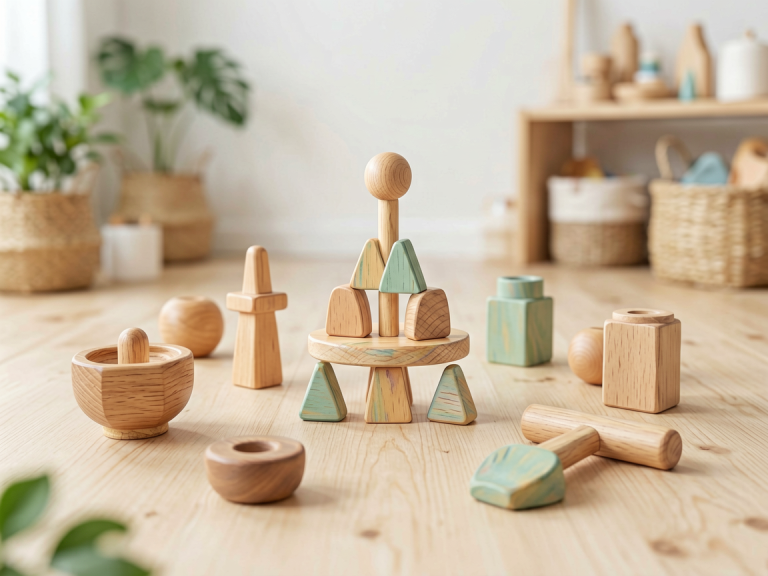
- Longevity: Can it be enjoyed beyond one holiday season? For example, a good set of wooden blocks can be used for years, whereas a cheap plastic toy might break in weeks.
- Educational value: Does it teach a skill—problem solving, creativity, teamwork—without feeling like homework?
By filtering your options through these lenses, you will reduce the risk of buying trendy but disposable items that end up in the donation bin by January.
4. Considering Age Appropriateness and Safety
A toy that is perfect for a ten‑year‑old can be dangerous for a three‑year‑old. Age labels on packaging are not arbitrary; they reflect small‑parts choking hazards, complexity of use, and cognitive demands. Always check the recommended age range, but also consider the individual child’s maturity and abilities.
Safety checklist:
- Avoid toys with small magnets, sharp edges, or long cords for children under three.
- For electronic toys, verify that batteries are secured in a compartment that requires a screwdriver to open.
- Look for certifications like ASTM (American Society for Testing and Materials) or CE (Conformité Européenne) marks.
- If the toy contains paint or plastic, ensure it is labeled “nontoxic” and “BPA‑free.”
A toy plan that prioritizes safety not only protects the child but also gives you peace of mind during the excitement of gift opening.
5. Incorporating Educational and Developmental Value
The best toys are those that teach while they entertain. A holiday toy plan should deliberately include at least a few items that promote growth in key areas: cognitive, physical, social, and emotional.
Examples by age group:
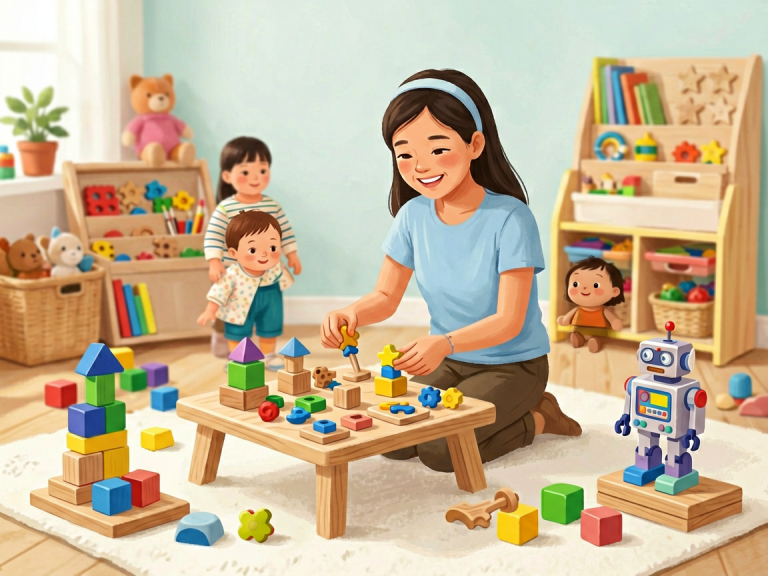
- Toddlers (1–3): Shape sorters, stacking rings, sensory balls, simple puzzles.
- Preschoolers (3–5): Pretend‑play sets (kitchen, doctor), building bricks, crayons and washable markers, board games that teach turn‑taking.
- School‑age (6–10): Science experiment kits, strategy board games, craft kits (knitting, beadwork), beginner musical instruments.
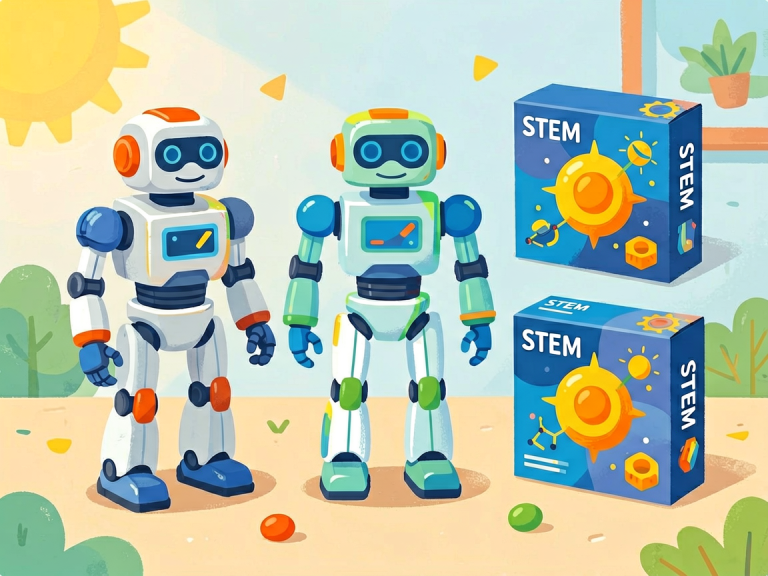
- Tweens and teens (11+): Coding robots, advanced building sets (LEGO Technic), art supplies like watercolor sets or clay, journaling materials.
Educational toys don’t have to be boring. Look for items that make learning feel like play—a microscope that lets kids explore backyard bugs, or a DIY volcano kit that creates a memorable afternoon.
6. Timing Your Purchases Strategically
The holiday shopping season is a minefield of markups and flash sales. A smart toy plan accounts for timing to maximize savings and reduce last‑minute panic.
Strategies:
- Start early (October–November): Many retailers offer early‑bird discounts. Create a list and watch for price drops.
- Avoid Black Friday chaos: While deals can be good, the frenzy often leads to impulse buys. If you do shop, stick to your list.
- Use price‑tracking apps: Services like CamelCamelCamel for Amazon can alert you when an item hits a historic low.
- Consider secondhand or “gently used” toys: Thrift stores, online marketplaces, and toy‑swap events can yield high‑quality toys for a fraction of the price. Just ensure they meet current safety standards.
By spreading purchases over several weeks, you also avoid shipping delays and out‑of‑stock heartbreaks.
7. Wrapping and Presentation – The Magic Factor
Presentation matters. Even the simplest toy can become magical if wrapped creatively. For younger children, consider leaving a few small clues or notes that build anticipation. For older kids, you might create a scavenger hunt leading to the main gift.
Packaging tips:
- Use reusable gift bags or fabric wraps to cut down on waste.
- Label each gift clearly to avoid mix‑ups on the big day.
- If the toy requires assembly (a bicycle, a dollhouse), put it together in advance, test it, and hide it until reveal time. Nothing kills holiday excitement like a half‑assembled gift and a missing screw.
The wrapping process is also an opportunity to reinforce the idea of giving: involve children in wrapping gifts for others, teaching them that the holiday spirit is about sharing joy, not just receiving.
8. Managing Expectations and Post‑Holiday Cleanup
Even the best toy plan can unravel if expectations are not managed. Talk to children ahead of time about the number of gifts they will receive and the importance of gratitude. If their “wish list” is long, explain that Santa (or parents) can only bring a few special items.
Post‑holiday steps:
- After gifts are opened, help children organize their new toys. Designate a “toy library” where old toys are rotated out to make room for new ones.
- Donate or recycle gently used toys that are no longer played with. This teaches environmental responsibility and generosity.
- Keep a digital or physical record of what you bought this year. Next holiday season, review that list to avoid duplicates and to see which toys truly had lasting value.
Conclusion
A holiday toy plan is more than a shopping list—it is a thoughtful framework that aligns your time, money, and values with the true spirit of the season. By understanding the child, setting a budget, prioritizing safety and education, timing your purchases, and managing the aftermath, you can create a holiday experience that is joyful, stress‑free, and meaningful. Remember: the goal is not to overwhelm with abundance but to delight with intention. When you plan with care, every gift becomes a little story of love and understanding.