The Ultimate Toy Plan Checklist: A Comprehensive Guide to Curating a Meaningful Toy Collection
Introduction
Every parent, caregiver, or even dedicated collector knows the struggle: toys multiply overnight like rabbits. What starts as a single stuffed bear or a set of building blocks soon becomes an avalanche of plastic, batteries, and mismatched pieces that spill out of baskets, hide under couches, and trip you in the dark. The solution is not to ban toys altogether—play is essential for development, creativity, and joy—but to approach toy acquisition and management with a deliberate plan. A toy plan checklist is a strategic framework that helps you evaluate, select, organize, and eventually retire toys in a way that aligns with your values, your child’s developmental stage, your budget, and your home’s physical space. This article will walk you through a seven‑step checklist, with actionable advice, research‑backed insights, and practical tips. By the end, you will be equipped to build a toy ecosystem that fosters deep play, reduces clutter, and saves money—all while ensuring that every toy in your home has a purpose.
Why You Need a Toy Plan
Before diving into the checklist, it is worth understanding why a formal plan matters. The average American family spends hundreds of dollars annually on toys, and many of those toys are played with for only a few weeks before being abandoned. Beyond financial waste, an overabundance of toys can actually hinder a child’s ability to focus and engage in sustained, imaginative play. Research from the University of Toledo found that toddlers in a playroom with fewer toys played for longer periods, showed more creativity, and displayed fewer distractions. A toy plan checklist addresses these issues by imposing intention: you stop buying on impulse, you rotate toys to keep them fresh, and you involve your child in the process of curation. Furthermore, a plan helps you resist marketing gimmicks and social pressure—because you have already defined what “good toys” mean for your family. Whether you are a minimalist parent, a Montessori enthusiast, or simply someone tired of stepping on LEGO bricks, this checklist is your roadmap.
Step 1: Assess Needs and Interests
The foundation of any toy plan checklist is a clear understanding of who you are buying for. Begin by observing the child (or the collector) in their natural environment. What do they gravitate toward? Do they love building towers, dressing up, drawing, or solving puzzles? Are they a solo player or a social player? For infants and toddlers, look for sensory exploration—items that engage touch, sound, and sight. For preschoolers, pretend play and simple construction sets are crucial. For school‑age children, consider hobbies: science kits, art supplies, strategy games, or sports equipment.
Create a simple list under two columns: “Current Obsessions” and “Emerging Interests.” If your child has suddenly taken an interest in dinosaurs, note it. If they seem bored with their train set, that is a signal for rotation or retirement. This assessment should also consider developmental milestones. A toy that is too advanced will frustrate; one that is too simple will bore. Check age recommendations on packages, but remember they are guidelines, not rules. Your personal observations are more reliable.
Finally, consider the child’s temperament. A highly active child might need more gross‑motor toys like a balance bike or a trampoline, while a quiet, thoughtful child might thrive with a microscope or a set of wooden tangrams. By aligning your toy plan with genuine interests and developmental needs, you ensure that every purchase has a high probability of being loved—and played with.
Step 2: Set a Budget and a Cap
Money is a finite resource, and toys have a way of draining it if you do not set boundaries. A toy plan checklist must include a realistic budget. Decide how much you are willing to spend per month or per quarter. This does not mean you cannot splurge on a birthday or holiday—it simply means you have a baseline for everyday purchases. A useful rule is the “one in, one out” policy: for every new toy that enters the home, a similar toy must leave. This keeps both your wallet and your space in check.
Beyond the monetary budget, set a cap on the total number of toys. This can be based on storage capacity or a philosophy like the “20‑toy rule” (limit the child to 20 toys at a time, not counting small accessories). While it sounds extreme, many parents report that a strict limit fosters gratitude and deeper engagement. When children have fewer options, they invent more uses for each item. Write down your cap and commit to it. If a new toy arrives (say, from a grandparent), your child must choose something to donate or store away. This teaches decision‑making and empathy—and prevents the toy mountain from growing.
Step 3: Research Quality, Safety, and Longevity
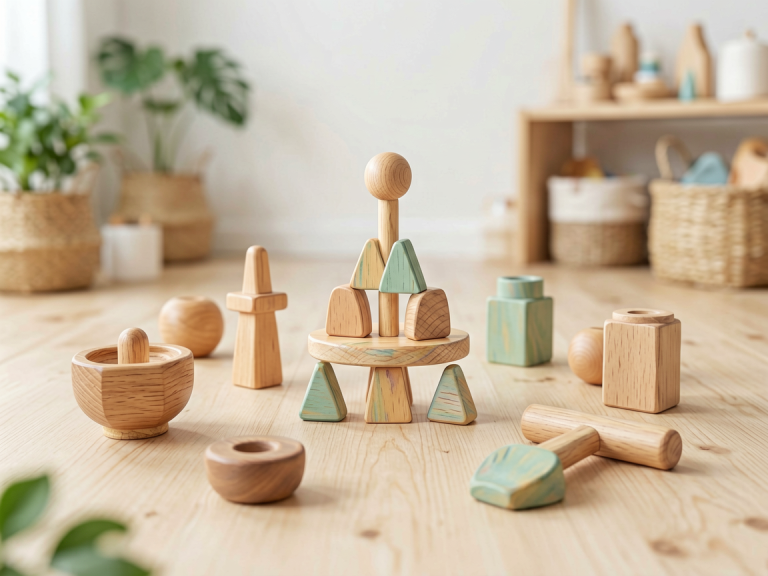
Not all toys are created equal. The next step in your checklist is to evaluate potential purchases against three criteria: quality, safety, and longevity. Quality means materials that can withstand rough play—solid wood rather than flimsy plastic, sturdy stitching, non‑toxic paints. Safety is non‑negotiable: check for choking hazards (small parts for children under 3), sharp edges, phthalates, and BPA. Look for certifications like ASTM (American Society for Testing and Materials) or CE marks for European markets. Also consider the toy’s “open‑endedness.” A toy that can be used in multiple ways—like a set of wooden blocks, a dollhouse, or a collection of magnet tiles—will last for years because it adapts to the child’s changing imagination. In contrast, a battery‑operated toy that only does one thing (make a sound, move a limb) often loses appeal quickly.
Longevity also involves durability. Can it be washed? Are replacement parts available? Will the toy survive a toddler’s throw or a drop off the table? If possible, read reviews from other parents or check second‑hand marketplaces to see if the toy holds up over time. Investing in high‑quality, open‑ended toys might cost more upfront, but they save money in the long run because you won’t need to replace them every few months. Add each new toy to your checklist’s “Evaluation Table” where you rate it on a scale of 1‑5 for these factors before purchase.
Step 4: Consider Educational and Developmental Value
Every toy teaches something—even if it’s just hand‑eye coordination during a game of catch. But intentionality elevates play. On your toy plan checklist, include a column for “developmental domain”: cognitive, motor, language, social‑emotional, or creative. A wooden puzzle develops fine motor skills and problem‑solving. A play kitchen encourages pretend play and social scripts. Craft supplies spark creativity. Board games teach turn‑taking and emotional regulation. Books (yes, they count as toys too) build language and pre‑reading skills.
However, beware of toys that claim to be “educational” but actually offer little more than a screen or a song played on repeat. True educational value comes from interactivity, challenge, and the opportunity for trial and error. For example, a simple set of pattern blocks can teach geometry, symmetry, and creativity far beyond a noisy electronic tablet. Ask yourself: does this toy encourage the child to think, create, or problem‑solve, or does it merely entertain? If it’s purely passive, reconsider. Also, remember that children learn through free play—not through structured lessons disguised as toys. So prioritize toys that invite exploration rather than prescribed outcomes.
Step 5: Plan for Storage and Rotation
You’ve assessed, budgeted, and selected. Now you must think about where these toys will live. A critical part of the toy plan checklist is a storage strategy that makes it easy for children to access toys independently and clean up after themselves. Use low, open shelving with bins that are labeled with pictures (for pre‑readers) or words. Rotate toys every two to four weeks: store half the collection in a closet or basement, and swap them out. This rotation trick keeps toys feeling “new” without buying anything. It also reduces visual clutter and helps children focus.
When planning storage, consider the toy’s size. A large play kitchen may need a dedicated corner; small action figures can fit in a shallow drawer. Use clear bins for small parts so kids can see what’s inside without dumping everything. Avoid deep toy chests where items pile up and become forgotten. Also, allocate a space for “incomplete” toys—puzzles missing a piece, games with missing cards—and decide once a month whether to fix them or discard them. By integrating storage into your toy plan from the start, you prevent the post‑holiday chaos that often leads to buyer’s remorse.
Step 6: Incorporate Sustainability and Ethics
Modern consumers are increasingly aware of the environmental and social impact of their purchases. Your toy plan checklist can include a sustainability filter. Look for toys made from renewable materials—wood, organic cotton, bamboo, recycled plastics. Avoid excessive packaging; many toys come in large boxes with plastic ties and inserts that go straight to the trash. Support brands that use ethical labor practices and give back to communities. While this might require extra research, it aligns your family’s values with your spending.
Furthermore, consider the lifecycle of each toy. Can it be passed down to siblings, donated, or repurposed? Buy second‑hand when possible—thrift stores, online marketplaces, and hand‑me‑downs are treasure troves for quality toys at a fraction of the cost. Not only is this eco‑friendly, but it also teaches your child that value is not tied to newness. Document on your checklist which toys can be responsibly disposed of and which should be kept for sentimental reasons.
Step 7: Create a Gift‑Giving Strategy
One of the biggest sources of toy overflow is gifts from well‑meaning relatives and friends. A toy plan checklist is incomplete without a strategy for managing incoming toys. Communicate with extended family early. You can tactfully suggest specific items from your child’s “wish list” (curated through your checklist) or ask for consumable gifts like art supplies, craft kits, or experiences (zoo passes, music lessons). Create an Amazon wish list or a simple shared note with links.
When a gift arrives that does not fit your toy plan, do not feel obligated to keep it. Thank the giver sincerely, but quietly put the item in a “waiting zone” for a week. If the child shows no interest, consider donating it or regifting it (if appropriate). You can also use the “one in, one out” rule: the new toy replaces an old one, which you donate together with your child. Frame this as a positive act: “We want other children to have fun too.” This teaches generosity and avoids the guilt of rejecting a gift.
Conclusion
A toy plan checklist is not about being rigid or joyless—it is about reclaiming your home, your budget, and your child’s capacity for deep, meaningful play. By following these seven steps—assessing needs, setting a budget, researching quality, evaluating educational value, planning storage, considering sustainability, and managing gifts—you transform toy chaos into a curated collection that sparks creativity, reduces waste, and brings genuine delight. Remember that the checklist is a living document; revisit it every season or whenever your child hits a new developmental stage. Toys are meant to be enjoyed, not hoarded. With a clear plan in hand, you can ensure that each toy in your home earns its place, and that playtime remains a source of wonder rather than stress. So grab a notebook, start your own toy plan checklist today, and watch the clutter melt away—along with the guilt of mindless buying. Your child (and your floor space) will thank you.