The Ultimate Playroom Plan for Parents: Designing a Space That Grows With Your Child
Introduction: Why Every Parent Needs a Thoughtful Playroom Strategy
Creating a playroom is one of the most exciting yet daunting tasks for any parent. It’s not just about throwing together a few toys and calling it a day. A well-designed playroom can foster creativity, independence, learning, and even emotional regulation in children. For parents, it can mean the difference between a chaotic, cluttered living room and a peaceful home where kids have their own space to explore. But where do you start? With countless options, trends, and advice, a solid plan is essential. This article offers a comprehensive playroom plan for parents, covering everything from layout and safety to storage and age-appropriate design. Whether you’re renovating a spare room, converting a basement, or simply carving out a corner in a shared space, these strategies will help you create a playroom that works for both children and adults.
Step One: Assessing Your Needs and Space
Understanding Your Child’s Age and Interests
The first step in any playroom plan is to consider the child or children who will use it. A playroom for a toddler is vastly different from one designed for a school-aged child. Toddlers need safe, low-to-the-ground surfaces, soft materials, and toys that encourage sensory exploration. Preschoolers thrive on imaginative play, art stations, and simple building blocks. Older children may want spaces for homework, board games, or technology. If you have children of different ages, aim for a “zoning” approach that separates active and quiet areas. Also, consider your child’s personality: an introverted child might appreciate a cozy reading nook, while an extroverted child might need a larger open area for group play.
Measuring and Mapping the Room
Before buying anything, measure your available space. Draw a simple floor plan to scale, noting windows, doors, electrical outlets, and any built-in features like radiators or closets. This map will be your guide for furniture placement, traffic flow, and safety considerations. Pay attention to natural light: playrooms with ample daylight are more inviting and can reduce eye strain during crafts or reading. If the room is small, think vertically—use wall shelves, hanging storage, and lofted beds for sleepover areas if the room doubles as a guest space. Remember that children need room to move; a cramped playroom can lead to frustration instead of fun.
Safety First: Non-Negotiable Elements
Childproofing from Floor to Ceiling
Safety is the foundation of any playroom plan. Start with the floor: choose soft, non-toxic materials like cork, rubber mats, or thick carpet with a low pile to prevent tripping. Avoid hard surfaces that can be slippery or cause injury during falls. Install corner guards on sharp furniture edges, secure bookshelves and heavy cabinets to the wall with anti-tip straps, and cover electrical outlets with safety plugs. Windows should have locks or guards, especially if the playroom is above the ground floor. Cordless blinds are essential to eliminate strangulation hazards. Also, check for lead paint if your home is older, and ensure all paints, glues, and finishes used in the room are non-toxic and certified for children.
Toy and Equipment Safety
Not all toys are created equal. Inspect every item you bring into the playroom for small parts that could be choking hazards, sharp edges, or toxic materials. For babies and toddlers, avoid toys with long cords or strings. For older children, ensure that art supplies, like markers and glues, are labeled as non-toxic. If you include a climbing structure, slide, or swing, make sure it is installed according to manufacturer instructions and that the floor underneath is cushioned. Also, consider the weight limits of furniture—a child’s table and chairs should be sturdy enough to support adult weight if a parent sits down to play.
Designing for Function and Flow
Creating Zones for Different Activities
A successful playroom plan divides the space into distinct zones that cater to different types of play. For example:
- Quiet Zone: A corner with a small bookshelf, soft bean bags or a child-sized sofa, and a rug for reading, puzzles, or quiet time. This area should be away from noisy or active zones.
- Arts and Crafts Zone: A low table with wipeable surface, nearby shelves for paper, crayons, paints, and a drying rack. Include a smock or aprons and consider a washable floor covering.
- Active Play Zone: Open floor space for building blocks, trucks, dance, or pretend play. You might include a small climbing structure, a tunnel, or a ball pit if space allows.
- Imaginative Play Zone: A play kitchen, dress-up station, puppet theater, or a tent/canopy. This zone can be the centerpiece of the room and often inspires hours of storytelling.
- Sensory or Calming Area: For children who need a break, create a cozy retreat with a weighted blanket, a few calm toys like a lava lamp, and noise-canceling headphones. This is especially important for children with sensory processing differences.
These zones do not need to be rigidly separated; they can flow into one another. Use rugs, furniture placement, or low shelving to define the boundaries without blocking visibility. A parent should be able to see most of the room from a single vantage point for easy supervision.
Storage: The Key to Sanity
Without smart storage, even the best playroom quickly becomes a disaster zone. Think about how children actually use toys—they often pull out multiple items at once. So storage needs to be accessible, easy to maintain, and visually appealing. Open bins and baskets are great for toddlers who can toss toys in without needing to match lids. Label bins with pictures for pre-readers. For older kids, consider a mix of open shelving for display and covered bins for smaller pieces. A rolling cart can be used to move toys between zones or to different rooms. Also, have a designated “toy rotation” system: store some toys in a closet or garage and swap them every few weeks to keep the playroom feeling fresh and exciting. This also reduces clutter and helps children appreciate what they have.
Furniture Choices: Durability Meets Comfort
Child-Sized Furniture vs. Multi-Functional Pieces
Invest in furniture that fits the child’s size. A child-sized table and chairs allow for comfortable drawing, snacking, and playing without straining their backs. Look for rounded edges and easy-to-clean surfaces (like melamine or plastic). For seating, consider foam cubes that can double as building blocks, or storage ottomans. Avoid heavy, immovable furniture; instead, choose lightweight items that can be rearranged as children grow. As children get older, you may want a desk with storage for homework, and a comfortable chair for reading. The beauty of a playroom is that it can evolve—so buy modular pieces that can be repurposed.
The Parent’s Seat
Don’t forget about yourself! A comfortable chair, cushion, or even a yoga mat in the playroom will encourage you to stay and play with your child. If you have an infant or toddler, a nursing pillow or a spot to sit on the floor is invaluable. Some parents also add a small desk or a charging station for their own devices, so they can work nearby while supervising. The playroom should invite connection, not just for kids but for the whole family.
Age-Specific Tweaks: From Baby to Teen
Playroom for Babies and Toddlers (0–3 years)
At this stage, the playroom is all about safety and exploration. Use a soft, padded floor (interlocking foam mats are popular). Include a low mirror for self-discovery, a few high-contrast toys, and soft blocks. Keep the space very simple to avoid overstimulation. A cozy nursing corner with a rocking chair can be part of the room. Avoid any small parts or dangling cords. As your child starts walking, add a low push toy or a ride-on car. The playroom should be a place where they can safely practice motor skills.
Playroom for Preschoolers (3–5 years)
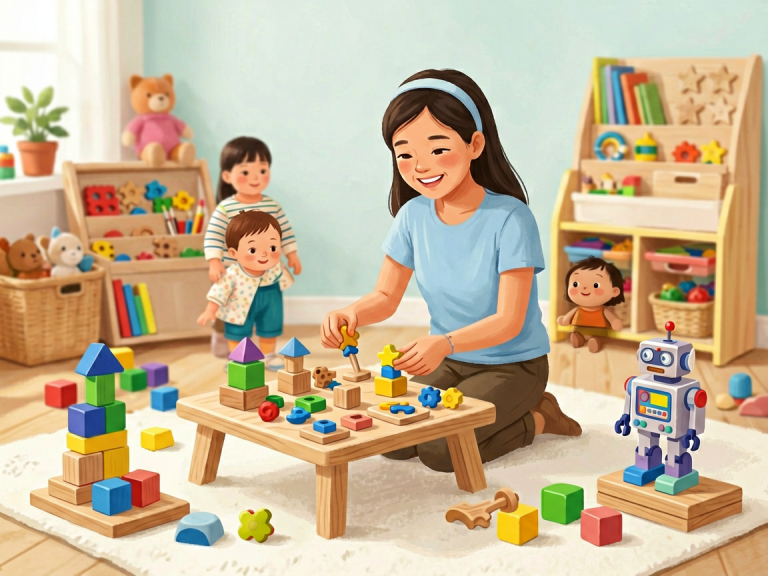
This is a golden age for imaginative play. Add a play kitchen, tool bench, dress-up clothes, and a tent. Art supplies should be accessible and washable. Include a small chalkboard or whiteboard. Arrange low shelves with toys displayed at eye level. This is also the time to introduce simple puzzles, matching games, and books with sturdy pages. The room should still be relatively contained, but you can start having a few small open bins for easy clean-up.
Playroom for School-Age Children (6–12 years)
Older kids need a mix of active and quiet spaces. A large table for board games, Lego building, or science projects is essential. Add a desk with a lamp for homework. Include a bookshelf with age-appropriate chapter books. Tech-friendly areas (tablets, video games) should be managed with clear rules—perhaps a designated charging station and a timer. This age also loves to have sleepovers, so consider a floor mattress or a loft bed if the room serves double duty. Encourage them to help organize the room and make decisions about decor, as this fosters ownership.
Budgeting and DIY Tips
Prioritize What Matters Most
A playroom does not need to be expensive. Start with the essentials: safe flooring, basic furniture, and a few high-quality toys. Skip the trendy, expensive decor that your child will outgrow in a year. Instead, use second-hand furniture (sand and repaint if needed), repurpose items from around the house, and make your own storage bins from cardboard boxes covered in decorative paper. A hand-me-down bookshelf can become a beautiful display with a coat of non-toxic paint. Thrift stores are goldmines for play kitchens, puzzles, and costumes.
Involve Your Children
One of the best ways to save money and build excitement is to involve your children in the planning process. Let them choose a paint color, pick out a rug, or arrange their toys on shelves. This gives them a sense of ownership and makes them more likely to respect the space. Even a two-year-old can help put toys in bins. For older kids, have them help build a simple shelf or organize their own art supplies.
Maintenance and Evolution
Cleaning and Rotating Toys
A playroom will get messy. Accept that. But create systems to keep it manageable. Have a “clean-up time” routine, ideally before meals or bedtime. Use songs or timers to make it fun. Every few months, go through the toys together and donate those that are no longer played with. Rotating toys keeps interest high and reduces the temptation to buy more. Also, wipe down surfaces weekly with non-toxic cleaners, and wash soft toys and dress-up clothes regularly.
Adapting as Your Child Grows
The playroom plan you implement today will not be perfect in three years. And that’s okay. Be willing to change the layout, swap out furniture, and add new elements. When your child’s interests shift from dinosaurs to space, adapt the decor and storage. The goal is not to create a permanent showroom, but a dynamic living space that supports your child’s development and your family’s sanity.
Conclusion: The Playroom as a Sanctuary
A well-planned playroom is more than just a room full of toys. It is a sanctuary where children can be themselves—messy, curious, loud, and creative—without constant adult correction. For parents, it is a gift of peace of mind: knowing that your living room will stay (mostly) clean, that your child has an outlet for energy, and that you have a dedicated space to bond. By following this playroom plan—prioritizing safety, function, storage, and age-appropriate design—you can create a space that your family will love for years to come. So roll up your sleeves, grab a measuring tape, and start imagining the possibilities. Your children are waiting.
*(Word count: approximately 1,200 words)*