Playroom Planning: 10 Critical Mistakes to Avoid for a Safe, Functional, and Joyful Space
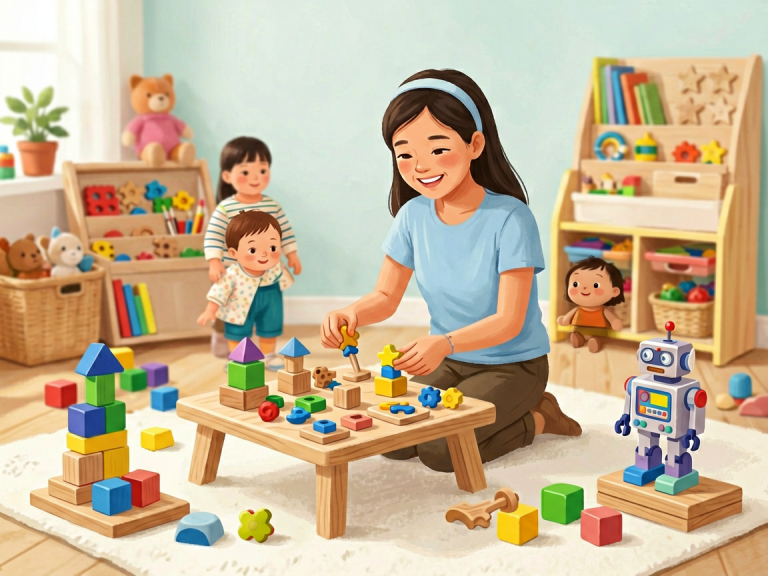
Designing a playroom seems like a dream project: vibrant colors, endless toy storage, and a space where children can let their imaginations run wild. Yet many parents, eager to create the perfect haven, fall into common traps that turn the playroom into a source of frustration, clutter, or even danger. Avoiding these pitfalls from the start can save you time, money, and daily headaches. Below are the ten most frequent playroom planning mistakes—and how to sidestep each one.
Mistake 1: Ignoring Age-Appropriate Zones
One of the biggest errors is treating the playroom as a one-size-fits-all space. A toddler’s needs differ dramatically from those of a school-aged child. Failing to create distinct zones based on developmental stages leads to safety hazards and disinterest. For example, a low table with small Lego pieces is dangerous for a crawling baby, while a baby gym in the same room can bore a seven-year-old.
How to fix it: Divide the playroom into age-specific areas if you have children of different ages. Use low shelves, soft rugs, and baby-safe corners for infants and toddlers. For older kids, incorporate a craft table, a reading nook, or a space for board games. As children grow, rearrange these zones instead of redesigning the entire room.
Mistake 2: Overlooking Storage That Actually Works
Many playrooms end up looking like a toy explosion because storage is either insufficient or impractical. Open bins without labels, deep cabinets where small items get lost, or baskets that are too heavy for little hands to pull out—all these discourage tidying up. The result? Toys are dumped on the floor, and parents spend hours cleaning.
How to fix it: Invest in low, open shelving with clear plastic bins or labeled wicker baskets. Use shallow drawers for art supplies and pegboards for hanging dress-up costumes. A key rule: every toy should have a designated home that a child can reach and return independently. Rotate toys seasonally to keep the collection manageable.
Mistake 3: Choosing Furniture That Doesn’t Grow With the Child
It’s tempting to buy cute miniature chairs and toddler-sized tables, but children outgrow them quickly. Within two years, those pint-sized pieces become cramped and uncomfortable. Worse, some furniture is flimsy and collapses under the weight of a climbing child.
How to fix it: Opt for adjustable or convertible furniture. A table with extendable legs, chairs that can be raised, or a modular storage system that can be reconfigured as needs change are smart investments. Avoid trendy but fragile items; instead, choose sturdy, timeless pieces that can withstand years of active play.
Mistake 4: Neglecting Proper Lighting
Many playrooms rely on a single overhead light, casting harsh shadows or dim corners. Poor lighting strains children’s eyes during reading or craft time and can make the room feel gloomy. Conversely, overly bright fluorescent lights can overstimulate younger kids and disrupt naps.
How to fix it: Layer your lighting. Install dimmable ceiling lights for general illumination, add task lighting (such as a desk lamp) for art or puzzle activities, and include soft ambient lights like floor lamps or string lights to create cozy reading nooks. Natural light is best—position the play area near windows if possible, but use blinds to control glare.
Mistake 5: Forgetting About Noise Control
A playroom without acoustic consideration becomes an echo chamber. Hard floors, bare walls, and plastic toys amplify sound, leading to headaches for parents and overstimulation for children. This is especially problematic if the playroom is near a home office or a baby’s nursery.
How to fix it: Soften the room with area rugs, fabric storage bins, curtains, and upholstered furniture. Acoustic panels can be added to walls in a playful pattern. Even hanging a tapestry or corkboard helps absorb sound. Consider placing the playroom away from quiet zones in the house.
Mistake 6: Skipping a Clear Traffic Flow
A cluttered floor plan where furniture blocks walkways or toys spill into the doorway creates tripping hazards and frustration. Children need room to run, dance, and build sprawling train tracks. When furniture is jammed against every wall, the playroom feels cramped and chaotic.
How to fix it: Leave at least three feet of open floor space in the center of the room for active play. Arrange furniture along the perimeter, and avoid placing large items like bookshelves in front of windows or doors. Use lightweight, movable furniture so you can reconfigure the layout easily.
Mistake 7: Designing for Aesthetics Instead of Function
It’s easy to get carried away with Pinterest-perfect color schemes, themed décor, and matching furniture sets. But a playroom that looks like a magazine spread often fails to serve its real purpose: play. Kids need surfaces they can mark on, corners they can hide in, and storage they can actually use.
How to fix it: Prioritize function over form. Choose washable paint (semi-gloss or satin finish) over matte. Use wipe-clean surfaces like vinyl flooring or laminate. Let the toys and art be the décor—avoid too many decorative pillows, fragile knickknacks, or expensive wallpaper. Add a chalkboard wall or a magnetic board for creative expression.
Mistake 8: Not Planning for Art and Messy Play
Many playroom designs overlook the inevitable: paint spills, glue drips, and playdough crumbs. Without a dedicated messy zone, creative activities are limited to the kitchen table, which then gets cleaned up immediately. This stifles children’s artistic exploration.
How to fix it: Designate a small area—perhaps near a sink or a washable floor—for messy play. Install a low table covered with a plastic tablecloth, keep art smocks nearby, and store washable markers and paints in easy-to-clean caddies. Consider adding a small sink or a large bucket for quick hand washing. Floor mats that can be rolled up and hosed off are a game-changer.
Mistake 9: Ignoring Safety Details
Even well-intentioned playrooms can harbor hidden dangers: unanchored bookshelves that tip over, sharp corners on furniture, cords from blinds, or small toys left within reach of infants. Safety is not just about childproofing—it’s about designing a space that anticipates risky behavior.
How to fix it: Anchor all heavy furniture to the wall. Choose furniture with rounded edges or add corner guards. Keep blind cords out of reach or use cordless blinds. Store small toys and batteries in high cabinets. Install outlet covers and secure rugs with non-slip pads. Regularly inspect toys for broken parts. A first-aid kit should be accessible but out of children’s reach.
Mistake 10: Making the Room Too Permanent
The playroom that works today may not work in two years. Yet many parents install built-in shelving, mural-painted walls, or furniture that cannot be moved. This rigidity forces a costly renovation when the child’s interests shift from blocks to video games or from dolls to books.
How to fix it: Keep the room flexible. Use removable wall decals instead of paint, modular shelving that can be reassembled, and furniture on casters. Leave wall space for future changes. Plan for the playroom to evolve into a study or teenage hangout later. Your investment should last at least a decade with simple updates.
Final Thoughts: The Playroom as a Living Space
Avoiding these common mistakes transforms the playroom from a source of stress into a joyful, functional heart of the home. Remember that the best playrooms are not perfect—they are lived-in, adaptable, and designed with the child’s real behaviors in mind. Test the layout before finalizing, involve your children in the process when possible, and always prioritize safety and ease of maintenance. When you get it right, the playroom becomes a place where creativity blossoms, mess is manageable, and memories are made every single day.
(Word count: approximately 1,050)