The Ultimate Playroom Plan Guide: Designing a Space for Fun, Learning, and Growth
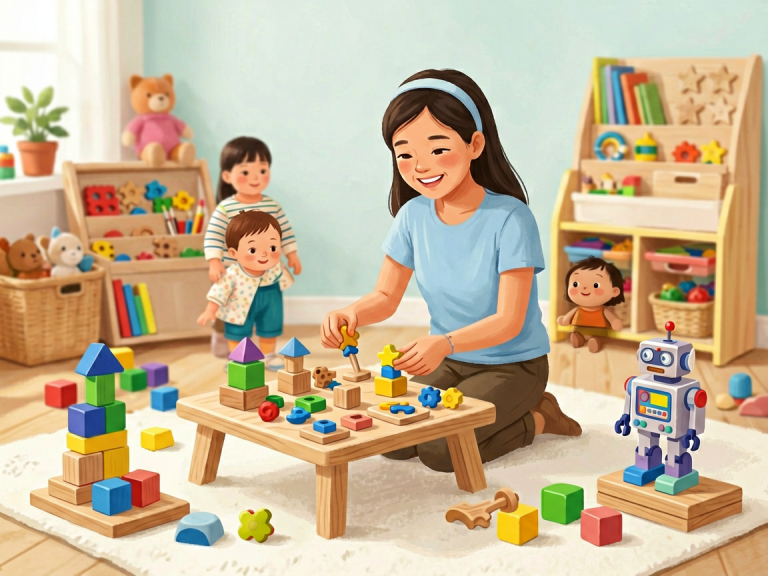
Creating a dedicated playroom is one of the most rewarding investments you can make in your child’s development. A well-planned playroom does more than just contain toys—it fosters creativity, encourages independence, and provides a safe haven for exploration. However, without a thoughtful plan, a playroom can quickly become a chaotic dumping ground for broken crayons, mismatched puzzle pieces, and overflowing bins. This guide will walk you through every step of the playroom planning process, from assessing your space to selecting furniture and maintaining order. Whether you are converting a spare bedroom, a basement corner, or a living-room nook, these principles will help you design a room that grows with your child and supports both play and learning.
1. Assessing Your Space and Needs
Before you buy a single toy bin or paint a wall, you must evaluate the physical space and the specific needs of your child. Start by measuring the room’s dimensions, including ceiling height, window placement, and door swing. Note any obstacles like radiators, uneven floors, or low-hanging light fixtures. A simple floor plan drawn to scale will help you visualize furniture arrangement.
Next, consider your child’s age, interests, and developmental stage. A toddler needs safe climbing opportunities and sensory play, while a school-age child may crave board games, building sets, and a quiet reading corner. Think about how many children will use the room simultaneously and whether they have different ages or personalities. Also, decide if the playroom will serve multiple functions—for example, a homework space during the day and a fort-building area in the evening. Write down your top priorities: maximum storage? Easy cleanup? Noise control? Natural light? This list will guide every decision you make.
Finally, budget realistically. A playroom can be expensive, but most improvements are optional. Start with safety essentials like corner guards and furniture anchors, then allocate funds for storage, a soft rug, and a few versatile toys. You do not need a Pinterest-perfect room overnight; plan for incremental upgrades.
2. Safety First: Essential Considerations
Safety should be non-negotiable in any playroom. Children spend hours running, jumping, and climbing, so the environment must minimize injury risk. Begin by anchoring all heavy furniture—bookshelves, dressers, and TV stands—to the wall with anti-tip straps. Even a low bookshelf can topple if a child pulls on it. Cover electrical outlets with childproof plugs or sliding covers, and hide cords behind furniture or inside cord-shortening boxes.
Choose floor materials carefully. Hardwood or tile is easy to clean but unforgiving when a child falls. A thick, low-pile carpet or interlocking foam mats provides cushioning and reduces noise. Ensure any rug has a non-slip pad underneath to prevent trips. For windows, install cordless blinds or cut pull cords short to eliminate strangulation hazards. If the room has a door, consider a doorknob cover to prevent little ones from wandering unsupervised.
Also, pay attention to paint and finishes. Use VOC-free paints and nontoxic, water-based sealants on any furniture you refinish. Avoid small detachable parts in toys for children under three, and regularly inspect for loose screws or splintered wood. Finally, place a first aid kit within easy reach—even the safest room may see a scraped knee.
3. Zoning: Creating Functional Areas
A successful playroom uses zoning to separate different activities, reducing sensory overload and making cleanup logical. Think of the room as several small “stations,” each with its own purpose. Common zones include:
- Quiet zone: A cozy corner with a beanbag chair, soft lighting, and bookshelves for reading, puzzles, or calm sensory play (e.g., playdough or calm-down jars). This area should be away from heavy traffic and noise.
- Active zone: The largest open area for running, dancing, jumping, or building with blocks. Use a soft rug or foam mats to define the space. Keep this zone free of low furniture that could cause tripping.
- Creative zone: A plastic-covered table or easel for art projects, plus storage for washable markers, paper, glue, and smocks. This zone should be near a sink if possible, or with easy access to wipes and a trash can.
- Imaginative play zone: A small nook with a play kitchen, dress-up costumes, a puppet theater, or a dollhouse. Add a mirror and hooks for costumes. Children often use this zone for role-playing and social skills.
- Sensory or small-world zone: A low shelf with bins for sand, water beads, or mini figurines. This zone may require a waterproof mat because sensory play can get messy.
Arrange zones so that noisy activities are farther from quiet ones, and place the creative zone close to the room entrance for easy cleanup. Use low shelving or room dividers to create visual boundaries without blocking sightlines—so you can supervise from anywhere.
4. Storage Solutions: Keeping Chaos at Bay
Smart storage is the heart of any functional playroom. The goal is to make toys accessible to children but also easy to put away. A few proven strategies:
First, use open, low shelving. Toddlers can reach books and toys without your help, which builds independence. Clear bins or baskets allow children to see what is inside without dumping everything. Label each bin with a picture and the word (e.g., “cars,” “blocks”) to reinforce literacy. Avoid deep bins where small items get lost; use shallow trays or divided containers instead.
Second, rotate toys. You do not need to display every toy at once. Keep a small fraction available on shelves and store the rest in a closet or garage. Rotate every few weeks—this keeps the room feeling fresh and prevents boredom. A good rule is to have no more than four to six categories of toys visible at any time.
Third, incorporate furniture with hidden storage. Benches with lift-up seats, ottomans that open, and cube shelving with fabric bins all double as seating and storage. A wall-mounted pegboard with hooks can hold costumes, bags, or art smocks. For art supplies, use a rolling cart or a caddy that can be moved from the creative zone to the dining table.
Finally, create a cleanup routine. Install a low-hanging hook for a “cleanup helper” apron, and have a timer for a five-minute tidy-up before meals or bedtime. Consistent expectations make order sustainable.
5. Choosing the Right Furniture and Decor
Playroom furniture must be durable, safe, and appropriately sized. Resale shops and online marketplaces often have gently used children’s tables and chairs at a fraction of retail cost. Look for rounded edges, solid wood or heavy-duty plastic, and easy-to-clean surfaces (avoid upholstery that stains). A small table with two to four chairs works well for art and snacks; consider a height-adjustable model that grows with your child.
Seating should be varied: a soft beanbag or floor cushion for reading, a small sofa for lounging, and perhaps a kid-sized rocking chair. Avoid furniture with sharp corners; if you cannot replace it, apply corner guards. For the active zone, consider a small slide or a climbing triangle—only if you have space and your child is supervised.
Decor should be playful but not overstimulating. Neutral walls with one accent wall in a calming color (light blue, sage green) provide a backdrop for colorful toys. Use removable wall decals or a chalkboard wall instead of permanent wallpaper, because interests change. Blackout curtains or roller shades help with nap time, especially if the playroom doubles as a guest room.
Lighting matters enormously. Overhead lights can be harsh; use a mix of natural light, task lighting (a small lamp near the reading corner), and ambient lighting (string lights or a dimmer). Install outlet covers on lamps to prevent burns. A colorful rug ties the room together and defines zones visually.
6. Incorporating Educational and Sensory Elements
A playroom can be a powerful learning environment without feeling like a classroom. Incorporate low-tech educational tools that build problem-solving and motor skills. For example, a magnet wall—a sheet of galvanized steel mounted on the wall—allows children to arrange magnetic letters, numbers, and shapes. Provide a large floor puzzle that changes weekly, or a felt board with accompanying story pieces.
Sensory play is essential for brain development. Create a sensory bin filled with rice, beans, or kinetic sand, and add scoops, funnels, and small toys. A water table (or a large plastic tub) works well, but place a waterproof mat underneath. For calmer sensory input, include a weighted blanket, a “calm-down bottle” (water and glitter), or a small trampoline for proprioceptive input.
Also, include cultural and natural elements. A globe, a small collection of rocks or shells, musical instruments from different countries, or books depicting diverse families invite curiosity. A bulletin board where your child can display their artwork or photos helps build ownership and pride.
Finally, consider a “tinkering area” for older children: a small toolbox with real but safe tools (child-sized screwdrivers, pliers), plus scrap wood, cardboard, and recyclables. This encourages construction and creativity beyond plastic blocks.
7. Maintenance and Flexibility for Growing Needs
A playroom is never truly “finished.” As your child grows, their interests and skills change, and your playroom plan should adapt. Schedule a seasonal review: remove toys your child has outgrown, rotate in new challenges, and adjust zone layouts. For example, a toddler’s playroom may need more sensory bins, while a 7-year-old’s might need a desk for homework and shelf space for chapter books.
Maintenance also means daily habits. Teach your child to return toys to their bins before starting a new activity. Use a “one in, one out” rule for large toys to prevent clutter. Keep cleaning supplies within reach—a pack of wipes for art spills, a small hand vacuum for glitter and crumbs. If the playroom is in a high-traffic area, consider a low-pile carpet that can be spot-cleaned quickly.
Most importantly, leave room for the unexpected. Children often gravitate toward the empty space—the middle of the floor where they can build forts, the corner where they pretend to be astronauts. Resist the temptation to fill every inch with toys and furniture. A playroom with open floor space invites imagination.
Conclusion
Your child’s playroom should be a reflection of their personality and a catalyst for growth. By assessing your space, prioritizing safety, zoning activities, choosing smart storage, and selecting age-appropriate furniture and decor, you create a room that works for your family. Remember: the best playroom is not the most expensive or the most Instagrammable, but the one where your child feels free to explore, create, and rest. Start with a clear plan, involve your child in decisions when possible, and enjoy watching the space evolve. With thoughtful design, your playroom will become a cherished part of your home—a place where childhood dreams take flight and daily memories are made.