Navigating the Developmental Toy Path for 3-Year-Olds: A Guide to Playful Learning
Introduction
The third year of life is a remarkable period of transformation. A 3-year-old has moved beyond the tentative steps of toddlerhood and now strides confidently into the world of imagination, language, and social interaction. At this stage, every experience is a learning opportunity, and toys are not merely objects of amusement—they are powerful tools that shape cognitive, physical, and emotional development. However, with an overwhelming array of brightly colored boxes on store shelves, parents and caregivers often find themselves asking: *What is the right developmental toy path for a 3-year-old?* This article provides a comprehensive, research-backed roadmap, organized by key developmental domains, to help you choose toys that nurture curiosity, resilience, and a lifelong love of learning. By understanding how different play materials align with a child’s evolving abilities, you can transform playtime into a rich, structured journey of growth.
The Cognitive Development Playground: Building Blocks of Thought
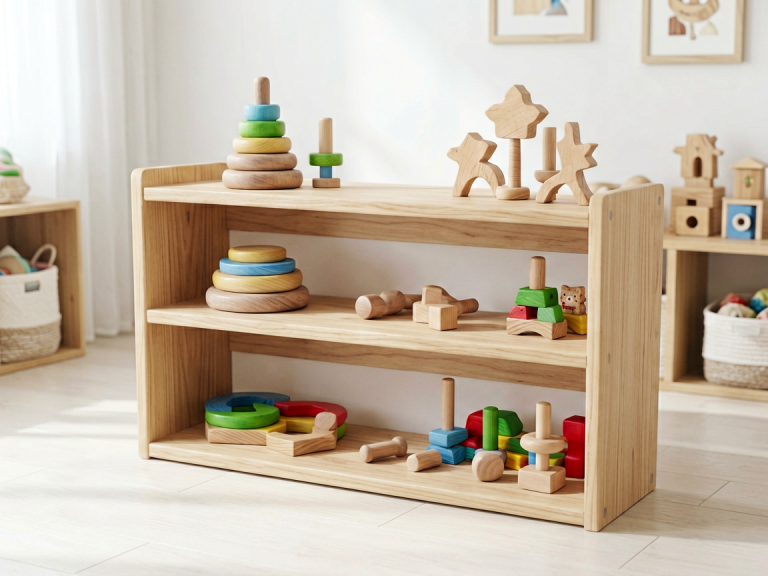
At age three, a child’s brain is forming neural connections at an astonishing rate—approximately 700 to 1,000 new neural connections per second. Toys that stimulate cognitive development should encourage problem-solving, pattern recognition, and cause-and-effect reasoning. Simple jigsaw puzzles with four to twelve large pieces are ideal; they teach spatial awareness and the concept of “part to whole.” Wooden shape sorters and nesting cups also reinforce matching, sorting, and size discrimination. For a more advanced challenge, consider magnetic tiles or interlocking building blocks (such as LEGO Duplo). These allow a child to experiment with balance, symmetry, and basic engineering. A 3-year-old might spend ten minutes stacking blocks only to watch them tumble—but in that moment, they are learning gravity, frustration tolerance, and the satisfaction of rebuilding. Similarly, memory card games with familiar images (animals, fruits) boost short-term recall and concentration. Avoid toys that do too much for the child; the best cognitive toys require active engagement, not passive observation.
Fine Motor Skills and Dexterity: Strengthening Little Hands
Fine motor control—the coordination of small muscles in the hands and fingers—is critical for writing, self-care, and daily tasks. A 3-year-old should be able to manipulate small objects with increasing precision. Play dough is a classic choice: squeezing, rolling, and shaping it builds hand strength and wrist flexibility. Add cookie cutters, plastic knives, and rolling pins to extend the activity. Beading kits with large, chunky beads and a thick string or pipe cleaner encourage pincer-grasp development. Safety scissors (blunt-tipped) and child-safe glue sticks introduce cutting and pasting, which refine bilateral coordination. Lacing cards—cards with holes and a shoelace—are another excellent tool, as they require hand-eye coordination and patience. For a more novel option, try water painting mats (where water “colors” the mat) or sticker books; peeling and placing stickers hones fingertip control. Remember that mess is part of the process; a small table covered with newspaper can save your sanity while allowing your child to practice freely.
Language and Communication: Words That Build Worlds
Between ages two and four, a child’s vocabulary typically explodes from about 200 words to over 1,000 words. Language-rich toys can accelerate this growth and foster early literacy. Picture books with simple narratives are indispensable—choose books with repetitive phrases, rhymes, and colorful illustrations that invite pointing and naming. Puppets (hand puppets or finger puppets) encourage dialogue; a child might speak to the puppet, or the puppet can ask questions (“What color is your shirt?”), prompting verbal responses. Alphabet puzzles and foam bath letters introduce letter shapes and sounds in a tactile, low-pressure way. Toy telephones or play microphones inspire pretend conversations, which build narrative skills and turn-taking. Consider also magnetic storyboards with interchangeable characters and backgrounds; the child can create and describe their own scenes, strengthening vocabulary and storytelling. Avoid overloading a child with electronic toys that “talk” for them—the most valuable language tool is a responsive adult who listens and expands on the child’s utterances.
Social and Emotional Growth: Learning to Share, Care, and Self-Regulate
Three-year-olds are beginning to understand that other people have feelings, thoughts, and desires—a concept known as theory of mind. They also experience intense emotions and are learning to manage frustration, jealousy, and excitement. Role-playing toys—kitchen sets, doctor kits, tool benches, or dollhouses—are perfect for exploring social roles and empathy. A child can be the parent, the patient, or the chef, practicing nurturing behavior and cooperation. Dolls and stuffed animals can become “friends” who need comfort, which teaches compassion. Board games designed for preschoolers (e.g., *Candy Land*, *Hi Ho! Cherry-O*) introduce turn-taking, following simple rules, and handling both winning and losing gracefully. For emotional regulation, calm-down jars (glitter in a sealed bottle) or sensory bottles can be part of a “cool-down corner”; shaking them and watching the glitter settle provides a visual metaphor for calming down. Cooperative games where everyone wins together (like *The Sneaky, Snacky Squirrel Game*) reduce competition anxiety and build teamwork.
Gross Motor Adventures: Jumping, Climbing, and Balancing
Physical development at age three includes improved balance, coordination, and locomotor skills. Children need opportunities to run, jump, climb, and throw safely. Push-and-pull toys (like a wooden shopping cart or a wagon) encourage walking while carrying objects, which develops core strength. Balance bikes (pedal-less bicycles) are excellent for learning steering and balance before moving to a regular bike; they also build confidence. Soft foam blocks or nugget couches can be arranged into ramps, tunnels, and forts for climbing and crawling. Tricycles with pedals help leg muscles and coordination, though some 3-year-olds may still prefer a balance bike. Balls of various sizes (soft foam balls, beach balls, or small basketballs for a toddler hoop) promote throwing, catching, and kicking skills. Outdoor toys like sandboxes with shovels, buckets, and molds also engage gross motor movements (digging, scooping, carrying) while providing sensory input. Always supervise active play, and ensure the environment is safe—soft landing surfaces and age-appropriate heights.
Creative Expression and Imagination: The Art of Make-Believe
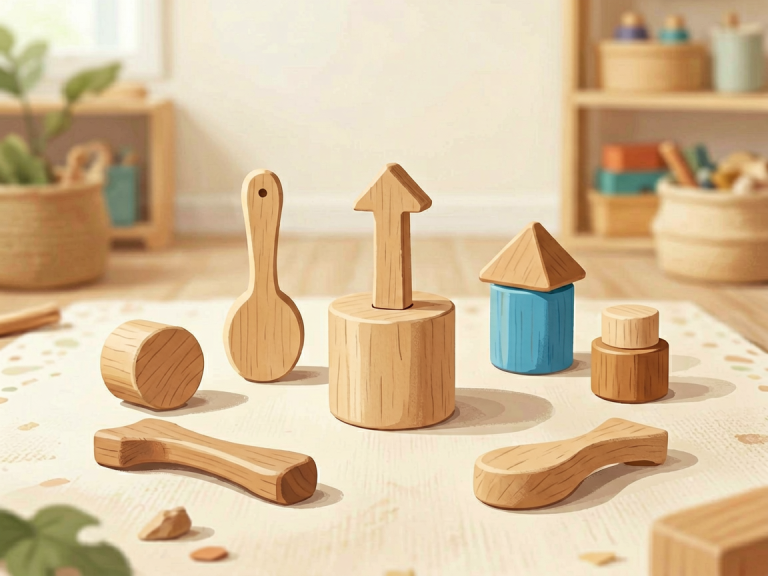
Imagination peaks around age three, evolving from simple imitation to elaborate pretend scenarios. Open-ended toys—those that can be used in multiple ways—are far more valuable than single-purpose toys. A set of wooden blocks can become a castle, a bridge, or a spaceship. Dress-up clothes (simple capes, hats, scarves, and safe accessories) let a child transform into a superhero, a princess, or a firefighter. Art supplies should include washable markers, crayons, finger paints, paper, and play-dough. Avoid coloring books with predetermined outlines that restrict creativity; instead, offer blank paper and encourage free drawing. Musical instruments—a xylophone, maracas, a drum, or a simple shaker egg—introduce rhythm, tempo, and cause-and-effect. Sensory bins filled with rice, beans, or kinetic sand, along with scoops and small toys, provide a canvas for imaginative play (e.g., “cooking” or “digging for dinosaurs”). Remember, the process matters more than the product: a scribble is a masterpiece, and a wobbly block tower is a triumph of engineering.
Choosing the Right Toys: Tips for Parents
Navigating the toy aisle can be daunting, but a few guiding principles can simplify decisions. First, follow the child’s lead. Observe what your child is naturally drawn to—some children prefer quiet, solitary play; others thrive on active, social games. Provide a balanced mix but honor their temperament. Second, resist the lure of batteries. Electronic toys that talk, sing, or flash lights often limit a child’s role to passive pressing; instead, choose toys that require the child to create, build, or imagine. Third, rotate toys. A 3-year-old can become overwhelmed by too many options. Keep out a selection of 8–10 toys and swap them every few weeks to renew interest. Fourth, prioritize safety. Check for small parts that could be choking hazards, sharp edges, or toxic paints. Look for toys marked with the ASTM or EN71 safety standards. Finally, don’t underestimate the power of everyday objects. A cardboard box, a set of plastic bowls, or a collection of pinecones can be more educational than any store-bought toy. The developmental toy path for a 3-year-old is not about expensive gadgets—it’s about purposeful, joyful interaction with the world.
Conclusion
The developmental toy path for 3-year-olds is not a rigid curriculum but a flexible, responsive journey. By understanding the key domains—cognitive, fine motor, language, social-emotional, gross motor, and creative—you can curate a toy collection that evolves with your child’s growing abilities. Remember that the most important “toy” is you: your presence, your attentive conversation, and your willingness to sit on the floor and play. The laughter, the mess, and even the occasional tantrum are all signs of deep learning. As you watch your child stack blocks, murmur to a doll, or pedal a trike, know that each play session is forging neural pathways that will serve them for a lifetime. Embrace the journey, celebrate small victories, and let the toys be the humble companions on a grand adventure of discovery.