Mastering Toy Rotation: Creative Shelving Ideas to Transform Playtime
Introduction
Toy rotation is a parenting strategy that has gained immense popularity in recent years, and for good reason. By periodically swapping out a child’s accessible toys, parents can reduce clutter, maintain a child’s engagement, and even foster deeper independent play. The key to a successful rotation system, however, lies not just in the selection of toys but in the physical infrastructure that supports it. Shelves, in particular, are the unsung heroes of toy rotation. They provide order, visibility, and accessibility while allowing you to curate a curated environment that evolves with your child’s interests. In this article, we will explore a wide range of toy rotation shelving ideas that go beyond simple storage. Whether you live in a small apartment or a spacious home, these concepts will help you create a dynamic play space that is both functional and inspiring.
—
1. Understanding the Principles of Toy Rotation
Before diving into shelving ideas, it is essential to understand what toy rotation aims to achieve. The core principle is “less is more.” Instead of overwhelming a child with dozens of toys at once, which can lead to short attention spans and messy rooms, rotation limits the number of available toys to a manageable set—typically five to twelve items—while the rest are stored out of sight. After a few weeks or months, the rotated toys are replaced with a fresh selection. Shelves act as the display and access point for the current rotation. Effective shelving should make toys easy to see and reach, encourage self-initiated play, and allow for quick clean‑up. A well‑planned shelving system also respects the child’s developing autonomy and motor skills.
—
2. Choosing the Right Shelving Unit
Not all shelves are created equal when it comes to toy rotation. The ideal unit is low to the ground (usually no higher than the child’s eye level) so that even toddlers can independently select and return toys. Consider open shelving rather than closed cabinets; visibility is crucial for sparking a child’s curiosity. Cubby shelves, such as IKEA’s Kallax system, are a classic choice because they offer multiple compartments that can hold baskets, books, and small toys. Another option is a modular shelf system with adjustable heights, allowing you to adapt the space as your child grows. If floor space is limited, wall‑mounted ledges or floating shelves can display a few favorite items while keeping the floor clear for active play. The material matters too—smooth, easy‑to‑clean surfaces are practical for inevitable spills and crayon marks.
—
3. Themed Shelving Zones
One of the most effective ways to structure toy rotation shelves is by creating themed zones. Instead of mixing all types of toys together, dedicate different shelf sections to specific play categories. For example, a lower shelf might hold a “building zone” with wooden blocks and LEGOs, a middle shelf could be a “pretend play” area with small figurines and a play kitchen set, and a higher shelf (still within reach) might feature art supplies or puzzles. Themed zones help children mentally organize their play and make it easier for them to choose an activity. During rotation, you can replace an entire zone with a new theme—such as swapping a “farm animals” zone for a “space explorers” zone. This approach not only keeps play fresh but also supports cognitive development by exposing children to different contexts and vocabulary.
—
4. Visibility and Accessibility: The Power of Open Front Bins
While open shelving is excellent, some small toys—like puzzle pieces, magnetic tiles, or craft supplies—benefit from being contained. The solution is to use open‑front bins or baskets placed directly on the shelves. Clear plastic bins allow children to see the contents instantly, while woven baskets add a warm, natural aesthetic. An important detail is choosing bins with handles or cut‑out openings so that small hands can pull them out easily. Another clever idea is to assign a color or label to each bin to indicate the type of toy (e.g., red for vehicles, blue for animals). This not only makes clean‑up a sorting activity but also introduces early categorization skills. For rotation, you simply swap the bins in and out of the shelves. The key is to avoid stacking bins vertically; instead, place them side by side so each is individually accessible.
—
5. Rotating by Developmental Stage
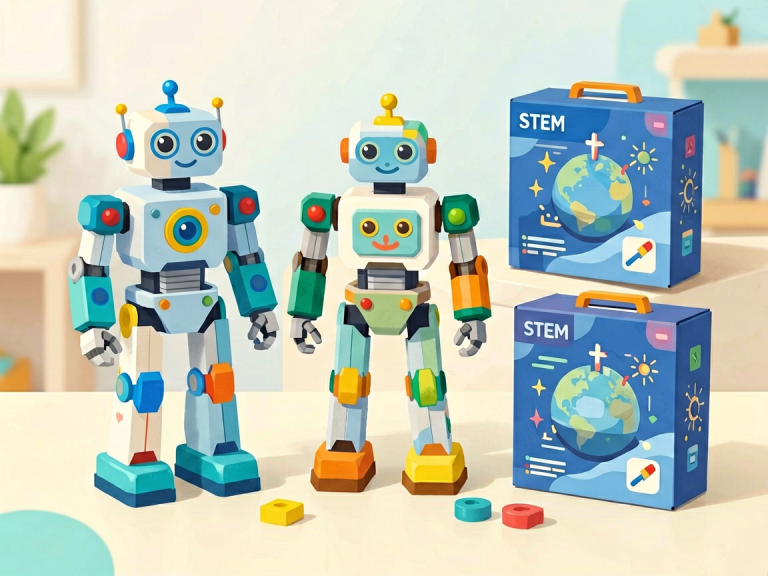
Children’s abilities and interests change rapidly, and your shelving arrangement should reflect that. For infants and young toddlers, the focus should be on sensory toys and cause‑and‑effect items. Use low, sturdy shelves with just a few toys displayed at a time—perhaps a rattle, a soft block, and a teether. As children grow into preschoolers, shelves can accommodate more complex toys like puzzles, art supplies, and early board games. Consider using tiered shelves or a bookshelf with angled picture‑book ledges at the bottom. For school‑age children, the rotation can include STEM kits, chapter books, and craft materials. A flexible shelving system that allows you to adjust the number of compartments or add hooks for dress‑up costumes will serve you for many years. The beauty of rotation is that you can send developmental appropriate toys to the “storage” shelf and bring others forward as your child masters new skills.
—
6. Incorporating Storage Bins and Baskets for Off‑Rotation Toys
An often‑overlooked component of toy rotation shelving is the storage space for toys that are currently not in use. These off‑rotation items need a home that is out of the child’s direct view but still organized for easy future retrieval. A large, sturdy shelf or a dedicated closet shelf works well. Label clear totes or bins by category (e.g., “Magnetic Tiles,” “Puzzle Sets,” “Vehicles”) and stack them neatly. When it’s time to rotate, you can quickly pull a bin from the storage shelf and swap it with one from the play area. If you have limited space, consider using under‑bed storage boxes or a tall, narrow shelving unit in a hallway. The critical rule is that off‑rotation toys should be completely inaccessible during the active period; if your child can see them, the rotation loses its magic.
—
7. Creative Display: Book Ledges, Pegboards, and Trays
Beyond traditional shelves, there are creative shelving alternatives that can enhance the rotation experience. Picture book ledges, for instance, are excellent for displaying front‑facing books, which invite children to choose by cover rather than spine. Mount a few ledges at the child’s height on the wall, and rotate the books weekly. Pegboards are another versatile option—hang small buckets, pouches, or hooks to hold art supplies, action figures, or even magnetic letters. For very small toys like cars or figurines, use shallow trays (like baking sheets or divided craft trays) placed on a shelf. Trays create defined play spaces that encourage focused, contained play—a single tray with a set of dinosaurs and a few rocks can spark a whole afternoon of imaginative play. During rotation, simply replace the tray’s contents.
—
8. Maintenance and Scheduling Tips for a Smooth Rotation
Even the best shelving ideas require a reliable system to keep toy rotation running smoothly. Start by creating a simple schedule—for example, rotate every two weeks for toddlers, and every three to four weeks for older children. Use a calendar reminder or a physical checklist to stay on track. When rotating, involve your child in the process: ask them to help choose which toys stay and which go to “visit the storage shelf.” This gives them a sense of ownership. Keep a small notebook or digital list of what toys are currently on the shelves and what is stored, so you avoid re‑rotating the same set too soon. Also, regularly assess the condition of toys; rotate out broken or missing‑piece items. Finally, clean the shelves during each rotation—wipe down surfaces, wash soft toys, and reorganize bins. A clean, inviting shelf is far more appealing than a dusty one.
—
9. Conclusion: The Long‑Term Benefits of Intentional Shelving
Toy rotation shelves are more than just storage solutions—they are tools for nurturing a child’s creativity, independence, and ability to focus. By investing in thoughtful shelving that prioritizes visibility, accessibility, and flexibility, you create an environment where play is both joyful and manageable. The ideas shared in this article—from themed zones and open‑front bins to pegboards and developmental rotations—can be adapted to fit any home, budget, or child’s age. Remember that the goal is not perfection but progress. Start small, perhaps with one shelf or one room, and observe how your child responds. Over time, you will discover a rhythm that reduces stress, sparks curiosity, and reclaims your living space from the chaos of clutter. Happy rotating!
Start with the complete guide: The Ultimate Toy Rotation Schedule Guide: Declutter, Engage, and Simplify Playtime.