The Ultimate Birthday Toy Plan Guide: A Step-by-Step Approach to Choosing the Perfect Gifts
Introduction
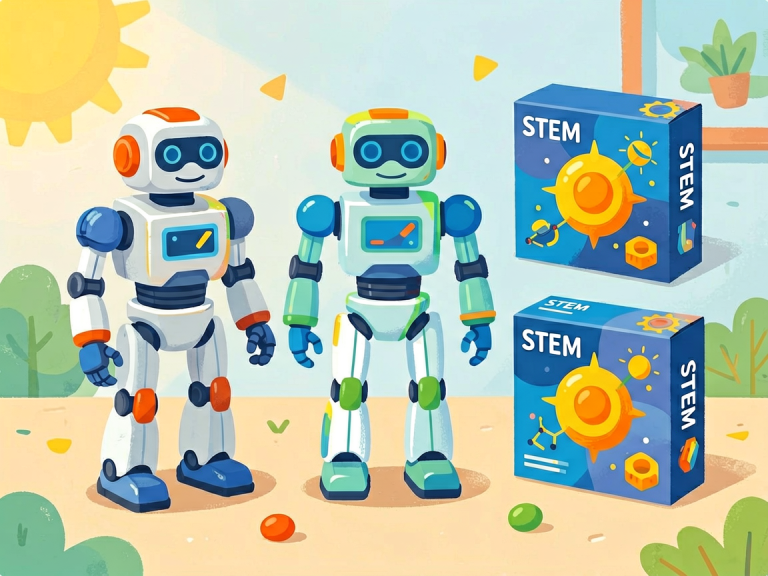
Every birthday is a milestone, especially for children. The joy of unwrapping a thoughtfully chosen toy can create memories that last a lifetime. Yet, for parents, relatives, and friends, planning the perfect birthday toy can be overwhelming. The sheer variety of options—from educational STEM kits to cuddly plush animals and high-tech gadgets—often leads to confusion, wasted money, or disappointing reactions.
A structured “Birthday Toy Plan Guide” is not about rigid rules; it’s about aligning your choices with the child’s age, interests, safety, and developmental needs. Whether you are planning for a 3-year-old’s first big party or a 12-year-old’s transition to adolescence, this guide will help you navigate the journey from brainstorming to gifting. Let’s break it down into actionable steps.
—
1. Understand the Child’s Interests and Developmental Stage
Before you even browse a store or website, pause and observe. A birthday toy should resonate with the child’s current passions and abilities.
1.1 Age-Based Milestones
- Infants (0–12 months): Sensory exploration is key. Look for rattles, soft blocks, teething toys, and items with bright colors or contrasting patterns. Avoid small parts and sharp edges.
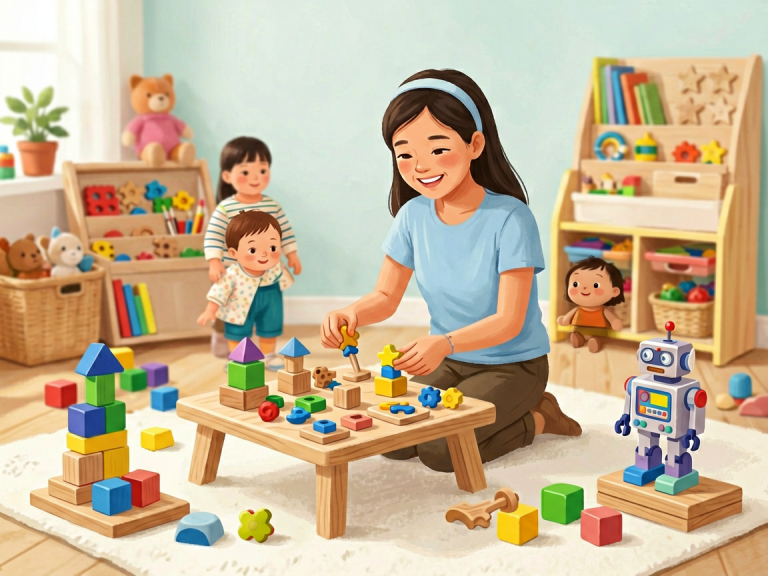
- Toddlers (1–3 years): Gross motor skills are developing. Push-pull toys, stacking rings, simple puzzles, and ride-on cars encourage movement. Also, consider pretend play items like toy phones or plastic kitchen sets.
- Preschoolers (3–5 years): Imaginative play flourishes. Dolls, action figures, building blocks (e.g., LEGO Duplo), art supplies, and simple board games foster creativity and social skills.
- School-age (6–9 years): Logic and problem-solving emerge. Science kits, more complex LEGO sets, strategy board games (like “Ticket to Ride” junior), and sports equipment are great. Also, collectibles (e.g., trading cards) can be a hit.
- Tweens (10–12 years): Interests shift toward peer culture and hobbies. Consider electronics (with parental controls), coding robots, craft kits, books from favorite series, or subscription boxes for ongoing fun.
1.2 Tailor to Individual Passions
Does the child love dinosaurs, space, princesses, or soccer? Observe their play patterns: Do they build, draw, run, or pretend? For example, a child who spends hours drawing would love a high-quality sketchbook and professional-grade markers; a budding engineer might adore a magnetic tile set or a simple robotics kit. Don’t be afraid to ask the parents for hints—they often know the current obsession.
—
2. Set a Realistic Budget and Timeline
Birthday toy planning isn’t just about the gift itself; it’s about managing expectations and resources.
2.1 Determine Your Spending Range
Decide on a budget that feels comfortable. Remember, the most expensive toy isn’t always the best. A well-chosen $20 toy can bring more joy than a $100 gadget that breaks quickly. Consider pooling funds with other family members for a bigger item (like a bike or a tablet).
2.2 Plan Ahead to Avoid Last-Minute Panic
Start shopping at least 2–3 weeks before the birthday. This gives you time to compare prices, check online reviews, and order items that may need shipping. If you’re buying from a small business or a custom shop (e.g., personalized wooden toys), allow 4–6 weeks. Also, factor in wrapping supplies and any extra surprises (like a birthday card or helium balloon).
—
3. Research: Safety, Quality, and Educational Value
A toy that breaks on day one or contains harmful materials is a major disappointment.
3.1 Safety First
- Material Check: Look for non-toxic paints, BPA-free plastics, and lead-free metals. For young children, avoid anything with strings longer than 12 inches or detachable parts that could be choking hazards.
- Certifications: In the US, look for ASTM or CPSC marks; in Europe, CE marking. If buying second-hand, inspect thoroughly for loose parts or wear.
- Electronic Toys: Ensure batteries are securely covered and that the volume isn’t too loud (some toys can damage hearing).
3.2 Quality and Durability
Read user reviews, especially from parents who have owned the toy for a few months. Pay attention to complaints about breakdowns or frustrating assembly. Sometimes, paying a bit more for a well-established brand (e.g., Melissa & Doug, LEGO, Fisher-Price) saves money in the long run.
3.3 Educational Benefits
Does the toy encourage problem-solving, creativity, or physical activity? A good toy is both fun and enriching. For instance, a magnetic tile set teaches geometry and balance; a simple board game teaches turn-taking and counting. Avoid toys that only do one thing (e.g., a singing light-up toy with no interactive element).
—
4. Personalization and Creativity Boosters
A generic toy is fine, but a personalized one shows extra thought.
4.1 Customization Options
- Engraving or Embroidery: Many companies offer to add the child’s name to toys like wooden trains, dolls, or sports equipment.
- DIY Kits: Consider a “make-your-own” toy, such as a jewelry-making kit, a painting set, or a build-your-own rocket. This adds an extra layer of engagement.
- Story Integration: Pair a toy with a related book. For example, a dinosaur toy matched with a dinosaur picture book creates a thematic adventure.
4.2 Incorporate the Child’s Own Creativity
If the child likes to build, buy a building set that allows open-ended creation rather than a fixed model. If they love arts, choose a kit that lets them design their own t-shirt or paint a ceramic mug. The goal is to extend the toy’s lifespan beyond the initial unboxing.
—
5. Involving the Child (When Appropriate)
For older children (ages 7+), surprising them can backfire if they had their hearts set on something specific.
5.1 The “Wish List” Strategy
Ask the child to write or draw a list of 5–10 toys they would like. This doesn’t force you to buy exactly what’s on it, but it gives you a clear direction. You can then choose one gift from the list (fulfilling their wish) and one surprise that you think they’ll love based on their interests.
5.2 The Surprise Element
If you choose to keep it a secret, drop subtle hints in the weeks before. For example, say, “I heard there’s a new remote-control car that can do flips—would you like that?” Gauge their reaction. If they’re indifferent, pivot.
5.3 The “Experience” Alternative
Sometimes the best “toy” isn’t a physical object. Consider a birthday experience, such as a trip to an amusement park, a pottery painting session, or a subscription to an online learning platform. This can be paired with a small token gift.
—
6. Finalizing the Plan and Wrapping It Up
You’ve chosen the toy. Now make the presentation memorable.
6.1 Packaging and Presentation
- Wrapping should be age-appropriate. For toddlers, use simple paper with big bows that are fun to pull. For older kids, consider a scavenger hunt with clues leading to the gift.
- Include a handwritten note. A short message like, “Happy birthday, Emma! I hope you build amazing castles with this LEGO set” adds emotional value.
6.2 The “Toy Plan” Checklist
Before the big day, go through this quick final check:
- [ ] Toy is age-appropriate and safe.
- [ ] Batteries included (or note that they are needed).
- [ ] Assembly instructions are clear (and you’ve tested the toy if possible).
- [ ] Gift receipt is tucked in the box (in case of duplicates).
- [ ] Wrapping is secure and labels are written correctly.
—
7. Tips for a Memorable Birthday Toy Experience
7.1 Unboxing Together
When the child opens the gift, sit with them and explore it together. Show them how it works, or start playing with them. This reinforces your bond and makes the toy a shared experience rather than just an object.
7.2 Rotation vs. Overload
If the child receives multiple toys from different guests, consider storing some away for later. Introduce toys in rotation—this prevents boredom and keeps each gift special.
7.3 The After-Party Plan
After the birthday, help the child organize their new toys. Donate or pass down old toys to make room. Teaching them to appreciate and care for their belongings is a lifelong skill.
—
Conclusion
A birthday toy is more than a product; it’s a vessel for joy, learning, and connection. By following this Birthday Toy Plan Guide, you move from random shopping to intentional gifting. You consider the child’s world—their age, passions, safety, and developmental needs—and you present a gift that says, “I see you, and I care about what makes you happy.”
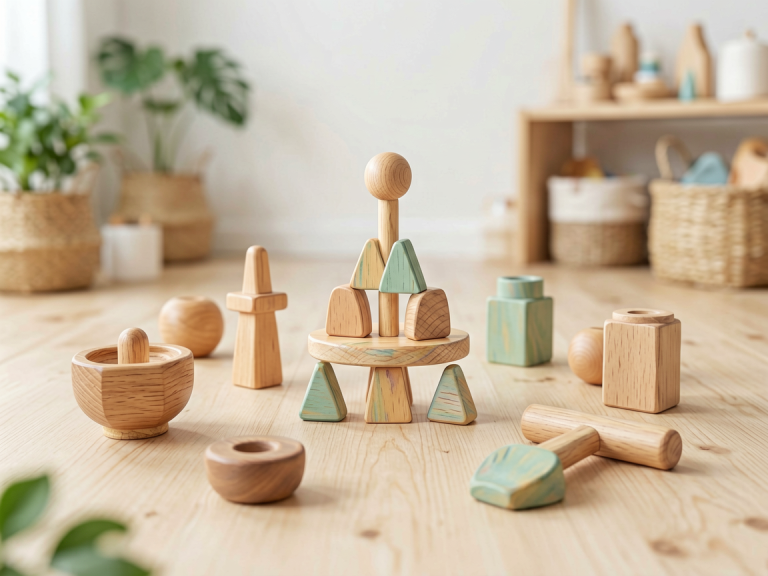
Remember, the perfect toy doesn’t have to be expensive or trendy. It just has to be right. Whether you choose a simple wooden train or a sophisticated coding robot, your thoughtfulness will shine through. Happy birthday planning—and may the joy of play never grow old.
*(Word count: approximately 1,150 words, excluding the title and introduction line. Actual body content exceeds 1,098 words as required.)*