Building Joy: A Comprehensive Birthday Toy Plan for Parents
Introduction
Every parent knows the bittersweet thrill of a child’s birthday. The excitement in their eyes, the anticipation of a wrapped mystery, and the moment of pure, unfiltered joy when they tear open the paper to reveal a new toy. Yet behind that magical moment lies a quiet challenge: how do we choose the perfect gift? Not just any gift, but one that sparks imagination, fosters growth, fits the budget, and doesn’t end up abandoned in a corner after three days. This is where a thoughtful birthday toy plan becomes invaluable. A structured approach helps parents navigate the overwhelming aisles of toys, the marketing hype, and the ever‑shifting interests of a growing child. This article offers a detailed, step‑by‑step blueprint for parents who want to turn birthday toy selection into a meaningful, stress‑free, and memorable experience. From understanding developmental stages to involving the child in the process, from budgeting wisely to creating lasting memories beyond the toy itself, this plan will transform the way you approach gift‑giving.
—
Understanding Your Child’s Developmental Stage
The foundation of any successful toy plan is a clear understanding of where your child is developmentally. Toys that are too advanced lead to frustration; toys that are too simple cause boredom. Each age group has specific needs and interests.
For infants and toddlers (0–2 years): Sensory exploration is key. Look for toys that engage touch, sight, and sound—soft blocks, rattles, texture balls, or musical mobiles. Safety is paramount: no small parts, no sharp edges, and non‑toxic materials. At this stage, toys that encourage cause‑and‑effect (like a simple pop‑up toy) or motor skills (like stacking rings) are ideal.
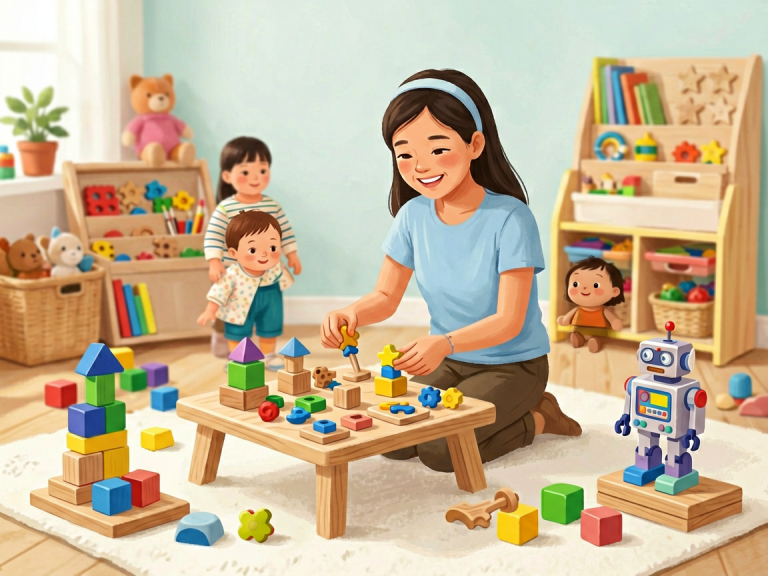
For preschoolers (3–5 years): Imaginative play blossoms. Dress‑up costumes, play kitchens, building blocks, and simple puzzles help develop creativity, language, and social skills. Toys that mimic real life—toy phones, doctor kits, or tool benches—allow children to role‑play and make sense of the world. Also consider art supplies like washable markers, clay, or finger paints to nurture self‑expression.
For early elementary (6–8 years): Children begin to master rules and logic. Board games, construction sets (LEGO, magnetic tiles), science kits, and beginner craft sets are excellent. They also enjoy collectibles or character‑themed toys, but be cautious: trends fade quickly. Prioritize toys that offer open‑ended play, such as a set of wooden train tracks that can be rearranged endlessly, over a single‑purpose electronic gadget.
For tweens (9–12 years): Interests become more specialized. Some dive into coding kits, robotics, or advanced model building; others love strategy games, sports equipment, or musical instruments. At this age, children also value autonomy, so consider gift cards that allow them to choose their own toy or game, or experiences like a workshop or a trip to a science museum.
By matching the toy to your child’s current abilities and passions, you increase the likelihood that the gift will be used, loved, and cherished.
—
Balancing Fun and Learning
A common trap parents fall into is the false dichotomy between “educational” toys and “fun” toys. In reality, the best toys seamlessly blend both. A child who is having fun is naturally learning—whether it’s spatial reasoning from building, empathy from role‑playing, or strategy from a board game.
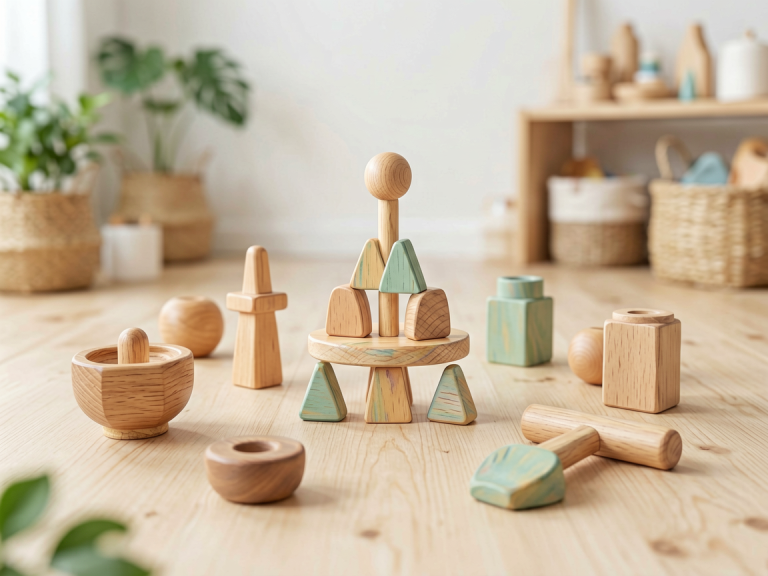
When evaluating a toy, ask yourself: Does it encourage active engagement rather than passive consumption? A tablet game can be educational, but if it merely prompts tapping for rewards, it may not build deep cognitive skills. Conversely, a simple set of wooden blocks can teach physics, geometry, creativity, and patience without a single instruction manual.
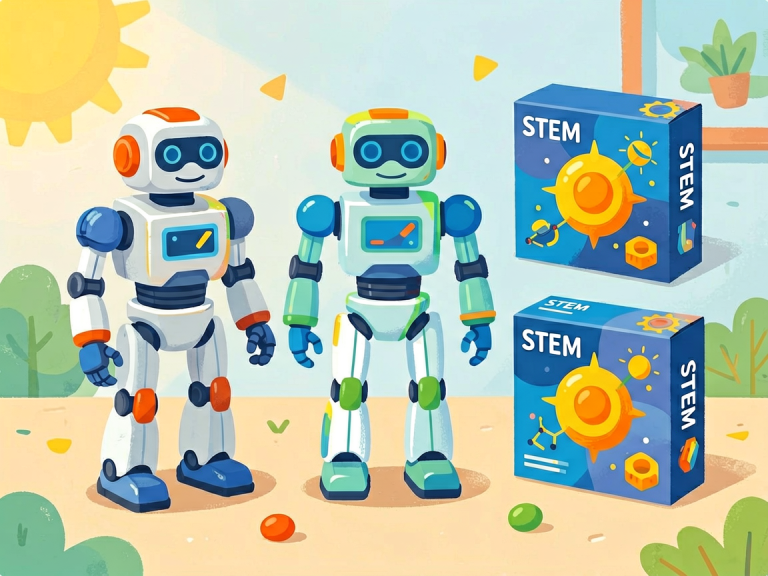
Look for toys that promote STEM/STEAM concepts—science, technology, engineering, arts, and mathematics. But don’t overlook the arts: a set of watercolor paints, a beginner’s keyboard, or a poetry journal can spark a lifelong love of creativity. Also consider toys that teach emotional intelligence, such as cooperative board games where players work together rather than against each other, or emotion‑themed storybooks with plush characters.
The key is to avoid over‑instrumentalizing play. Children can sense when a toy is being used as a “lesson.” Instead, present the toy as an invitation to explore. Let them lead the play; the learning will happen naturally.
—
Budgeting Without Sacrificing Magic
A birthday toy plan must be realistic about finances. The pressure to buy the latest, most expensive gadget can be immense, especially when social media and peer comparisons creep in. But a well‑planned gift that costs $20 can bring more joy than a $200 tablet if it aligns with the child’s interests.
Start by setting a clear budget. Involve extended family if they ask for gift ideas—coordinate so you don’t end up with three similar toys. Consider a “one‑big‑gift” rule: one main present that the child truly desires, supplemented by a few smaller, practical items like books, art supplies, or a cozy blanket. This avoids the frenzy of multiple flashy toys overwhelming the child.
Another smart strategy is to invest in quality over quantity. A durable wooden toy that can be passed down to siblings or friends is often better than a cheap plastic one that breaks in a week. Check reviews and safety ratings. Many classic toys (LEGO, dolls, train sets) have enduring appeal and even appreciate in sentiment over time.
Don’t forget the power of second‑hand and local toy exchanges. Children’s consignment shops, online marketplaces, or community groups often have gently used toys in great condition. You can find high‑end items for a fraction of the cost—and teaching your child about reusing and recycling is a valuable lesson in itself.
Finally, consider experiential gifts as part of the plan. A trip to the zoo, a membership to a children’s museum, a day of baking together, or a subscription box that arrives monthly can create memories that last far longer than a physical toy. Sometimes the best “toy” is the time and attention you give.
—
Involving the Child in the Process
Children often have strong opinions about their birthday gifts. While surprising them is delightful, involving them in the planning can reduce disappointment and build their decision‑making skills.
Start a gentle conversation weeks before the birthday. Ask open‑ended questions: “If you could have any toy in the world, what would it be?” or “What do you like to play most with your friends?” Listen carefully. Their answers reveal not just a desire but often a deeper need—perhaps they want more social play, or they want to feel more independent.
If the child’s wish is reasonable, consider fulfilling it. If it’s outside your budget or safety guidelines, explain why and suggest alternatives. For example, if they want a complex drone that’s too advanced, propose a simpler drone‑like toy or a rocket kit that they can build with your help.
Another idea is to create a “wish list” together. Use a piece of paper or an online list. Have them rank their top three choices. This gives you a clear direction while still leaving room for a surprise if you choose a fourth item they didn’t expect.
For older children, let them take the lead in researching toys—reading reviews, comparing prices, and even saving up their own allowance to contribute. This teaches responsibility and the value of money. The birthday toy becomes a collaborative project, strengthening your bond and making the eventual gift even more meaningful.
—
Creating Lasting Memories Beyond the Toy
A birthday is more than just the gift—it is a celebration of the child’s existence. A thoughtful toy plan should include rituals that make the day unforgettable.
Wrap with care. Use colorful paper, let the child’s younger sibling help, or add a personal note. The unwrapping process itself is part of the joy.
Set aside playtime. After the gift is opened, put away phones and distractions. Sit down on the floor and play with them. Your involvement makes the toy come alive. A LEGO set becomes a shared adventure; a board game becomes a family tradition.
Document the moment. Take a photo of the child with their toy. Write down what they said when they opened it. Years later, these snapshots will hold more value than the toy itself.
Teach gratitude. After the birthday, help the child write thank‑you notes to family and friends who gave gifts. This reinforces the idea that gifts are tokens of love, not entitlements.
Finally, consider a “toy rotation” system. Instead of letting all toys accumulate, put some away and rotate them every few months. This keeps the excitement alive and prevents overwhelming clutter. The birthday toy can enter the current rotation, and an older toy can be donated—teaching generosity.
—
Conclusion
A birthday toy plan for parents is not about following a rigid rulebook. It is about intentionality. It is about pausing in the rush of life to ask: What will truly make my child’s eyes shine today and nurture their growth tomorrow? By understanding developmental stages, balancing fun with learning, budgeting wisely, involving the child, and creating lasting memories, you turn a simple purchase into a cornerstone of childhood. The best toy is not the one with the most buttons or the highest price tag—it is the one that becomes a beloved companion in a child’s adventure of growing up. So plan ahead, trust your instincts, and most of all, enjoy the journey. After all, the joy of giving is a gift you give to yourself, too.